If You’re Experiencing These Symptoms, Your Kidneys May Be at Risk
The kidneys are two highly specialized organs responsible for filtering waste products, balancing electrolytes, regulating blood pressure, producing red blood cells, and maintaining overall fluid equilibrium. Because kidney disease often progresses silently, many individuals remain unaware of declining function until significant damage has occurred.
Certain external and internal symptoms, however, may serve as early warning signals. Recognizing these signs and seeking timely evaluation can prevent long-term complications.
Below are key symptoms that may indicate kidney dysfunction.
1. Persistent Lower Back or Flank Pain


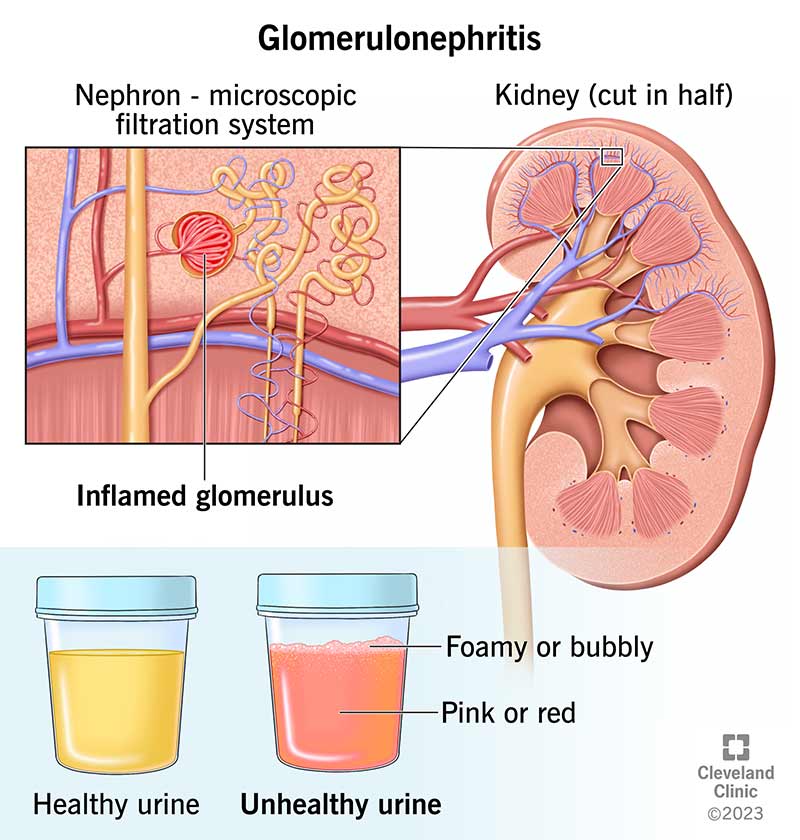
Pain located just below the ribcage on either side of the spine may indicate kidney involvement. Unlike muscular back pain, kidney-related discomfort:
-
Feels deeper and more internal
-
Does not improve significantly with posture changes
-
May radiate toward the abdomen or groin
-
Can be accompanied by fever or urinary symptoms
Kidney infections, stones, or inflammation commonly present with flank pain.
2. Changes in the Skin: Rashes, Itching, or Acne-Like Breakouts



The kidneys remove metabolic waste from the bloodstream. When filtration declines, toxins may accumulate, potentially leading to:
-
Persistent itching without obvious cause
-
Dry, flaky skin
-
Acne-like eruptions
-
Unusual rashes
Chronic kidney disease can also disrupt mineral balance, affecting skin integrity.
3. Swelling in the Face, Hands, or Feet


Kidneys regulate sodium and water levels. When they fail to eliminate excess fluid efficiently, swelling (edema) may develop.
Common areas include:
-
Eyelids (especially upon waking)
-
Fingers
-
Ankles
-
Feet
Persistent swelling without clear cause should be evaluated.
4. Changes in Urination
Alterations in urine patterns often reflect kidney dysfunction.
Warning signs include:
-
Foamy urine (possible protein leakage)
-
Blood in the urine
-
Frequent nighttime urination
-
Reduced urine output
-
Dark or cloudy urine
-
Burning sensation while urinating
Proteinuria and hematuria are important diagnostic indicators and require laboratory assessment.
5. Fatigue and Weakness



The kidneys produce erythropoietin, a hormone that stimulates red blood cell production. Reduced kidney function may cause anemia, leading to:
-
Persistent exhaustion
-
Shortness of breath
-
Pale skin
-
Reduced exercise tolerance
Fatigue associated with kidney disease is typically continuous and not relieved by rest.
6. Metallic Taste or Loss of Appetite
When waste products accumulate in the bloodstream (uremia), individuals may experience:
-
Metallic taste in the mouth
-
Bad breath
-
Nausea
-
Decreased appetite
-
Unintended weight loss
These symptoms often appear in more advanced stages but may begin subtly.
7. High Blood Pressure
Hypertension is both a cause and consequence of kidney disease.
Damaged kidneys may struggle to regulate fluid and sodium balance, contributing to elevated blood pressure. Conversely, uncontrolled hypertension can further damage kidney filtration units.
Monitoring blood pressure is essential in kidney health management.
Who Is at Higher Risk?
Risk factors include:
-
Diabetes
-
High blood pressure
-
Family history of kidney disease
-
Cardiovascular disease
-
Obesity
-
Long-term use of certain medications (e.g., NSAIDs)
Individuals with these risk factors should undergo routine kidney function testing.
Diagnostic Evaluation
If kidney dysfunction is suspected, physicians may order:
-
Blood tests (creatinine, eGFR)
-
Urine analysis
-
Imaging studies (ultrasound, CT scan)
-
Blood pressure monitoring
Early-stage kidney disease often presents with mild laboratory abnormalities before severe symptoms develop.
Why Early Detection Matters
Chronic kidney disease progresses gradually. Without intervention, it may lead to:
-
Severe electrolyte imbalance
-
Cardiovascular complications
-
Dialysis dependence
-
Kidney transplantation
However, early management—including blood pressure control, blood sugar regulation, dietary modification, and medication—can significantly slow progression.
When to Seek Medical Care
Consult a healthcare professional if symptoms:
-
Persist for more than several weeks
-
Worsen gradually
-
Are accompanied by fever or severe pain
-
Include blood in the urine
Prompt medical evaluation does not mean assuming the worst—it means protecting long-term health.
Final Thoughts
Kidney disease is often silent but not invisible. Persistent flank pain, skin changes, swelling, urinary abnormalities, fatigue, and appetite disturbances may signal that kidney function is compromised.
Listening to these warning signs and seeking early assessment allows for timely treatment and improved outcomes. The kidneys play a vital role in maintaining internal balance. Protecting them requires awareness, preventive care, and medical guidance when symptoms arise.