5 Unusual Signs in Your Feet That May Signal Kidney Problems
The feet are often overlooked in daily health assessments. Yet, they can reveal important clues about internal organ function—particularly the kidneys. These vital organs regulate fluid balance, remove waste products, maintain electrolyte stability, and support blood pressure control. When kidney function begins to decline, fluid retention and metabolic imbalances frequently manifest in the lower extremities.
Because gravity pulls excess fluid downward, the feet and ankles are often the first places where abnormalities become visible. Recognizing these early signs can lead to timely medical evaluation and improved outcomes.
Below are five unusual foot-related symptoms that may indicate kidney dysfunction.
1. Persistent Swelling (Edema) in the Feet and Ankles

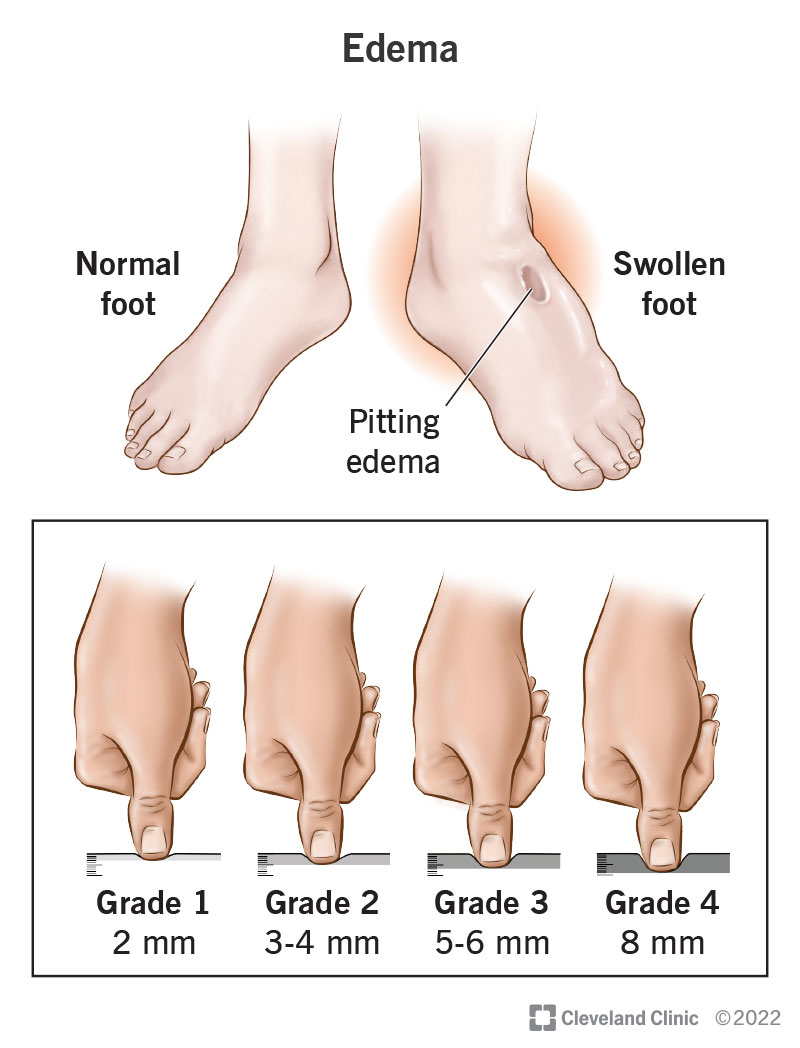

One of the most common signs of kidney impairment is fluid retention, medically referred to as edema.
When the kidneys fail to remove excess sodium and water efficiently, fluid accumulates in tissues. The feet and ankles are particularly vulnerable due to gravity.
Signs of kidney-related edema include:
-
Shoes suddenly feeling tight
-
Noticeable puffiness around the ankles
-
Indentations remaining after pressing the skin (pitting edema)
-
Swelling that worsens toward the end of the day
While swelling can result from heart or liver conditions as well, persistent unexplained edema should prompt evaluation of kidney function.
2. Redness, Warmth, and Severe Foot Pain (Possible Gout)


Kidneys are responsible for filtering uric acid from the bloodstream. When kidney performance declines, uric acid levels may rise, leading to gout—a form of inflammatory arthritis.
Classic gout symptoms include:
-
Sudden, intense pain in the big toe
-
Redness and warmth in the affected joint
-
Swelling and tenderness
-
Pain that worsens at night
Gout attacks can be the first visible sign of impaired uric acid excretion, which may reflect underlying kidney dysfunction.
3. Numbness or Tingling Sensations



Chronic kidney disease can lead to peripheral neuropathy, a condition caused by toxin buildup and metabolic imbalance affecting nerve function.
Symptoms may include:
-
Tingling or “pins and needles” sensation
-
Burning feeling in the feet
-
Decreased sensitivity to touch
-
Muscle weakness
Nerve-related symptoms often develop gradually. Because kidney disease can alter electrolyte levels and allow waste products to accumulate, neurological changes may occur over time.
4. Unusual Skin Changes on the Feet


Kidneys help regulate mineral balance in the body. When this balance is disrupted, skin symptoms may appear.
Possible changes include:
-
Dry, cracked skin
-
Persistent itching without rash
-
Darkened or pale skin tone
-
Thickened skin in advanced cases
In severe kidney failure, a rare condition known as uremic frost may develop, where crystallized waste products accumulate on the skin surface.
Although this is uncommon, chronic itching and dryness without dermatologic cause may warrant further testing.
5. Slow-Healing Wounds or Ulcers


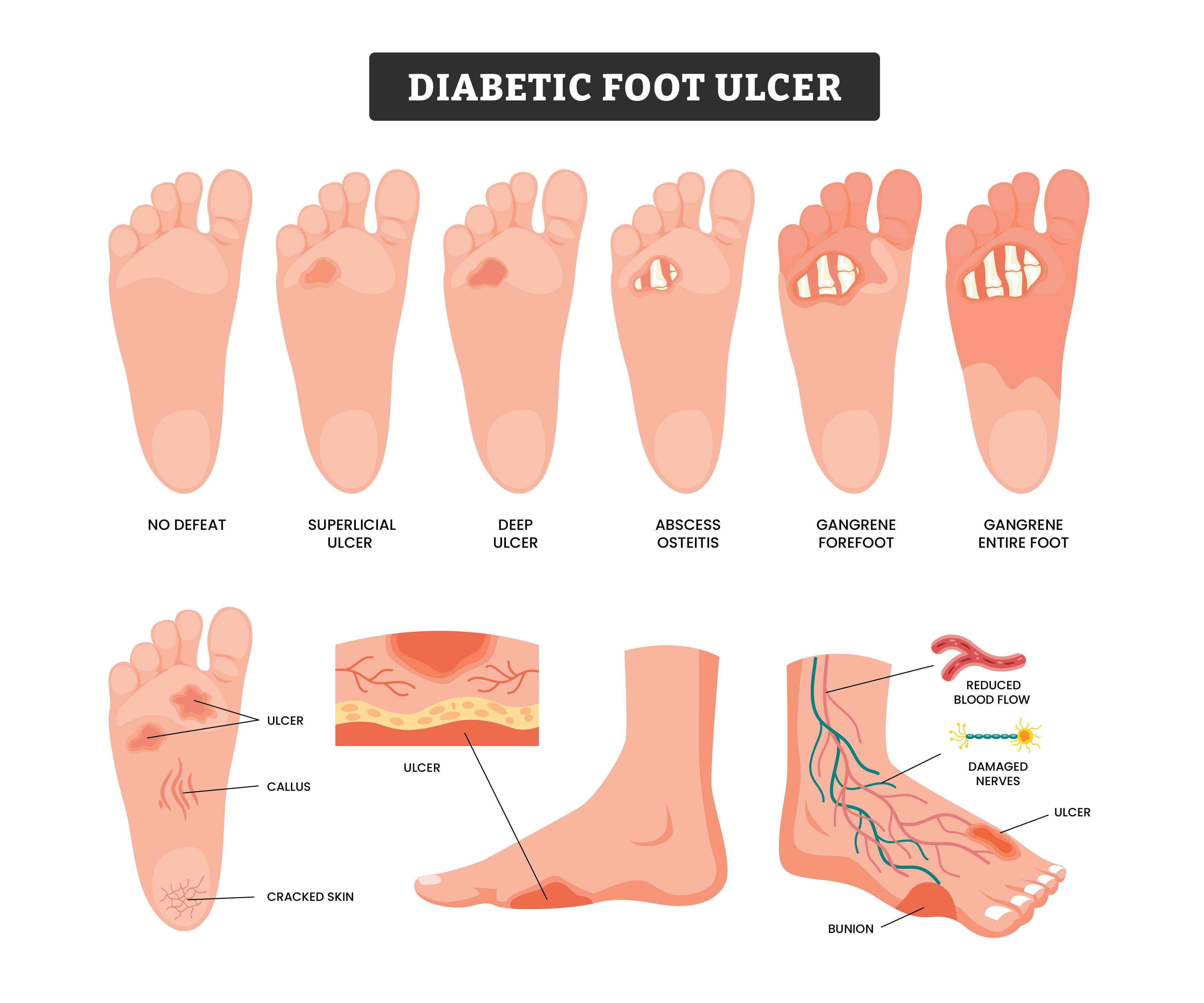
Kidney disease is closely associated with diabetes and vascular complications. Reduced circulation and impaired immune response can delay wound healing.
Warning signs include:
-
Cuts or blisters that heal slowly
-
Persistent redness around wounds
-
Recurrent infections
-
Skin breakdown on pressure areas
Slow healing increases the risk of infection and more serious complications. Early medical intervention is essential.
Why Do Kidney Problems Affect the Feet First?
Several physiological mechanisms explain this connection:
-
Fluid retention accumulates in gravity-dependent areas.
-
Electrolyte imbalances affect nerve and muscle function.
-
Uric acid buildup inflames joints.
-
Poor circulation impairs tissue repair.
Because the feet are distant from the heart and heavily influenced by circulation and fluid dynamics, they often reveal systemic disease earlier than other body regions.
Who Is at Higher Risk?
Individuals with the following conditions should monitor foot changes carefully:
-
Diabetes
-
High blood pressure
-
Cardiovascular disease
-
Family history of kidney disease
-
Obesity
-
Long-term use of certain medications (e.g., NSAIDs)
Routine laboratory testing can detect kidney dysfunction before symptoms become severe.
When Should You Seek Medical Advice?
Consult a healthcare professional if you experience:
-
Persistent swelling lasting more than several days
-
Sudden severe foot pain
-
Numbness or unexplained tingling
-
Skin discoloration or chronic itching
-
Slow-healing wounds
Blood tests measuring creatinine levels and estimated glomerular filtration rate (eGFR), along with urine analysis, can assess kidney function accurately.
Protecting Kidney and Foot Health
Preventive strategies include:
-
Maintaining proper hydration
-
Reducing salt intake
-
Monitoring blood pressure
-
Controlling blood sugar
-
Engaging in regular physical activity
-
Performing daily foot inspections (especially for individuals with diabetes)
Early intervention significantly reduces the risk of progression to advanced kidney disease.
Final Thoughts
The body often communicates internal imbalance through external signs. Swollen ankles, painful joints, numbness, dry skin, and delayed wound healing are not merely cosmetic or minor concerns—they may reflect deeper systemic issues.
Feet may seem distant from kidney function, yet they frequently reveal early warning signals. Paying attention to subtle changes and seeking timely medical evaluation can preserve kidney health and prevent serious complications.
Ignoring these signs allows silent damage to progress. Awareness, vigilance, and prev