In many parts of the world, sleeping on a raised bed with a thick mattress is considered standard. However, in Japan, sleeping on the floor remains a long-standing and respected practice. This custom, centered around the use of a futon placed on tatami mats, reflects a unique blend of cultural heritage, spatial efficiency, and practical living philosophy.
Far from being outdated, floor sleeping continues to be common in modern Japanese households. Its persistence reveals how tradition and functionality can coexist in contemporary society.
Historical Foundations of Floor Sleeping
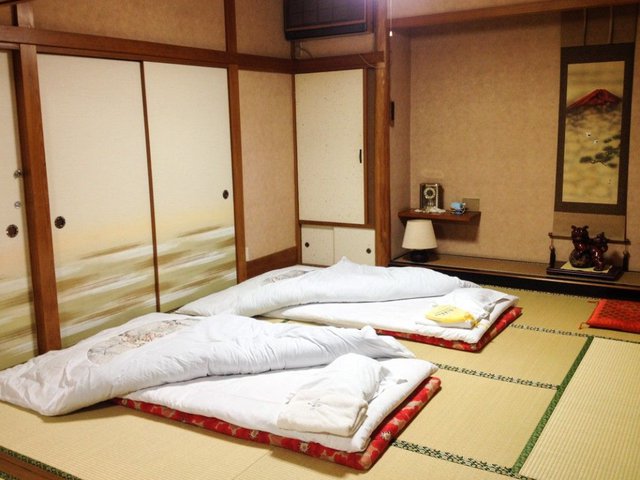
Traditional Japanese homes were designed differently from Western-style houses. Instead of fixed bedrooms filled with large furniture, rooms were often multi-purpose spaces. The flooring was covered with tatami mats—woven straw mats that provide natural insulation and slight cushioning.
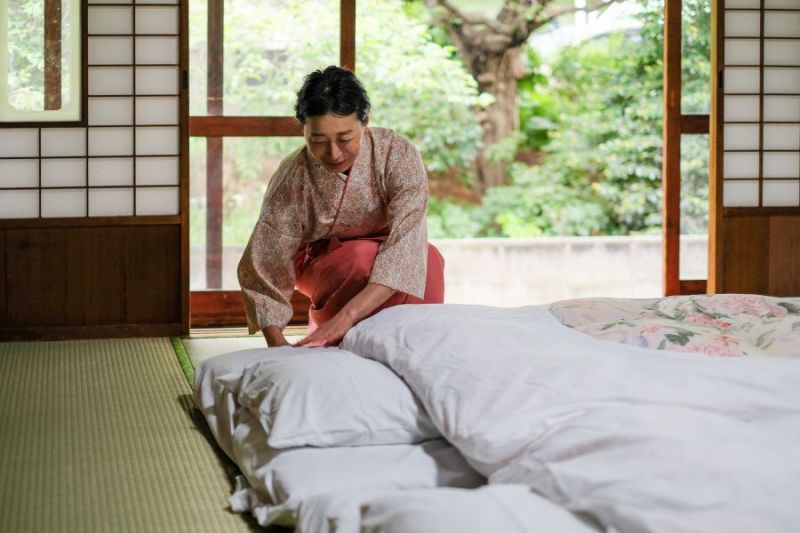
Rather than dedicating a room exclusively for sleeping, families would lay out futons at night and fold them away during the day. This flexible system allowed rooms to transform easily from sleeping areas into living rooms, dining areas, or workspaces.
The custom developed not only from architectural design but also from cultural aesthetics that emphasize minimalism and adaptability.
The Role of the Futon and Tatami
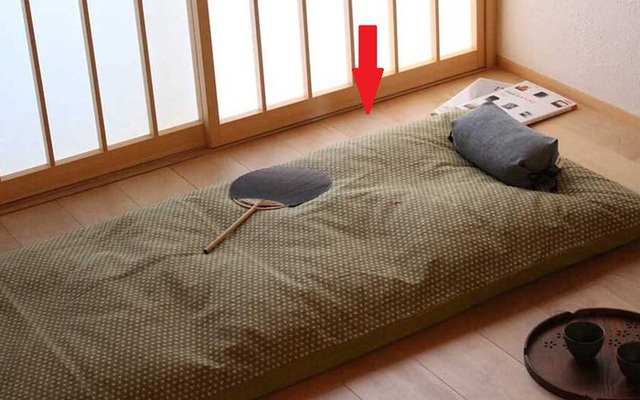
The traditional Japanese sleeping arrangement involves two main elements:
-
Futon: A foldable mattress, usually filled with cotton or modern synthetic fibers.
-
Tatami mat: A firm yet slightly padded woven floor covering made from rice straw and rush grass.
The combination provides enough comfort while maintaining firm support. Unlike thick spring mattresses, futons can be folded and stored in closets during the day, preserving space and maintaining order.
This design supports one of Japan’s core lifestyle principles: simplicity and efficient use of space.
Practical Advantages in Modern Living
1. Space Efficiency
Urban Japanese apartments are often compact. Floor sleeping allows residents to maximize usable space. Instead of dedicating square footage to a bed frame, the same area can serve multiple functions throughout the day.
This flexibility is especially valuable in cities like Tokyo, where living spaces are typically smaller.
2. Easy Maintenance and Cleanliness
Futons can be aired out regularly, which helps prevent moisture buildup. Traditionally, they are hung outside in sunlight to dry and maintain freshness.
This routine:
-
Reduces mold growth
-
Improves hygiene
-
Extends mattress lifespan
Tatami mats also regulate humidity naturally, contributing to indoor comfort.
3. Firm Support for the Body
Some people find that sleeping on a firmer surface helps maintain spinal alignment. While individual preferences vary, firmer sleeping surfaces may reduce certain types of back discomfort for some individuals.
However, this benefit depends on body type, sleeping position, and overall health. It is not universally superior to mattress sleeping but can be comfortable when adapted properly.
Cultural Values Reflected in Floor Sleeping
Japanese culture places strong emphasis on minimalism, order, and harmony with one’s environment. Floor sleeping aligns with these values.
1. Minimalism
Large bed frames and bulky furniture are minimized. Living spaces feel open, uncluttered, and calm.
2. Adaptability
Rooms are not permanently assigned to a single function. The ability to rearrange space easily reflects a flexible approach to daily life.
3. Closeness to Nature
Tatami mats are made from natural materials. The practice creates a subtle connection to traditional craftsmanship and environmental balance.
Social and Family Aspects
In traditional households, family members might sleep side by side on futons laid across the same room. This arrangement can strengthen familial bonds, especially between parents and young children.
While modern lifestyles have changed, many families still value this shared sleeping space.
Health and Environmental Considerations
Japan’s humid climate influences sleeping habits. Elevated beds can trap moisture underneath, potentially encouraging mold growth. Floor sleeping on breathable tatami with regularly aired futons helps manage humidity.
Additionally, futons are lightweight and require fewer materials than large mattress systems, aligning with sustainable living practices.
Is Floor Sleeping Common Among Younger Generations?
While Western-style beds have become more common in Japan, especially in urban areas, many households continue to use futons. Some people alternate between bed frames and futons depending on space and preference.
Hotels in Japan also often provide both options, reflecting respect for traditional customs alongside modern convenience.
Misconceptions About Floor Sleeping
Some assume sleeping on the floor must be uncomfortable. However, tatami and futon combinations provide more cushioning than bare floors. Over time, many people adapt to the firmness.
It is also important to clarify that traditional floor sleeping does not mean sleeping directly on hard wood or tile surfaces.

Final Thoughts
Floor sleeping in Japan endures because it represents more than just a sleeping arrangement. It reflects centuries of architectural design, cultural values, environmental adaptation, and practical efficiency.
By combining flexibility, minimalism, and hygiene, this tradition continues to serve modern needs. While not universally suitable for everyone, it demonstrates how lifestyle habits rooted in history can remain functional in contemporary life.
In Japan, sleeping on the floor is not a symbol of lacking comfort. It is a conscious choice shaped by culture, practicality, and respect for space.