Warning Signs That Cancer May Be Developing in the Body
Cancer is not a single disease but a broad group of disorders characterized by uncontrolled cell growth. In its earliest stages, cancer often develops quietly, without dramatic symptoms. Many early warning signs are subtle and easily mistaken for common illnesses, stress, or aging.
However, the body frequently provides signals long before the disease progresses to advanced stages. Recognizing these early changes and seeking timely medical evaluation can significantly improve treatment outcomes.
Below are important warning signs that may indicate abnormal cell growth occurring somewhere in the body.
1. Unexplained Weight Loss
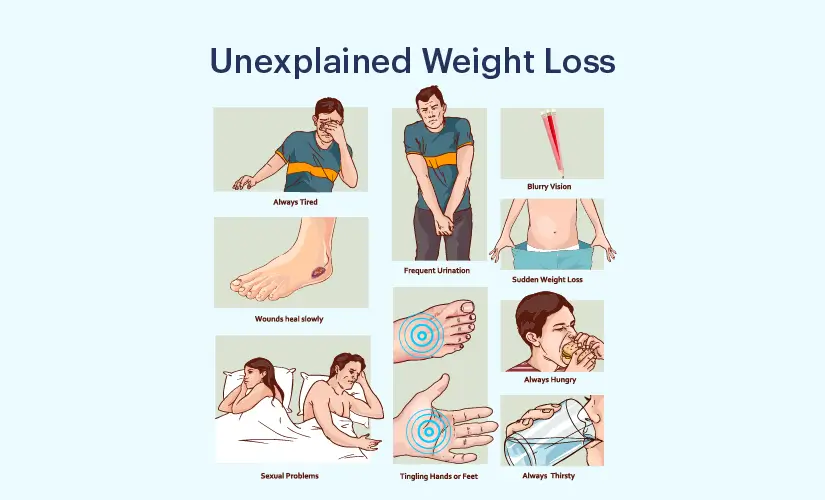


Losing weight without changes in diet or physical activity can be an early indicator of several cancers, particularly those affecting the pancreas, stomach, esophagus, or lungs.
Medical professionals often consider unintentional weight loss of 5% or more of body weight within six to twelve months significant.
Why it happens:
-
Tumors may alter metabolism
-
Cancer cells consume high levels of energy
-
Loss of appetite may occur
-
Digestive disruption interferes with nutrient absorption
Persistent, unexplained weight loss warrants medical investigation.
2. Persistent Fatigue That Does Not Improve With Rest

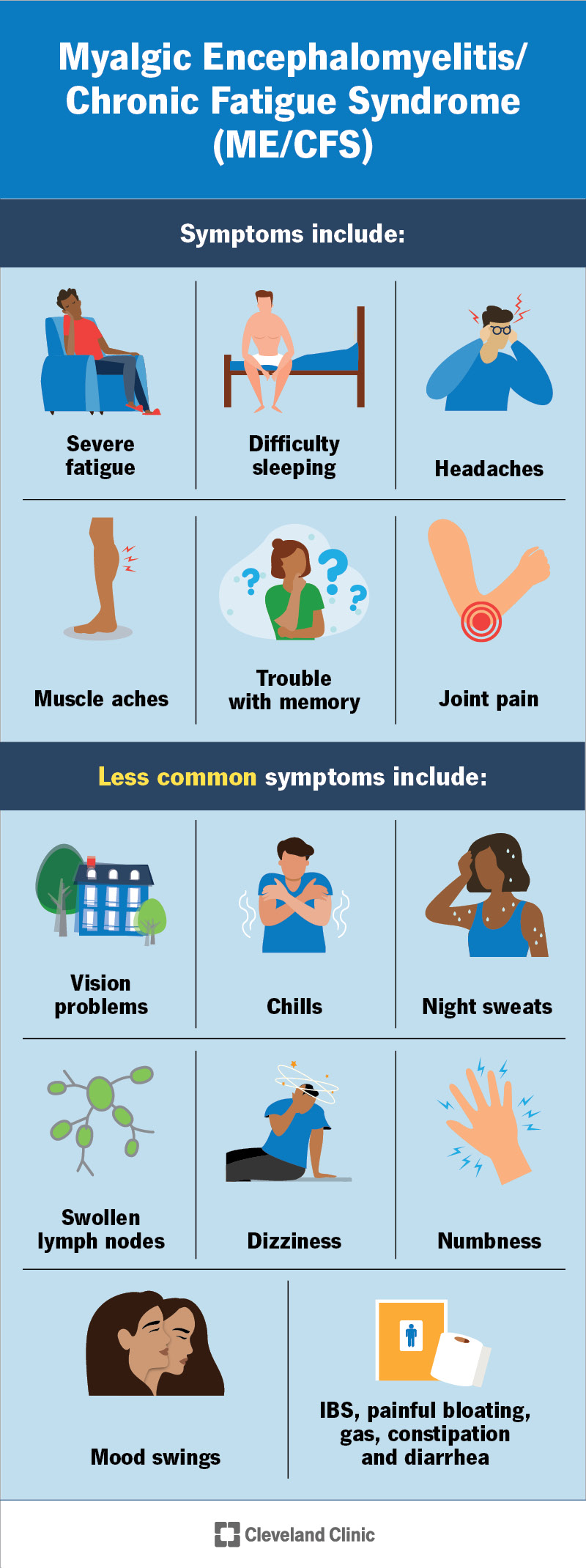

Cancer-related fatigue differs from normal tiredness. It is:
-
Persistent
-
Not relieved by sleep
-
Disproportionate to activity level
-
Often accompanied by weakness
This fatigue may result from anemia, immune system activation, or the body’s energy being diverted to support tumor growth.
If exhaustion interferes with daily function and has no clear explanation, further evaluation is appropriate.
3. Persistent Pain Without Clear Cause

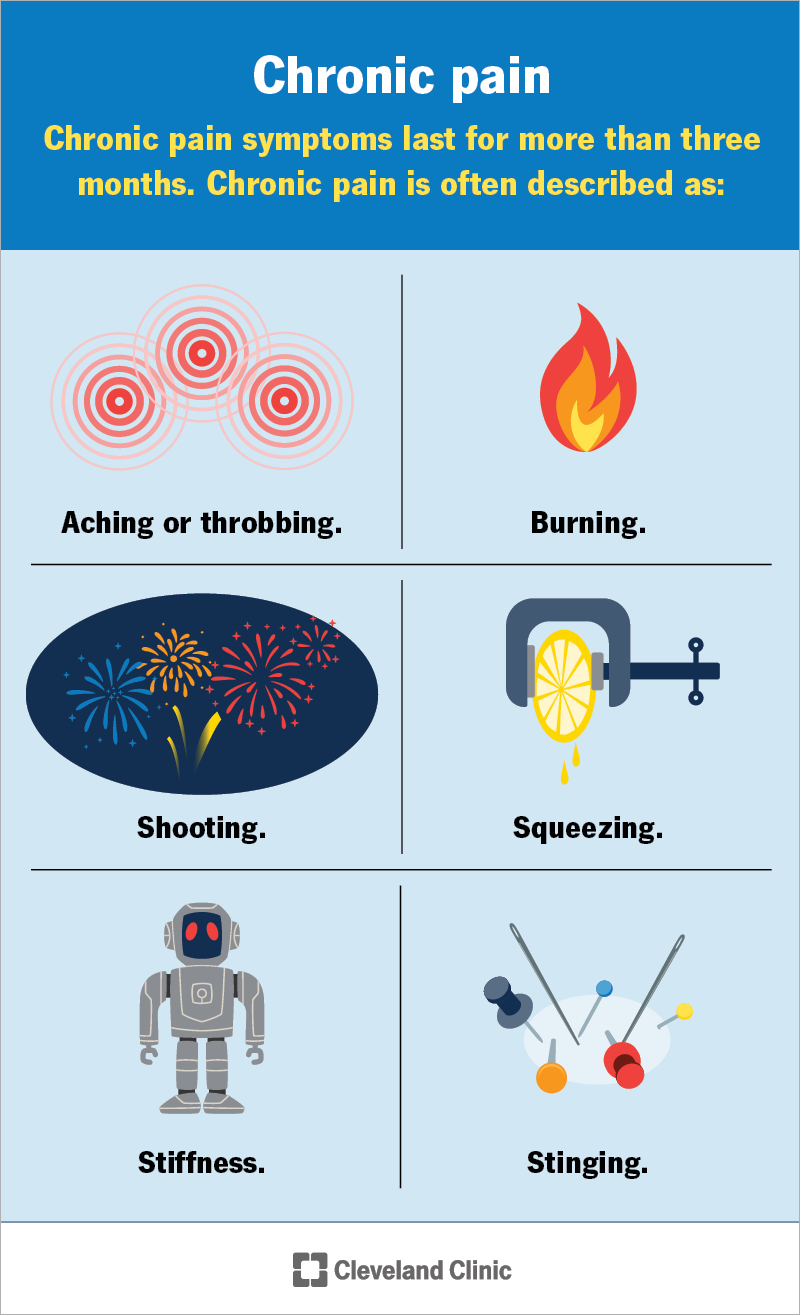

Pain can be an early or late symptom depending on the type and location of cancer.
Examples include:
-
Ongoing headaches
-
Abdominal pain
-
Bone pain
-
Chest discomfort
-
Pelvic pain
Pain that persists for several weeks and does not respond to typical treatments should not be ignored.
4. Changes in Skin Appearance


Skin changes are among the most visible warning signs.
Watch for:
-
New moles
-
Changes in size, shape, or color of existing moles
-
Irregular borders
-
Bleeding or non-healing sores
-
Yellowing (jaundice)
-
Darkened patches
The ABCDE rule for melanoma is commonly used:
-
Asymmetry
-
Border irregularity
-
Color variation
-
Diameter enlargement
-
Evolving over time
Any suspicious skin lesion should be evaluated by a healthcare professional.
5. Persistent Cough or Hoarseness



A cough lasting more than three weeks, especially if accompanied by blood or chest pain, may indicate lung or throat pathology.
Hoarseness that persists without infection could signal vocal cord or laryngeal involvement.
Chronic respiratory symptoms require assessment, particularly in individuals with smoking history.
6. Changes in Bowel or Bladder Habits
Alterations such as:
-
Persistent diarrhea or constipation
-
Blood in stool
-
Changes in stool caliber
-
Frequent urination
-
Painful urination
-
Blood in urine
may indicate gastrointestinal or urinary tract malignancies.
Any ongoing abnormality lasting more than several weeks should be discussed with a healthcare provider.
7. Difficulty Swallowing or Indigestion


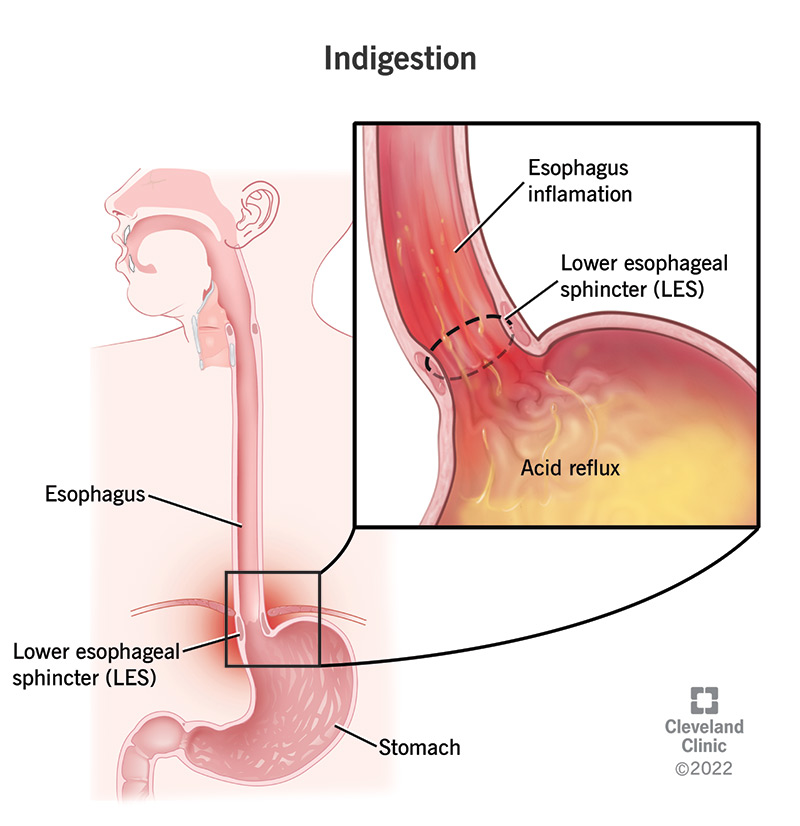
Persistent swallowing difficulty or chronic indigestion that does not respond to treatment may indicate esophageal or stomach abnormalities.
Progressive worsening of symptoms is particularly concerning.
8. Unusual Bleeding or Discharge
Unexpected bleeding may include:
-
Vaginal bleeding outside menstrual cycle
-
Postmenopausal bleeding
-
Blood in sputum
-
Blood in stool or urine
-
Nipple discharge
Unexplained bleeding always warrants prompt medical evaluation.
9. Lumps or Thickening in Tissue
A painless lump in areas such as the breast, neck, testicles, or lymph nodes should be examined.
Not all lumps are malignant, but early detection significantly improves outcomes if cancer is present.
Why Early Detection Is Critical
Cancer is generally more treatable when diagnosed in early stages. Treatment options may include:
-
Surgery
-
Chemotherapy
-
Radiation therapy
-
Targeted therapy
-
Immunotherapy
The effectiveness of these treatments often depends on how early the disease is identified.
Regular screenings—such as mammograms, colonoscopies, Pap tests, and low-dose CT scans for high-risk individuals—play a vital role in early detection.
When to Seek Medical Attention
Consult a healthcare professional if symptoms:
-
Persist beyond two to three weeks
-
Gradually worsen
-
Interfere with daily activities
-
Have no clear explanation
Timely evaluation does not mean assuming the worst. Many symptoms are caused by benign conditions. However, persistent unexplained changes deserve medical attention.
Final Thoughts
Cancer rarely appears overnight. The body often sends subtle signals long before advanced disease develops. Persistent fatigue, unexplained weight loss, unusual bleeding, chronic pain, skin changes, or lasting cough should not be dismissed as trivial.
Awareness combined with regular medical screening forms the foundation of effective prevention and early intervention.
Listening to the body carefully—and responding appropriately—remains one of the most powerful tools in protecting long-term health.