Unusual Body Changes That May Signal Your Kidneys Are Weakening
The kidneys are often described as the body’s silent guardians. These two bean-shaped organs, located just below the ribcage on either side of the spine, work tirelessly to filter waste, balance fluids, regulate electrolytes, and support blood pressure control. Yet when kidney function begins to decline, the warning signs can be subtle, confusing, and easy to ignore.
Many people dismiss early symptoms as fatigue, stress, or minor health fluctuations. However, recognizing unusual changes in the body can make a crucial difference. Early detection of kidney problems significantly improves treatment outcomes and prevents long-term complications.
Let’s explore the most important signs that may indicate your kidneys are weakening—and why you should never overlook them.
1. Persistent Lower Back Pain


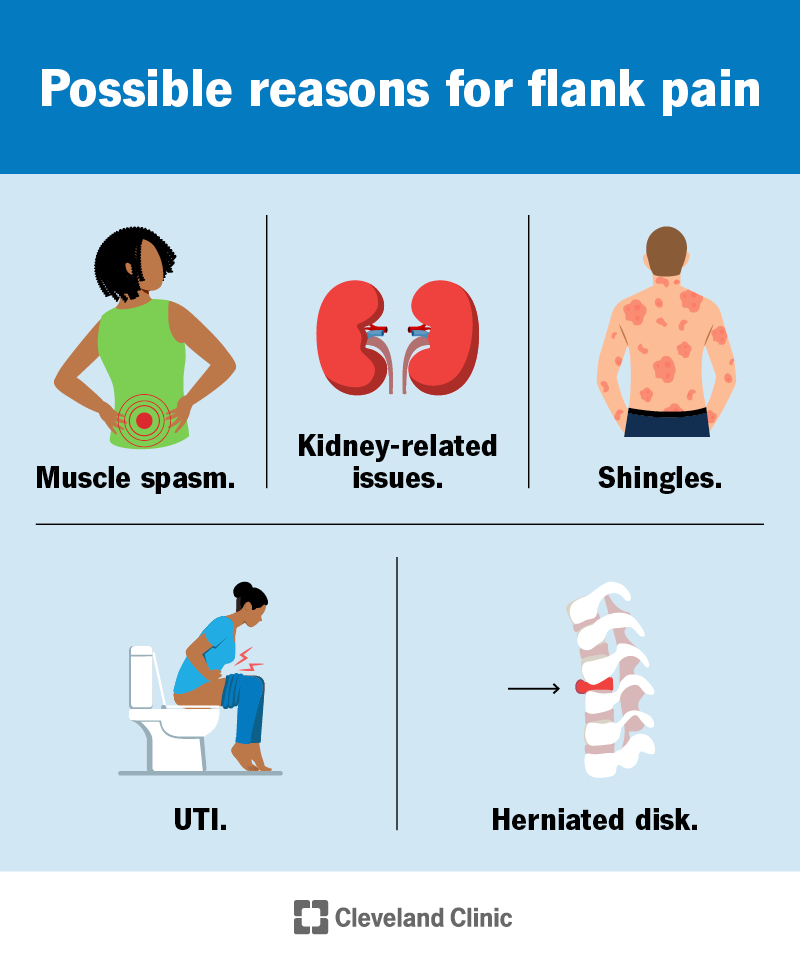
One of the most recognizable warning signs is pain in the lower back or flank area. Kidney-related discomfort typically occurs just below the rib cage and may feel:
-
Deep and dull
-
Sharp and stabbing
-
Persistent rather than movement-related
Unlike muscular back pain, kidney pain does not usually improve with stretching or changing posture. Infections, kidney stones, or inflammation may cause this discomfort.
If the pain is accompanied by fever, chills, nausea, or urinary changes, medical evaluation is strongly advised.
2. Changes in Urination Patterns
Urination is one of the clearest indicators of kidney health. Because the kidneys produce urine, any dysfunction may alter frequency, color, or consistency.
Be alert to:
-
Frequent urination, especially at night
-
Foamy or bubbly urine (may indicate protein leakage)
-
Dark, cloudy, or bloody urine
-
Decreased urine output
-
Burning or discomfort while urinating
Protein in the urine (proteinuria) is a particularly serious red flag. It suggests the kidney’s filtering units are damaged and allowing protein to escape into the urine.
Ignoring urinary changes can delay diagnosis of chronic kidney disease.
3. Swelling in the Face, Hands, or Feet


The kidneys regulate fluid balance in the body. When they cannot remove excess fluid effectively, swelling—known medically as edema—may develop.
Common areas affected include:
-
Ankles and feet
-
Hands
-
Eyelids (especially in the morning)
-
Face
Swelling may worsen as the day progresses. Shoes may feel tight. Rings may become difficult to remove.
This occurs because impaired kidneys struggle to eliminate sodium and excess fluid, leading to accumulation in body tissues.
4. Extreme Fatigue and Weakness
Healthy kidneys produce a hormone called erythropoietin, which stimulates red blood cell production. When kidney function declines, fewer red blood cells are produced, leading to anemia.
Symptoms may include:
-
Constant tiredness
-
Shortness of breath
-
Dizziness
-
Pale skin
Fatigue caused by kidney-related anemia often feels overwhelming and persistent—not just normal tiredness after a long day.
If unexplained exhaustion persists, laboratory tests may be necessary to assess kidney performance and hemoglobin levels.
5. Metallic Taste or Loss of Appetite



As waste products accumulate in the bloodstream—a condition known as uremia—digestive and taste disturbances may occur.
Individuals may experience:
-
A metallic taste in the mouth
-
Bad breath with an ammonia-like odor
-
Nausea or vomiting
-
Reduced appetite
-
Unintended weight loss
When toxins are not filtered properly, they circulate throughout the body, affecting multiple systems.
These symptoms are often late-stage indicators and should not be ignored.
6. Persistent Itching and Dry Skin
The kidneys help maintain mineral balance in the blood. When kidney function declines, imbalances in calcium and phosphorus may cause severe itching.
This itching:
-
May be widespread
-
Can worsen at night
-
Is not necessarily associated with a rash
Dry, irritated skin can result from both toxin buildup and altered sweat gland function.
Chronic itching without a clear dermatological cause warrants further investigation.
7. Shortness of Breath
Breathlessness may occur for two major reasons related to kidney problems:
-
Fluid accumulation in the lungs
-
Anemia reducing oxygen delivery
When excess fluid builds up due to impaired filtration, it may leak into lung tissues, making breathing difficult.
If shortness of breath occurs alongside swelling or fatigue, urgent medical assessment is essential.
8. Difficulty Concentrating
Toxin buildup and anemia can also affect brain function.
Possible cognitive symptoms include:
-
Trouble focusing
-
Memory problems
-
Mental fog
-
Decreased alertness
Reduced oxygen supply and waste accumulation interfere with neurological clarity.
Many patients report feeling “not quite themselves” long before a formal kidney diagnosis.
Risk Factors That Increase Vulnerability
Some individuals are at higher risk for kidney disease, including those with:
-
Diabetes
-
High blood pressure
-
Cardiovascular disease
-
Family history of kidney disorders
-
Long-term use of certain medications
-
Autoimmune diseases
Routine screening is particularly important for these groups.
When Should You See a Doctor?
Seek medical evaluation if you experience:
-
Persistent swelling
-
Changes in urine
-
Ongoing fatigue
-
Back pain near the kidneys
-
Nausea with unexplained cause
Blood tests (such as creatinine and estimated glomerular filtration rate) and urine tests can detect kidney dysfunction early.
Early intervention may slow progression significantly.
Protecting Your Kidney Health
Prevention and early management are key. Consider these protective strategies:
-
Stay adequately hydrated
-
Monitor blood pressure
-
Control blood sugar levels
-
Limit excessive salt intake
-
Avoid unnecessary use of painkillers
-
Maintain a balanced diet
-
Exercise regularly
-
Schedule routine health screenings
Kidney damage often develops gradually. The earlier it is detected, the more effectively it can be managed.
Final Thoughts
The body frequently sends signals long before a serious medical crisis occurs. Lower back pain, swelling, unusual urination, fatigue, and appetite changes are not random inconveniences—they may be warning signs.
Kidney disease is often called a “silent condition” because symptoms can remain mild until significant damage has occurred. Listening carefully to subtle bodily changes and seeking professional evaluation when needed can protect long-term health.
Your kidneys work every minute of every day to keep your internal environment stable and clean. Paying attention to unusual changes is not overreacting—it is proactive care.
When it comes to kidney health, awareness is not optional. It is essential.