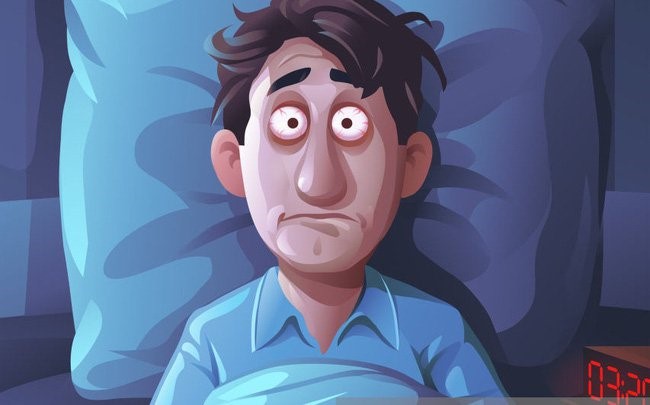
Waking up occasionally during the night is normal. Sleep cycles naturally shift between light and deep stages, and brief awakenings often go unnoticed. However, if you consistently wake up between 3 and 4 AM and struggle to fall back asleep, it may be worth paying closer attention.
This specific time window often coincides with hormonal shifts, changes in body temperature, and fluctuations in stress hormones. While lifestyle factors such as stress or late caffeine intake are common causes, persistent early-morning awakenings can sometimes reflect underlying health concerns.
Below are four health issues that may contribute to waking up regularly between 3 and 4 AM.

1. Stress, Anxiety, and Cortisol Imbalance
One of the most common reasons for early-morning awakenings is stress.
Around 3–4 AM, the body begins preparing to wake up by gradually increasing cortisol levels. Cortisol is a hormone that helps regulate alertness and energy. If stress levels are high, cortisol may spike too early or excessively, causing you to wake abruptly.
Signs that stress may be involved include:
-
Racing thoughts upon waking
-
Increased heart rate
-
Difficulty falling back asleep
-
Waking with a sense of worry or unease
Chronic stress activates the sympathetic nervous system (the “fight-or-flight” response), which can disrupt sleep continuity.
Lifestyle factors that contribute include:
-
High workload
-
Emotional strain
-
Excessive screen time before bed
-
Irregular sleep schedules
Managing stress through relaxation techniques, breathing exercises, or structured sleep routines can often improve early awakenings.
2. Blood Sugar Fluctuations
Blood glucose levels naturally fluctuate during the night. If blood sugar drops too low, the body responds by releasing adrenaline and cortisol to stabilize it. This hormonal surge can wake you up.
Possible signs of nighttime blood sugar instability:
-
Waking with sweating
-
Feeling shaky or restless
-
Hunger during the night
-
Morning headaches
People with diabetes, insulin resistance, or irregular eating patterns may be more prone to these fluctuations.
Late-night heavy carbohydrate meals, alcohol consumption, or skipping dinner can contribute to unstable nighttime glucose levels.
Balancing evening meals with protein, fiber, and healthy fats may help reduce abrupt awakenings.

3. Sleep Apnea or Breathing Disorders
Sleep apnea is a condition where breathing temporarily stops during sleep. These pauses can trigger micro-awakenings, sometimes clustering in the early morning hours.
Symptoms of sleep apnea include:
-
Loud snoring
-
Gasping or choking during sleep
-
Morning dry mouth
-
Daytime fatigue despite adequate sleep time
-
Morning headaches
Between 3 and 4 AM, REM sleep becomes more prominent. During REM sleep, muscle tone decreases, which can worsen airway collapse in individuals with sleep apnea.
Because these awakenings may be subtle, some people are unaware of the breathing disruption until evaluated by a healthcare provider.
If frequent early waking is accompanied by daytime exhaustion, medical evaluation is recommended.
4. Depression and Mood Disorders
Persistent early-morning awakening is a classic symptom associated with certain forms of depression.
Unlike insomnia caused by stress, depression-related awakenings often involve:
-
Waking earlier than intended
-
Inability to fall back asleep
-
Low mood upon waking
-
Reduced interest in daily activities
-
Fatigue and lack of motivation
Sleep architecture changes in mood disorders. The timing and duration of REM sleep can shift, leading to early awakenings.
If early waking is accompanied by emotional symptoms lasting more than two weeks, professional support is important.
Additional Factors That May Contribute
Beyond these four conditions, other contributors include:
-
Hormonal changes (such as menopause)
-
Chronic pain
-
Gastroesophageal reflux
-
Excessive caffeine intake
-
Irregular sleep-wake cycles
-
Environmental disturbances
The 3–4 AM window is particularly sensitive because it represents a transition between deep sleep and lighter sleep stages.
When Should You Seek Medical Advice?
Occasional early waking is common. However, consider consulting a healthcare provider if:
-
The pattern persists for several weeks
-
Sleep disruption affects daytime functioning
-
You experience breathing difficulties during sleep
-
Mood changes accompany insomnia
-
You wake with chest pain or severe discomfort
Early evaluation can help identify manageable causes.
Practical Steps to Improve Early-Morning Sleep
To reduce repeated awakenings:
-
Maintain a consistent sleep schedule
-
Avoid caffeine 6–8 hours before bedtime
-
Limit alcohol intake
-
Keep the bedroom dark and cool
-
Avoid heavy meals late at night
-
Practice relaxation techniques before sleep
-
Reduce screen exposure at least one hour before bed
Small changes in routine can significantly improve sleep stability.
Final Thoughts
Waking up between 3 and 4 AM is not automatically a sign of illness. However, when it becomes frequent and persistent, it may signal stress imbalance, blood sugar fluctuations, breathing disorders, or mood-related conditions.
Sleep is one of the body’s most sensitive health indicators. Paying attention to patterns — not just isolated events — can provide valuable insight into overall well-being.
If early-morning awakenings continue despite lifestyle adjustments, seeking medical guidance can help uncover the root cause and restore restful sleep.