Many people dismiss leg discomfort at night as simple fatigue or muscle cramps. However, persistent pain, numbness, or unusual sensations in the legs and feet after dark can sometimes signal a more serious issue: blocked arteries. Reduced blood flow to the lower limbs — commonly caused by peripheral artery disease (PAD) — may first become noticeable when the body is at rest.
Recognizing these nighttime warning signs can help prevent serious complications and protect long-term cardiovascular health.
Understanding Blocked Arteries in the Legs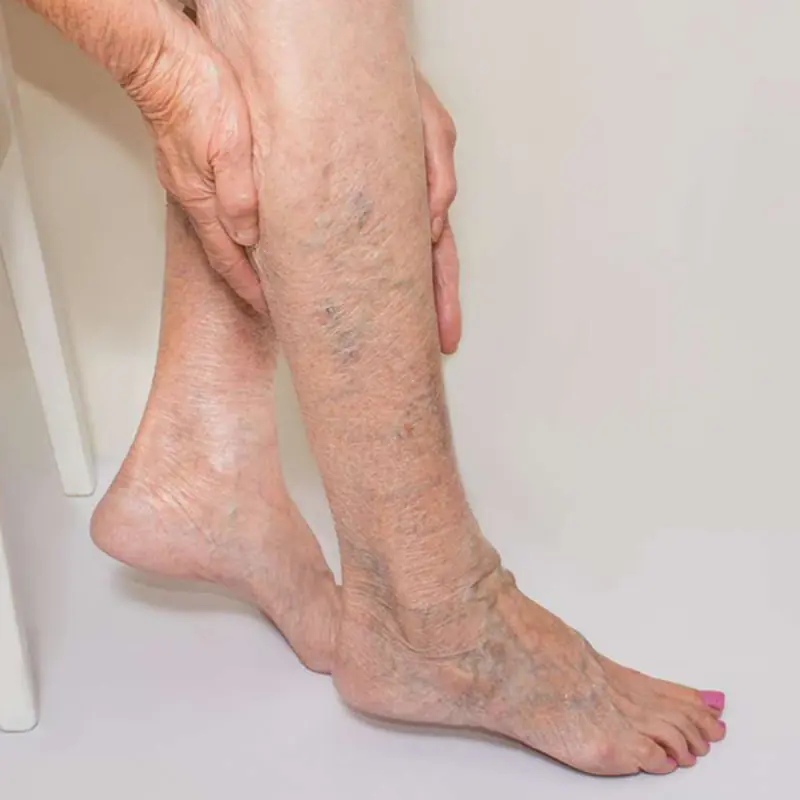
Blocked arteries occur when fatty deposits, known as plaque, build up along the inner walls of blood vessels. This condition, called atherosclerosis, narrows the arteries and restricts blood flow. When it affects the legs, it is referred to as peripheral artery disease.
During the day, movement helps stimulate circulation. At night, when you lie down and your heart rate slows, reduced blood flow may become more noticeable. As a result, symptoms often feel worse in the evening or during sleep.
Below are some common nighttime signs that may indicate reduced circulation in the legs and feet.
1. Burning or Aching Pain at Rest
One of the hallmark symptoms of advanced PAD is rest pain. This discomfort often appears in the toes, feet, or lower legs while lying down. It may feel like burning, throbbing, or deep aching.
The pain occurs because gravity is no longer helping blood reach the feet. Some people find temporary relief by dangling their legs off the side of the bed, allowing gravity to improve circulation. If pain regularly disrupts sleep, it should not be ignored.
2. Numbness or Tingling Sensations
Blocked arteries reduce oxygen delivery to tissues. As a result, nerves in the legs and feet may not function properly, leading to numbness, tingling, or a “pins and needles” feeling.
While occasional tingling can be harmless, persistent or worsening symptoms — especially when combined with other signs of poor circulation — warrant medical evaluation.
3. Cold Feet or Noticeable Temperature Changes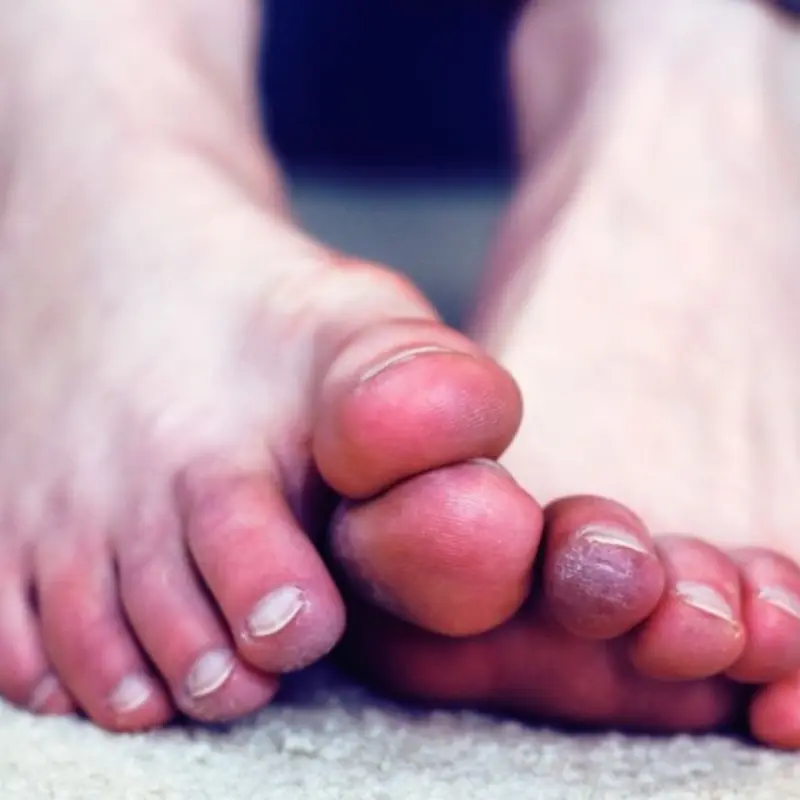
Poor blood flow can make the feet feel unusually cold compared to the rest of the body. You may notice that one foot feels colder than the other, or that your feet remain cold even under blankets.
Temperature differences may indicate that blood is not reaching certain areas efficiently. Over time, chronically reduced circulation can damage tissues.
4. Changes in Skin Color
Inadequate blood supply can cause the skin of the feet or toes to appear pale, bluish, or slightly purplish, especially when elevated. When you lower your legs, the skin may turn reddish due to sudden blood flow returning to the area.
These color changes are important warning signs and should be assessed by a healthcare professional.
5. Slow-Healing Sores or Wounds
Cuts, blisters, or minor injuries on the feet that heal slowly — or not at all — may indicate insufficient blood supply. Healthy circulation is essential for wound healing. Without it, infections can develop more easily.
This symptom is particularly concerning for people with diabetes, who are already at increased risk of circulation problems.
Who Is at Risk?
Certain factors increase the likelihood of developing blocked arteries in the legs, including:
-
Smoking
-
Diabetes
-
High blood pressure
-
High cholesterol
-
Obesity
-
Sedentary lifestyle
-
Family history of cardiovascular disease
Age is also a significant factor, with risk rising after age 50.
Why Nighttime Symptoms Matter
Nighttime pain often signals more advanced artery narrowing. When symptoms occur at rest, it suggests that blood flow is severely restricted. Left untreated, PAD can lead to serious complications such as tissue damage, infections, and in extreme cases, limb loss.
Moreover, blocked arteries in the legs may indicate widespread atherosclerosis, which increases the risk of heart attack and stroke. In this way, leg symptoms can serve as an early warning of broader cardiovascular disease.
When to See a Doctor
Seek medical attention if you experience:
-
Persistent leg or foot pain at night
-
Numbness that does not improve
-
Noticeable skin color changes
-
Coldness in one or both feet
-
Non-healing wounds
A doctor may perform a physical exam and recommend simple, non-invasive tests to measure blood flow in the legs.
Protecting Your Circulation
Lifestyle changes can significantly reduce the risk of blocked arteries. Quitting smoking, maintaining healthy blood sugar and cholesterol levels, exercising regularly, and following a heart-healthy diet all support better circulation.
Early detection is key. Paying attention to unusual nighttime symptoms may help identify a problem before it becomes severe.