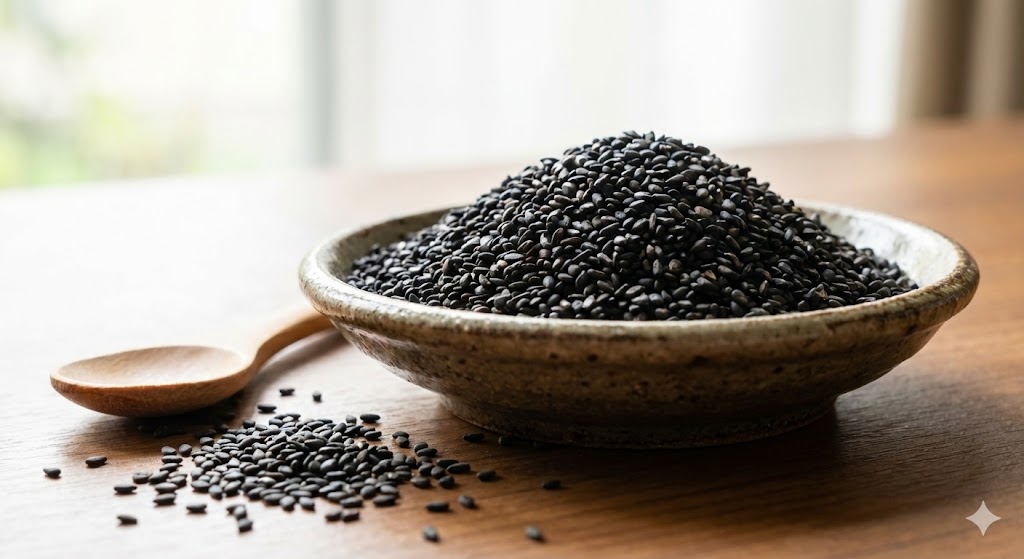
Black sesame seeds may be tiny, but they are nutritionally dense and deeply valued in many traditional diets. Used for centuries in Asian cuisine and herbal practices, black sesame (Sesamum indicum) is often associated with longevity, vitality, and internal nourishment. While no single food guarantees perfect health, incorporating black sesame regularly into a balanced diet may offer several meaningful benefits.
Below are five powerful ways black sesame can support your health when consumed consistently and in moderation.

1. Supports Bone Strength and Mineral Balance
Black sesame seeds are rich in essential minerals that play a central role in bone health, including:
-
Calcium
-
Magnesium
-
Phosphorus
-
Zinc
Calcium is widely recognized as a building block for strong bones, but it works in combination with magnesium and phosphorus to maintain proper bone structure. Magnesium also supports muscle function and helps regulate calcium balance within the body.
Regular consumption of black sesame may contribute to maintaining bone density, especially when combined with adequate vitamin D and weight-bearing exercise.
For individuals who consume limited dairy products, black sesame can be a valuable plant-based mineral source.
2. Promotes Heart Health
Black sesame contains healthy fats, primarily polyunsaturated and monounsaturated fatty acids. These fats help support cardiovascular health by:
-
Contributing to balanced cholesterol levels
-
Supporting flexible blood vessels
-
Reducing oxidative stress
In addition, black sesame contains lignans such as sesamin and sesamolin. These natural plant compounds have antioxidant properties that may help reduce inflammation and protect blood vessels from damage.
When included as part of a diet rich in vegetables, whole grains, and healthy fats, black sesame can play a supportive role in maintaining heart health.
3. Provides Antioxidant Protection
Oxidative stress occurs when free radicals accumulate in the body, potentially damaging cells and contributing to aging and chronic conditions.
Black sesame seeds are rich in antioxidants, including:
-
Vitamin E
-
Lignans
-
Phenolic compounds
These antioxidants help neutralize free radicals and support cellular protection. Over time, maintaining a diet high in antioxidant-rich foods may contribute to healthier aging and reduced inflammatory stress.
While antioxidants alone do not prevent disease, they form part of a comprehensive nutritional approach to long-term wellness.

4. Supports Digestive Health
Black sesame seeds contain dietary fiber, which plays a crucial role in maintaining digestive balance.
Fiber supports:
-
Regular bowel movements
-
Healthy gut bacteria
-
Reduced constipation
-
Stable blood sugar levels
In addition to fiber, the natural oils in black sesame may gently lubricate the digestive tract, contributing to smoother digestion.
However, moderation is key. Excessive intake may cause digestive discomfort in some individuals.
5. Contributes to Hair and Skin Vitality
In traditional practices, black sesame has long been associated with supporting hair and skin health.
From a nutritional standpoint, this may be due to its content of:
-
Healthy fats
-
Iron
-
Zinc
-
B vitamins
-
Antioxidants
Iron supports oxygen delivery to tissues, including hair follicles. Zinc plays a role in cell repair and immune function. Healthy fats help maintain skin elasticity and moisture.
Although black sesame is not a direct treatment for hair loss or skin conditions, its nutrient profile may contribute to overall vitality when consumed as part of a well-rounded diet.

How to Incorporate Black Sesame into Your Diet
Black sesame can be added to meals in simple ways:
-
Sprinkled over salads or oatmeal
-
Blended into smoothies
-
Mixed into yogurt
-
Used in baked goods
-
Added to stir-fries or rice dishes
-
Ground into paste (black sesame butter)
Lightly toasting the seeds can enhance flavor, but excessive heat may reduce certain nutrients.
A small daily portion — about one tablespoon — is generally sufficient to obtain nutritional benefits without excessive calorie intake.
Important Considerations
While black sesame is nutritious, keep in mind:
-
It is calorie-dense due to healthy fat content
-
Individuals with sesame allergies should avoid it
-
Those with kidney issues should monitor mineral intake under medical guidance
As with all foods, balance and variety remain essential.
Final Thoughts
Black sesame seeds offer a combination of minerals, healthy fats, fiber, and antioxidants that may support bone health, cardiovascular function, digestion, and overall vitality. When eaten regularly and in moderation, they can be a valuable addition to a nutrient-rich diet.
Rather than relying on any single “superfood,” long-term health is built through consistent dietary patterns, regular movement, adequate sleep, and mindful living. Black sesame can be one small but powerful part of that broader foundation.