For years, many smartphone users have believed that charging their devices to 100 percent is the best way to maximize usage throughout the day. A fully charged battery feels reassuring, especially for those constantly on the move. However, technology experts say that regularly topping up your phone to 100 percent may actually reduce your battery’s long-term lifespan.
Modern smartphones rely on lithium-ion batteries. While these batteries are efficient and powerful, they are also sensitive to extreme charge levels. According to battery specialists, keeping your phone at either 0 percent or 100 percent for extended periods can place stress on the battery’s internal chemistry, gradually reducing its capacity over time.
Why 100% Isn’t Always Ideal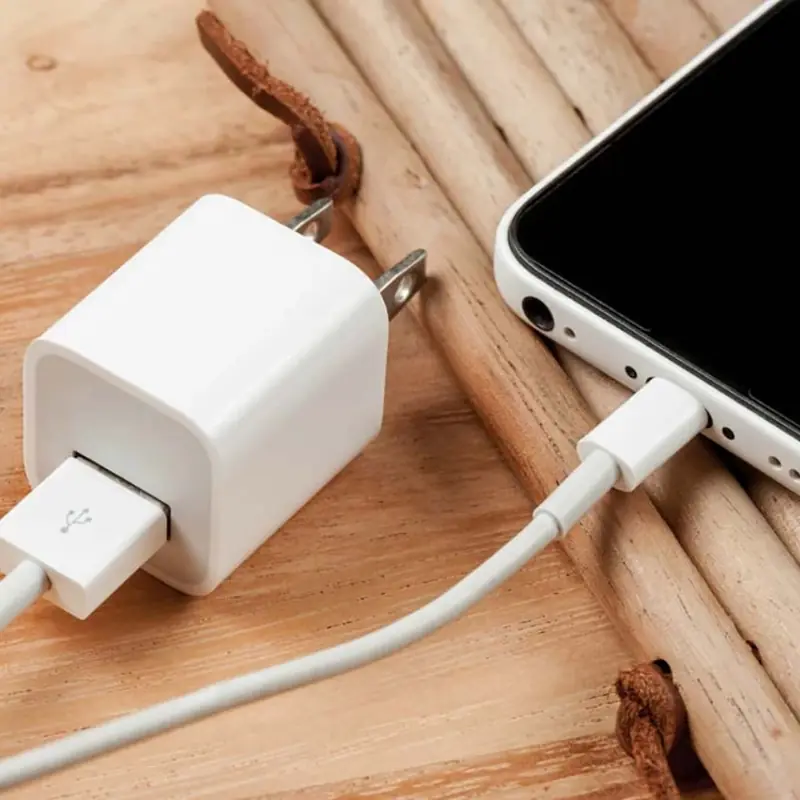
When a lithium-ion battery reaches 100 percent, it remains at a high voltage level. Sustained high voltage can accelerate chemical aging inside the battery. Over months or years, this may result in shorter battery life, slower performance, and the need for earlier battery replacement.
“Batteries experience the most strain when they are completely full or nearly empty,” explains one consumer electronics analyst. “Maintaining a moderate charge level helps reduce that stress and extends overall battery health.”
This does not mean charging to 100 percent occasionally is harmful. The issue arises when users consistently leave their phones plugged in overnight or keep them fully charged for long periods every day.
The Recommended Charging Range
So what is the ideal range? Most experts recommend keeping your phone’s battery level between 20 percent and 80 percent whenever possible. This range minimizes stress on the battery and helps preserve its long-term capacity.
Some smartphone manufacturers have even introduced built-in features that limit charging to 80 or 85 percent to promote battery longevity. Others offer “optimized charging” modes that slow down charging overnight and complete the final percentage just before you typically wake up.
By avoiding full charges and deep discharges, users may extend their battery’s usable life by months—or even years.
The Impact of Heat
Charging habits are not the only factor that affects battery lifespan. Heat is another major contributor to battery degradation. Using your phone intensively while it is charging—such as gaming, streaming high-definition videos, or running demanding apps—can increase internal temperature.
High temperatures combined with high charge levels can accelerate battery wear. Experts suggest removing thick phone cases while charging if the device feels warm, and avoiding placing phones under pillows or in enclosed spaces where heat cannot dissipate.
Fast Charging: Helpful but Not Harmless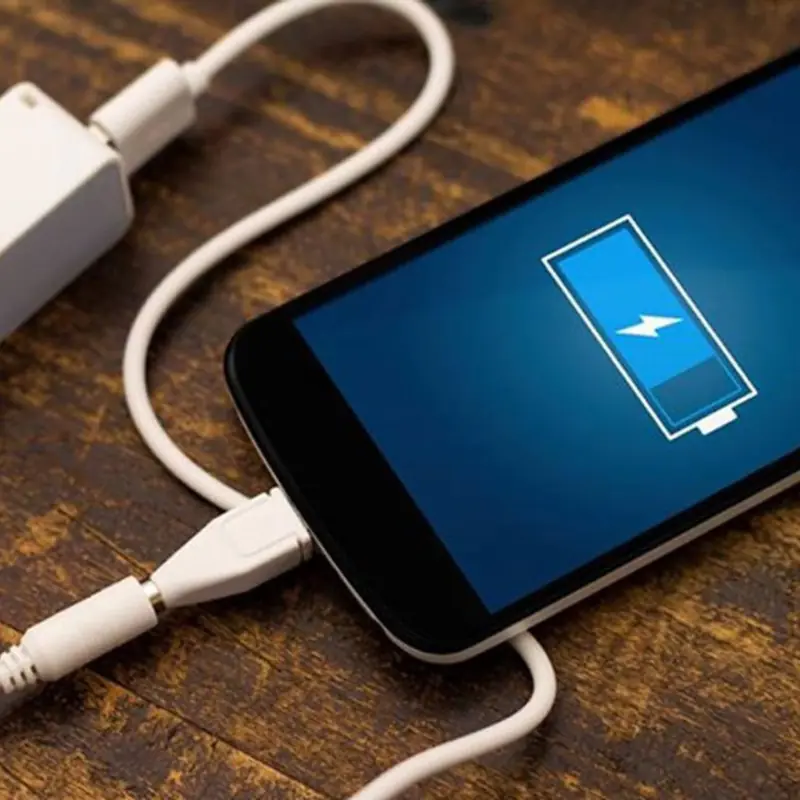
Fast-charging technology has become a major selling point for modern devices. While it offers convenience, frequent fast charging may also generate additional heat. Although manufacturers design devices to manage this safely, relying exclusively on fast charging could contribute to gradual battery wear.
Using standard charging speeds when you are not in a hurry can be a simple way to reduce thermal stress.
Practical Tips for Everyday Users
Extending battery life does not require complicated routines. Small, consistent changes can make a significant difference:
-
Unplug your phone once it reaches around 80 percent.
-
Avoid letting the battery drop below 15–20 percent regularly.
-
Enable optimized or adaptive charging features if available.
-
Keep your phone cool during charging.
-
Use certified chargers and cables to ensure stable power delivery.
These habits may not seem dramatic, but over time they help maintain battery health and delay noticeable capacity loss.
Balancing Convenience and Longevity
Of course, real life is not always predictable. There will be days when charging to 100 percent is necessary—such as before travel or long work shifts. Experts emphasize that flexibility is important. The goal is not perfection, but consistency.
“Think of battery care like maintaining your car,” one technician explains. “You don’t need to follow every rule perfectly, but better habits lead to longer performance.”
A Smarter Way to Charge
As smartphones become increasingly central to daily life, preserving battery performance is more important than ever. Replacing a battery can be costly and inconvenient, particularly for devices with sealed designs.
By aiming for the 20 to 80 percent range and minimizing heat exposure, users can take simple steps to protect their investment. Charging to 100 percent may feel satisfying, but in the long run, moderation appears to be the smarter strategy.