When people think about early signs of cervical cancer, they often focus on symptoms such as abnormal vaginal bleeding, pelvic pain, or unusual discharge. However, in some cases, changes in other parts of the body — including the feet — may reflect deeper health concerns. While foot symptoms are not among the most common early indicators, they can occasionally point to complications or advanced progression that should not be ignored.
Understanding how cervical cancer can affect the body as a whole helps women recognize when something unusual deserves medical attention.
How Cervical Cancer Affects the Body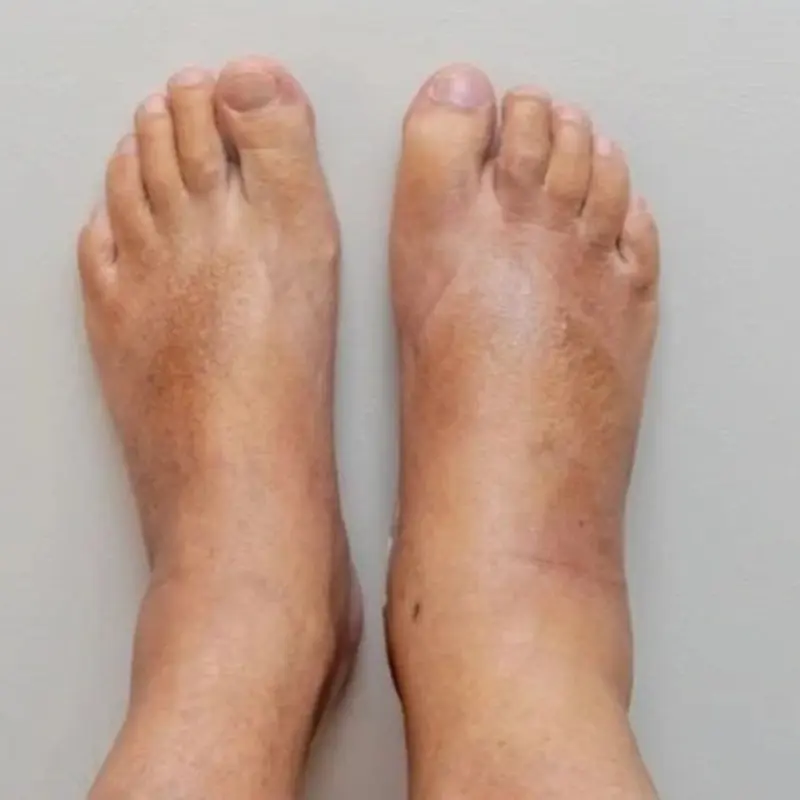
Cervical cancer develops in the cells of the cervix, typically due to persistent infection with high-risk strains of human papillomavirus (HPV). In its earliest stages, it may cause no noticeable symptoms at all. This is why routine screening, such as Pap smears and HPV testing, plays a crucial role in early detection.
As the disease progresses, however, cancer cells may spread beyond the cervix to surrounding tissues, lymph nodes, and other organs. When this happens, symptoms can appear in unexpected areas — including the lower limbs.
Below are four foot-related signs that may be associated with cervical cancer progression or related complications.
1. Persistent Swelling in One or Both Feet
Unexplained swelling in the feet or ankles — particularly if it affects only one side — may indicate lymphatic obstruction. Cervical cancer can spread to nearby lymph nodes in the pelvis. When lymph nodes are blocked or damaged, lymph fluid may accumulate in the legs, leading to a condition known as lymphedema.
This swelling may feel heavy, tight, or uncomfortable and does not always improve with rest. If persistent foot or leg swelling occurs without an obvious cause, such as injury or prolonged standing, it is important to consult a healthcare professional.
2. Numbness or Tingling Sensations
Some women with more advanced cervical cancer may experience numbness, tingling, or a “pins and needles” sensation in the legs or feet. This can occur if the tumor presses on nerves in the pelvic region.
Nerve compression can interfere with normal sensation and muscle control. While numbness in the feet can result from many benign causes — including poor circulation or vitamin deficiencies — ongoing or worsening symptoms should be medically evaluated, especially when combined with other warning signs.
3. Persistent Pain in the Lower Back Radiating to the Feet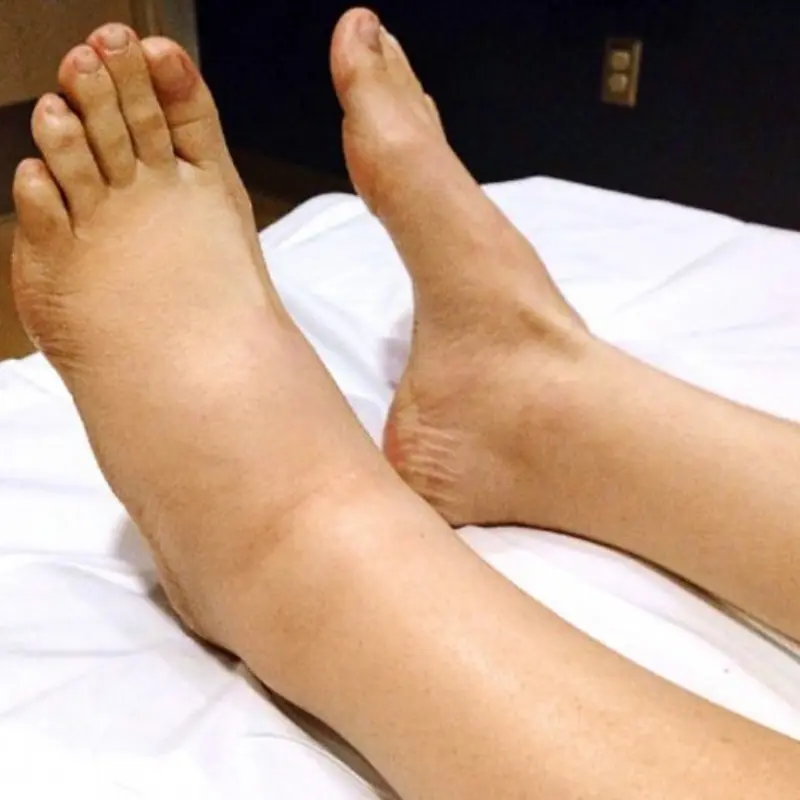
Lower back pain that radiates down the legs and into the feet may be linked to pressure on pelvic nerves. In advanced stages, cervical cancer can invade surrounding tissues, including structures near the spine.
This type of pain may feel sharp, aching, or burning and may worsen over time. Unlike typical muscle strain, it often does not improve with rest or simple pain relief measures. Any persistent back pain accompanied by abnormal gynecological symptoms should prompt medical attention.
4. Changes in Skin Color or Temperature
In rare cases, compromised blood flow due to pelvic tumor growth or lymphatic blockage can lead to changes in the appearance of the feet. The skin may appear pale, slightly bluish, or feel unusually cool. These symptoms may signal circulation issues that require urgent evaluation.
Although these signs are not specific to cervical cancer, they can reflect underlying vascular or lymphatic problems that should not be dismissed.
The Importance of Early Screening
It is essential to emphasize that foot symptoms alone do not mean someone has cervical cancer. In fact, these signs are more commonly associated with other conditions. However, when such symptoms appear alongside classic warning signs — such as abnormal bleeding between periods, bleeding after intercourse, pelvic pain, or unusual discharge — they warrant prompt medical assessment.
Routine cervical cancer screening remains the most effective way to detect precancerous changes early. Vaccination against HPV also significantly reduces the risk of developing cervical cancer in the first place.
When to See a Doctor
You should seek medical advice if you experience:
-
Persistent swelling in the legs or feet
-
Ongoing numbness or tingling
-
Unexplained lower back or pelvic pain
-
Abnormal vaginal bleeding or discharge
Early detection dramatically improves treatment outcomes. Listening to your body — including unexpected changes in your feet — can make a meaningful difference.
A Whole-Body Perspective on Women’s Health
The body often sends subtle signals when something is wrong. While foot-related symptoms are not typical early signs of cervical cancer, they may reflect complications that require attention. Staying informed, attending regular screenings, and seeking timely care remain the strongest defenses against serious disease.