Fatty liver disease is one of the most common liver conditions worldwide, affecting millions of people — often without them realizing it. It develops when excess fat accumulates inside liver cells. While small amounts of fat in the liver are normal, problems arise when fat makes up more than 5–10% of the liver’s weight.
In its early stages, fatty liver disease may cause no symptoms at all. However, if left unaddressed, it can progress to inflammation, scarring (fibrosis), cirrhosis, and even liver failure.
Understanding what causes fatty liver disease, recognizing warning signs, and knowing how to reverse early stages are critical steps in protecting long-term liver health.
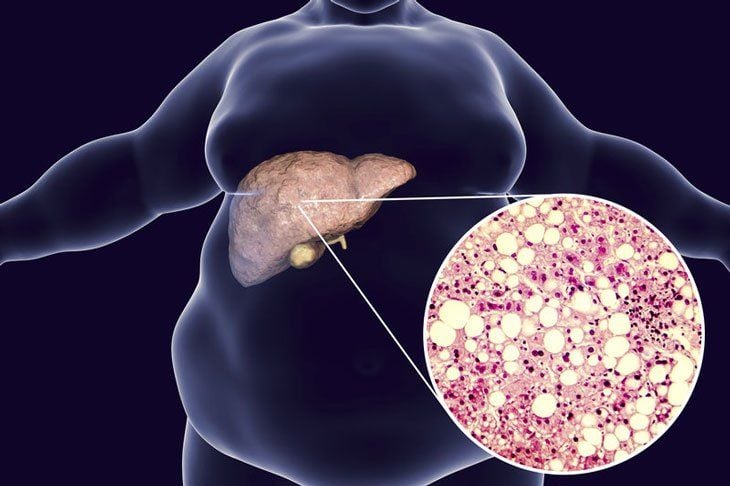
What Is Fatty Liver Disease?
Fatty liver disease is broadly classified into two main types:
1. Non-Alcoholic Fatty Liver Disease (NAFLD)
NAFLD occurs in individuals who drink little or no alcohol. It is strongly associated with metabolic factors such as obesity, insulin resistance, and type 2 diabetes.
NAFLD ranges from:
-
Simple fatty liver (steatosis) – fat accumulation without inflammation
-
Non-alcoholic steatohepatitis (NASH) – fat plus inflammation and liver cell damage
NASH carries a higher risk of progression to fibrosis and cirrhosis.
2. Alcohol-Related Fatty Liver Disease (AFLD)
AFLD develops due to excessive alcohol consumption. Alcohol disrupts fat metabolism in the liver, leading to fat buildup and inflammation.
Why Does Fat Accumulate in the Liver?
The liver plays a central role in processing fats, carbohydrates, and toxins. Fat accumulates when there is:
-
Increased fat delivery to the liver
-
Increased fat production within liver cells
-
Reduced fat breakdown
-
Impaired fat export
In metabolic conditions, insulin resistance causes the body to release more fatty acids into the bloodstream. These fatty acids are taken up by the liver and stored as fat.
Over time, excess fat can trigger inflammation and oxidative stress, leading to liver cell injury.
Common Causes and Risk Factors
Several factors increase the risk of fatty liver disease:
-
Obesity or excess abdominal fat
-
Type 2 diabetes
-
High cholesterol or triglycerides
-
Insulin resistance
-
Sedentary lifestyle
-
High intake of refined sugars (especially fructose)
-
Excess alcohol consumption
-
Rapid weight loss
-
Certain medications
Genetic predisposition may also play a role.
Warning Signs and Symptoms
Fatty liver disease is often silent in its early stages. Many individuals are diagnosed during routine blood tests or imaging studies.
When symptoms do appear, they may include:
-
Fatigue
-
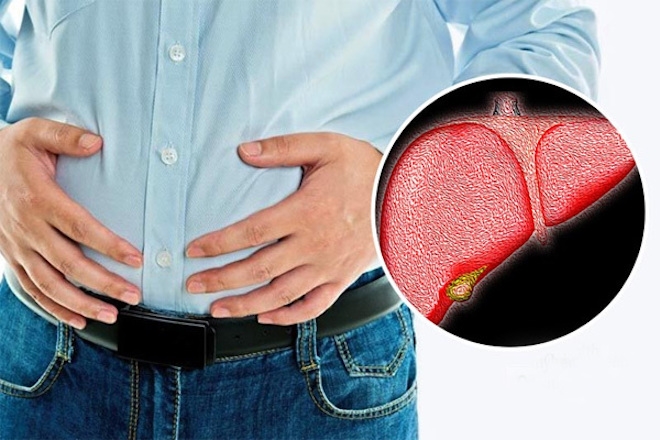
Mild discomfort in the upper right abdomen
-
Unexplained weakness
-
Slightly enlarged liver
As the condition progresses to inflammation or fibrosis, more serious signs may develop:
-
Persistent fatigue
-
Jaundice (yellowing of skin or eyes)
-
Swelling in legs or abdomen
-
Easy bruising
However, these advanced symptoms typically occur in later stages.
How Is Fatty Liver Disease Diagnosed?
Doctors may detect fatty liver through:
-
Elevated liver enzymes (ALT, AST) in blood tests
-
Ultrasound imaging
-
CT scan or MRI
-
Fibrosis assessment tools
-
Liver biopsy (in complex cases)
Not all patients with fatty liver have abnormal liver enzymes, which is why imaging plays an important role.
Can Fatty Liver Disease Be Reversed?
The encouraging news is that early-stage fatty liver (simple steatosis) is often reversible through lifestyle modification.
Even NASH can improve if intervention occurs before significant scarring develops.
How to Improve and Reverse Fatty Liver
1. Achieve Gradual Weight Loss
Losing 5–10% of body weight has been shown to significantly reduce liver fat and inflammation.
Important:
Weight loss should be gradual. Rapid weight loss can worsen liver stress.
2. Improve Diet Quality
Key dietary strategies include:
-
Reducing refined sugars and sugary beverages
-
Limiting processed foods
-
Choosing whole grains over refined carbohydrates
-
Increasing fiber intake
-
Including lean protein sources
-
Incorporating healthy fats (olive oil, nuts, fatty fish)
The Mediterranean-style diet is often recommended for fatty liver management.
3. Increase Physical Activity
Regular exercise helps:
-
Improve insulin sensitivity
-
Reduce liver fat
-
Lower triglycerides
-
Support weight management
Both aerobic exercise and resistance training are beneficial.
Aim for at least 150 minutes of moderate activity per week.
4. Limit or Eliminate Alcohol
For alcohol-related fatty liver, abstinence is essential.
Even in NAFLD, limiting alcohol reduces additional liver stress.
5. Control Metabolic Conditions
Managing:
-
Blood sugar
-
Blood pressure
-
Cholesterol levels
is critical in preventing progression.
Medical supervision may be necessary.
What Fatty Liver Is NOT
It is not a condition that can be cured by:
-
Detox teas
-
Fad cleanses
-
Short-term crash diets
-
Single “superfoods”
Liver health improves through consistent, long-term lifestyle changes.
When to Seek Medical Attention
Consult a healthcare provider if you have:
-
Persistent fatigue
-
Abnormal liver enzyme tests
-
Risk factors such as obesity or diabetes
-
Symptoms of advanced liver disease
Early intervention significantly reduces long-term complications.
Final Thoughts
Fatty liver disease is common but often preventable and reversible in its early stages. It develops primarily due to metabolic imbalance and lifestyle factors, though alcohol use can also contribute.
The most effective approach to improving fatty liver is not extreme intervention — but sustainable lifestyle change: balanced nutrition, regular physical activity, weight management, and metabolic control.
The liver has remarkable regenerative capacity. When given the right conditions, it can heal. Awareness, early action, and consistency make all the difference.