Fresh flowers instantly brighten a room. Their colors lift the atmosphere, and their fragrance creates a sense of calm and warmth. Yet one common frustration remains: cut flowers often wilt far sooner than expected.
Many people do not realize that a simple adjustment to the vase water — sometimes just a few drops of the right ingredient — can significantly extend the life of cut flowers. The key lies in understanding what causes flowers to fade and how small changes can slow that process.

Why Cut Flowers Fade So Quickly
Once flowers are cut from the plant, they lose access to their natural water and nutrient supply. From that moment, their survival depends entirely on the water in the vase.
Three main factors shorten a flower’s lifespan:
1. Bacterial Growth in the Water
Microorganisms multiply quickly in stagnant water. These bacteria clog the stems, blocking water absorption.
2. Improper pH Levels
Flowers absorb water more efficiently in slightly acidic conditions. Tap water is often neutral or slightly alkaline.
3. Lack of Nutrients
Cut flowers still need small amounts of sugar to maintain cellular activity.
By addressing these issues, you can noticeably extend freshness.
The “Few Drops” That Make a Difference
One commonly used solution is adding a small amount of white vinegar or lemon juice to the vase water.
Why It Works
Both vinegar and lemon juice slightly acidify the water. This:
-
Helps flowers absorb water more efficiently
-
Slows bacterial growth
-
Maintains clearer water for longer
Typically, 1–2 teaspoons of vinegar or lemon juice per liter of water is sufficient.

A Tiny Amount of Bleach (Used Carefully)
Another option is adding a few drops of diluted household bleach.
This method works because bleach:
-
Kills bacteria
-
Prevents microbial buildup
-
Keeps the water clear
Important: Only a very small amount is needed — typically 1–2 drops per liter of water. Excess bleach can damage delicate stems.
This is not about chemical preservation but about controlling bacterial growth, which is the primary cause of early wilting.
The Classic Homemade Flower Food Formula
Florists often use a balanced mixture containing:
-
A sugar source (for energy)
-
An acid (like lemon juice or vinegar)
-
A tiny amount of bleach (to prevent bacteria)
For example:
-
1 teaspoon sugar
-
1 teaspoon lemon juice
-
1–2 drops bleach
-
1 liter of fresh water
Sugar provides energy, acid improves water uptake, and bleach maintains cleanliness.

Other Essential Tips to Extend Freshness
Adding a few drops alone is helpful, but combining it with proper care produces the best results.
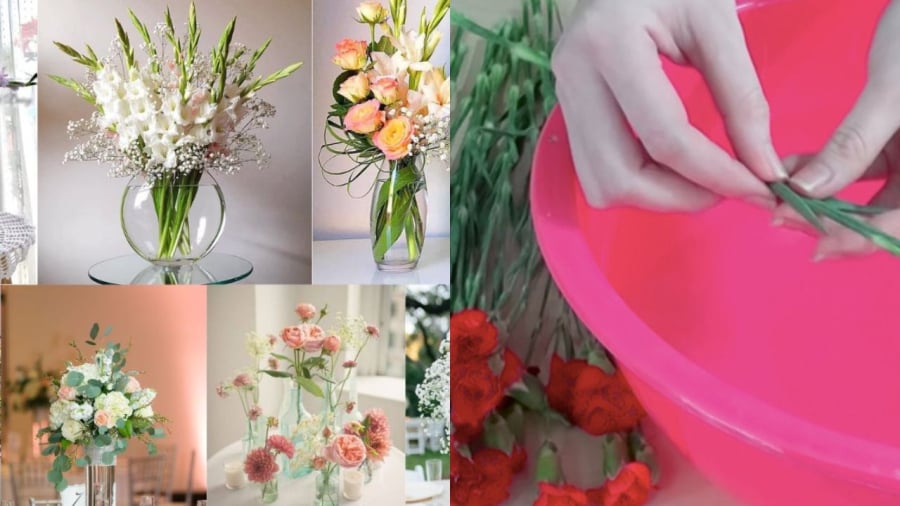
1. Trim the Stems at an Angle
Cut stems at a 45-degree angle under running water. This:
-
Increases surface area
-
Prevents air bubbles from blocking absorption
Re-trim every 2–3 days.
2. Remove Leaves Below Water Line
Submerged leaves rot quickly and accelerate bacterial growth.
3. Change the Water Regularly
Even with additives, water should be replaced every 1–2 days.
4. Keep Flowers Away from Heat
Avoid placing vases near:
-
Direct sunlight
-
Radiators
-
Electronics
-
Fruit bowls (ripening fruit releases ethylene gas that speeds wilting)
Why Fragrance Lasts Longer Too
When flowers stay hydrated and healthy:
-
Petals remain firm
-
Cellular metabolism continues
-
Natural scent compounds are preserved longer
Wilted flowers lose fragrance because dehydration disrupts cellular processes that produce aromatic oils.
Maintaining water quality indirectly helps preserve scent.
Which Flowers Benefit Most?
This method works particularly well for:
-
Roses
-
Carnations
-
Chrysanthemums
-
Tulips
-
Gerbera daisies
More delicate flowers may require slightly less additive concentration.
What to Avoid
Do not:
-
Add too much sugar (encourages bacteria)
-
Use large amounts of bleach
-
Leave cloudy water unchanged
-
Crush stems excessively
Balance is essential.
Final Thoughts
Keeping flowers fresh is less about secret tricks and more about managing water quality. A few drops of vinegar, lemon juice, or diluted bleach can reduce bacterial growth and improve water absorption — helping flowers stay vibrant for up to 7–10 days under ideal conditions.
Combined with proper trimming, regular water changes, and thoughtful placement, these small steps can preserve both the beauty and fragrance of your bouquet far longer than plain tap water alone.
Sometimes, the difference between fading petals and lasting blooms comes down to just a few careful drops.