In recent years, moringa has gained increasing recognition in both nutritional science and wellness communities for its remarkable nutrient density and broad potential health benefits. Often referred to as the “miracle tree” in traditional cultures, moringa leaves have long been consumed in parts of Asia, Africa, and South America as a staple vegetable. Despite being affordable and widely available in many local markets, moringa remains underappreciated in modern diets.
Some even compare its nutrient concentration to premium health foods, noting that its dense profile rivals far more expensive superfoods. Yet beyond the headlines, what truly makes moringa stand out is not hype — but its measurable nutritional composition and bioactive compounds.
So what exactly gives moringa its unique value?
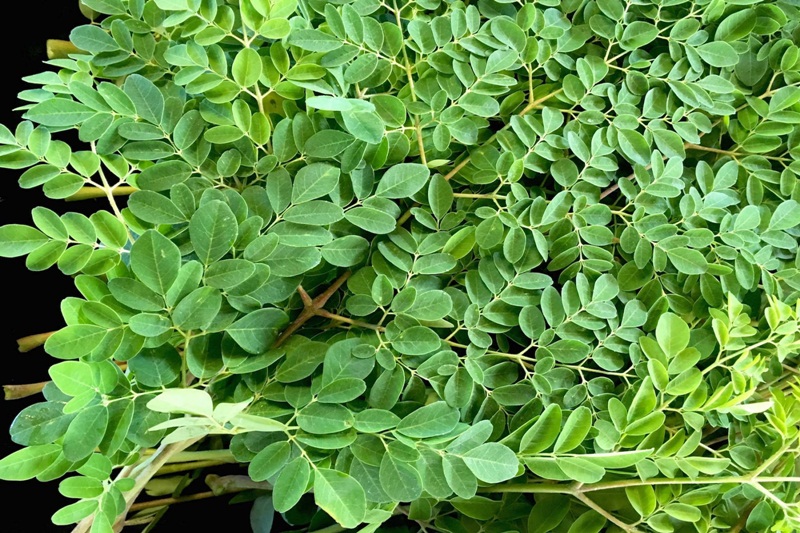
The Nutritional Strength of Moringa
A Rare Plant-Based Source of Complete Protein
One of the most striking features of moringa leaves is their protein profile. Unlike most leafy vegetables, moringa contains all essential amino acids required by the human body. Amino acids are the building blocks of proteins and play critical roles in:
-
Muscle repair and growth
-
Tissue regeneration
-
Hormone production
-
Enzyme formation
-
Immune function
Because plant-based diets sometimes lack complete amino acid profiles, moringa has become especially popular among vegetarians and individuals reducing animal protein intake. While it should not replace diverse protein sources entirely, its contribution is significant for a leafy vegetable.
Exceptionally Rich in Calcium and Magnesium
Moringa is particularly noted for its mineral content. Fresh leaves contain high levels of calcium, which supports:
-
Bone density
-
Tooth strength
-
Muscle contraction
-
Nerve signaling
Magnesium, another abundant mineral in moringa, works synergistically with calcium. It helps regulate calcium absorption, supports nerve transmission, and contributes to energy metabolism.
Together, these minerals make moringa a valuable addition to diets focused on maintaining bone health — particularly for aging adults at risk of reduced bone density.
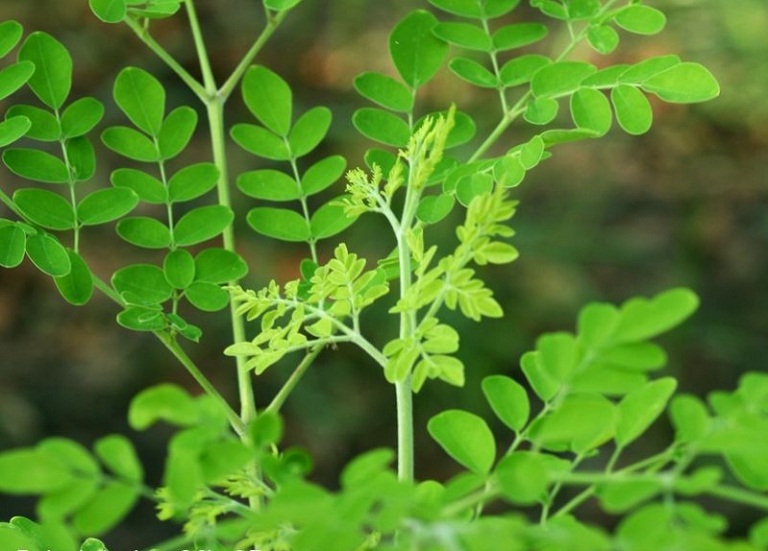
Abundant in Vitamins A and C
Moringa leaves are also concentrated sources of vitamins A and C.
Vitamin A plays a central role in:
-
Vision health
-
Immune defense
-
Skin integrity
-
Cellular growth
Vitamin C supports:
-
Collagen production
-
Wound healing
-
Antioxidant protection
-
Immune resilience
Obtaining these vitamins from whole foods like moringa allows the body to absorb them alongside complementary phytonutrients, enhancing their effectiveness.
A Powerful Source of Antioxidants
Beyond vitamins and minerals, moringa contains a wide array of antioxidant compounds, including:
-
Flavonoids
-
Polyphenols
-
Carotenoids
-
Chlorogenic acid
Antioxidants help neutralize free radicals — unstable molecules that can damage cells and contribute to chronic inflammation and degenerative conditions.
By reducing oxidative stress, antioxidant-rich foods like moringa may support long-term cellular health and protect sensitive tissues such as the eyes, brain, and cardiovascular system.
Cytokinins and Cellular Regeneration
Moringa contains naturally occurring cytokinins — plant hormones involved in cell growth and regeneration. One compound often studied is zeatin, which has been explored for its potential role in promoting healthy cell turnover.
These properties have led to interest in moringa not only as a dietary ingredient but also in skincare formulations. While more research is needed to fully understand its long-term effects in humans, its bioactive profile suggests supportive benefits for maintaining healthy aging processes.
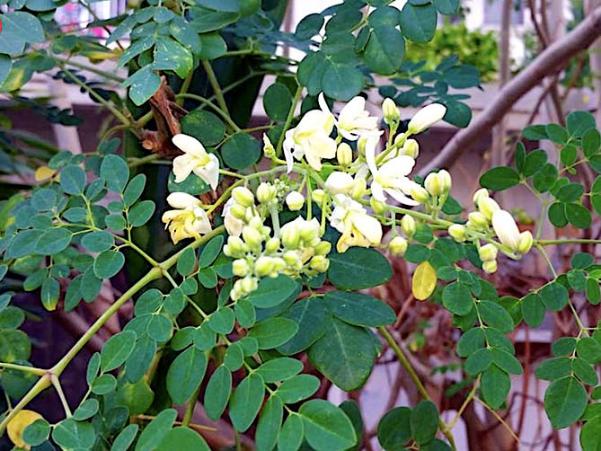
Potential Health Benefits of Moringa
Supporting the Body’s Defense Systems
The combined presence of antioxidants, vitamins, and plant compounds helps the body counter oxidative stress. Chronic oxidative stress has been associated with various long-term health challenges. By incorporating moringa into a balanced diet, individuals may enhance their overall protective nutrient intake.
Blood Sugar Regulation Support
Some preliminary studies suggest that compounds found in moringa leaves, including isothiocyanates, may support healthy blood sugar balance. In certain observations, modest daily consumption of moringa leaf powder was associated with improved glucose markers.
It is important to emphasize that moringa is not a substitute for medical treatment. However, under professional supervision, it may serve as a complementary dietary component for individuals managing metabolic health.
Anti-Inflammatory Properties
Inflammation is a natural immune response, but chronic inflammation can contribute to discomfort and long-term health issues. Moringa contains plant compounds that may help modulate inflammatory pathways.
This may support:
-
Joint comfort
-
Muscle recovery
-
General inflammatory balance
Again, these effects are supportive rather than curative.
Bone Health Maintenance
With its calcium and magnesium combination, moringa is often regarded as one of the more mineral-dense leafy greens. When paired with adequate vitamin D and regular physical activity, it may contribute to maintaining strong skeletal structure.
How to Include Moringa in the Diet
Moringa can be consumed in several forms:
-
Fresh leaves added to soups or stir-fries
-
Dried leaf powder blended into smoothies
-
Capsules or supplements
-
Herbal teas
Fresh leaves provide a mild, slightly earthy flavor similar to spinach. When cooking, light steaming may help preserve nutrients while improving digestibility.
Important Considerations
Despite its many advantages, moderation is essential.
Excessive consumption may lead to:
-
Digestive discomfort
-
Excessive calcium intake
-
Mild laxative effects in sensitive individuals
Additional precautions:
-
Pregnant women should avoid moringa root or bark products and consult healthcare providers before using leaf supplements.
-
Introduce gradually to monitor tolerance.
-
Avoid extremely high doses unless medically supervised.
As with all nutrient-dense foods, balance matters more than quantity.
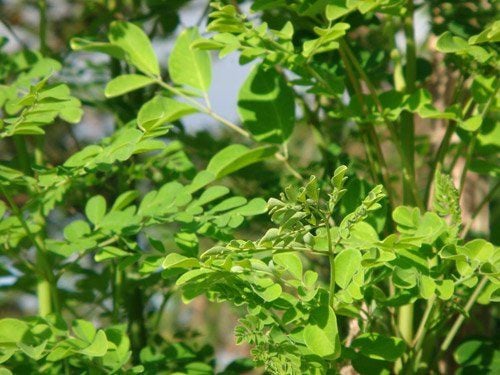
Final Thoughts
Moringa is not a miracle cure — but it is undeniably a nutrient-rich plant with meaningful dietary value. Its combination of protein, minerals, vitamins, antioxidants, and bioactive compounds makes it one of the most nutritionally dense leafy vegetables available.
Affordable, accessible, and versatile, moringa offers an opportunity to enhance nutritional intake without relying on expensive specialty products. Sometimes, the most powerful additions to a healthy lifestyle are not rare or costly — they are simply underutilized.
When consumed thoughtfully and in moderation, moringa can be a valuable part of a balanced, whole-food diet that supports long-term wellness.