
Doctors caution that noticing your heartbeat while lying down could signal an underlying health concern
If you can hear your heartbeat when resting, doctors advise paying attention to it
Health 27/02/2026 12:07
When people think about natural remedies, their minds often jump to popular herbs like turmeric, ginger, or chamomile. Yet hidden among common kitchen spices is a far more underestimated ingredient: dill seeds. Frequently used to flavor pickles or season soups, dill seeds are rarely recognized for their broader wellness potential. But beyond their culinary role lies a long tradition of medicinal use and a surprisingly rich profile of bioactive compounds.
For centuries, dill seeds have been used in traditional healing systems across Europe, the Middle East, and parts of Asia. They were valued for soothing digestive discomfort, easing menstrual pain, calming the nervous system, and even promoting better sleep. Modern research is gradually beginning to explore the science behind these traditional uses.
So what makes these tiny seeds so remarkable?
Dill (Anethum graveolens) is an aromatic herb belonging to the Apiaceae family, which also includes fennel, parsley, and coriander. While fresh dill leaves are widely used in cooking, the seeds of the plant contain a more concentrated set of essential oils and therapeutic compounds.
Dill seeds are small, oval, and light brown, with a warm, slightly bitter, citrus-earthy flavor. Their aroma comes primarily from volatile oils such as carvone, limonene, and anethofuran — compounds known for digestive and calming properties.
In traditional medicine, dill seeds were often brewed into teas, ground into powders, or infused into oils to address a variety of everyday ailments.
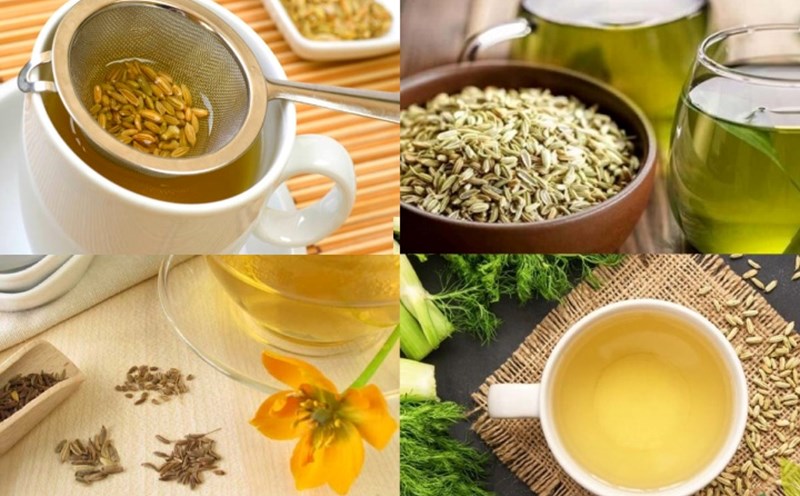
One of the most well-documented traditional uses of dill seeds is for digestive relief.
Dill seeds contain carminative compounds — substances that help reduce gas formation and relieve bloating. The essential oils in dill can relax the smooth muscles of the gastrointestinal tract, which may ease cramping and abdominal discomfort.
Potential digestive benefits include:
Reducing bloating and gas
Supporting smoother bowel movements
Stimulating digestive enzyme production
Helping relieve mild indigestion
In addition, dill seeds contain antioxidants and mild antimicrobial compounds that may help maintain a balanced gut environment.
How to use for digestion:
Crush 1–2 teaspoons of dill seeds and steep in hot water for 5–10 minutes. Drink after meals to support digestion.
Dill seeds contain phytoestrogenic compounds — plant substances that can interact mildly with estrogen receptors in the body. While not as strong as human estrogen, these compounds may offer gentle hormonal support.
Historically, dill seeds were used to ease menstrual discomfort and regulate cycles. The muscle-relaxing properties of dill may help reduce uterine cramping, while its anti-inflammatory components may ease discomfort associated with menstruation.
Some traditional uses also suggest support during menopause, particularly for symptoms such as mild hot flashes or sleep disturbances.
It is important to note that while traditional evidence is strong, modern large-scale clinical studies are still limited. Dill seeds should be viewed as supportive rather than therapeutic.
How to use for hormonal support:
Daily mild dill seed tea or incorporating ground dill seeds into meals may offer gentle support.

Dill seeds have long been valued for their calming properties. The essential oils present in dill — especially carvone and limonene — may have mild sedative effects on the nervous system.
By helping to relax the body and reduce mild anxiety, dill seeds may indirectly improve sleep quality.
Potential sleep-related benefits include:
Reducing restlessness
Easing mild nervous tension
Supporting longer sleep duration
Encouraging relaxation before bedtime
While not a strong sedative, dill seed tea may serve as a gentle, natural bedtime ritual.
How to use for sleep:
Drink a warm cup of dill seed tea 30–60 minutes before bed.
Dill seeds contain flavonoids, phenolic compounds, and volatile oils that act as antioxidants. These compounds help neutralize free radicals — unstable molecules that contribute to oxidative stress and inflammation.
Chronic inflammation and oxidative stress are linked to long-term health challenges, including metabolic imbalance and cardiovascular strain.
Although dill seeds are not a replacement for medical treatment, their antioxidant profile supports overall cellular protection when included in a balanced diet.
Preliminary studies suggest that dill seed extracts may influence glucose metabolism. Some research indicates potential improvement in lipid profiles and blood sugar markers in controlled settings.
However, these findings are still emerging. Dill seeds should not replace prescribed medication but may complement a balanced dietary approach under professional guidance.
The simplest and most effective method:
1–2 teaspoons crushed dill seeds
1–2 cups hot water
Steep for 5–10 minutes
Strain and drink
Optional: add honey or lemon for flavor.
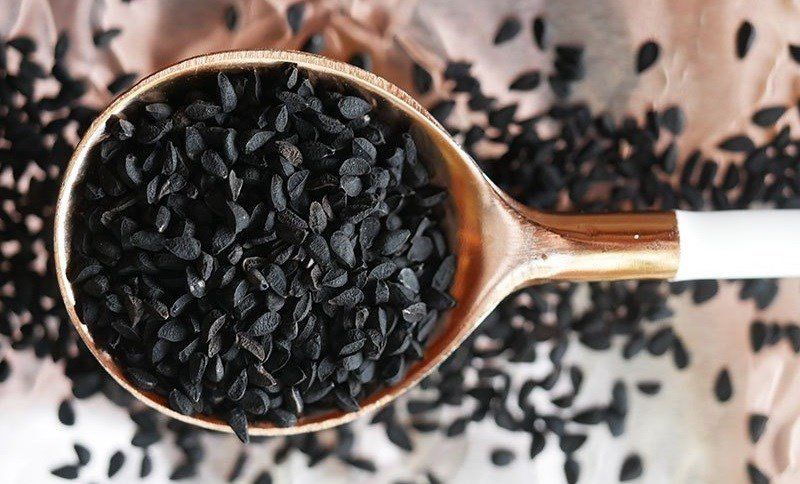
Lightly toast seeds, grind into powder, and sprinkle onto:
Salads
Roasted vegetables
Soups and stews
Yogurt
This method integrates benefits into daily meals.
Crushed seeds infused in olive or coconut oil for 2–3 weeks can be used for gentle abdominal massage to support digestive comfort.
Even natural remedies require moderation.
Potential precautions:
Excessive intake may cause digestive upset
Individuals with hormone-sensitive conditions should consult a healthcare provider
Pregnant individuals should seek medical advice before use
Those on blood sugar medication should monitor levels carefully
Moderate use as part of a varied diet is generally considered safe for most healthy adults.
Dill seeds may look modest, but their traditional use and biochemical profile reveal a plant with meaningful supportive potential. From easing digestive discomfort to promoting relaxation and offering antioxidant protection, these small seeds carry a surprisingly broad range of benefits.
They are not miracle cures, nor are they replacements for medical treatment. But as part of a balanced, thoughtful lifestyle, dill seeds can be a simple, affordable way to support digestive comfort, hormonal balance, and restful sleep.
Sometimes, the most powerful wellness tools are not exotic or expensive — they are already sitting quietly in the spice rack, waiting to be rediscovered.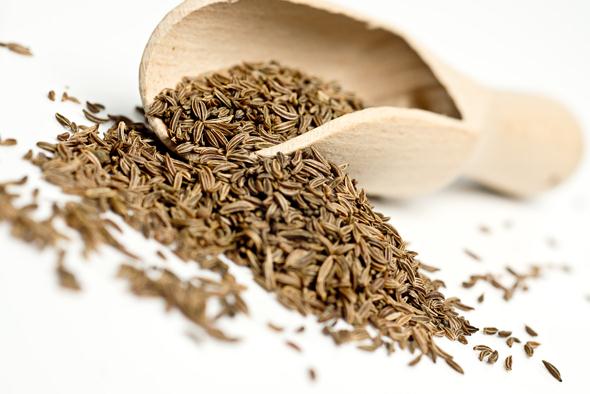
If you can hear your heartbeat when resting, doctors advise paying attention to it

Here's How to Distinguish Genuine and Fake Cooking Oils
7 Reasons Taro Root Is a Powerful Addition to Your Diet

Allergies and Ear Pain: Causes, Symptoms, and How to Find Relief
Before You Eat Another Kiwi, Read This: 5 Possible Side Effects
Fatty liver disease: Key triggers, common signs, and steps to support liver health
This underrated vegetable is highly nutritious and naturally rich in calcium

7. Why Repeated Back-of-the-Head Pain Shouldn’t Be Overlooked
Pokeweed: Beautiful in Appearance, Potentially Harmful in Reality

4 Things Oncologists Do Regularly to Lower Their Cancer Risk

The influence of a husband’s habits on his wife’s well-being is far greater than many couples realize.

Chinese Actress Beats Stomach Cancer for 25 Years
Traditional knowledge with a conscious approach

Night leg pain could signal blocked arteries.

Common sign of esophageal cancer most people miss.

Foot changes may reflect deeper cervical health issues.

It might be more than just morning mess — learn why. 👇
Don’t ignore these subtle symptoms — they could signal a bigger health issue.

Health experts warn about unsafe egg-eating habits
If you can hear your heartbeat when resting, doctors advise paying attention to it
Here's How to Distinguish Genuine and Fake Cooking Oils
7 Reasons Taro Root Is a Powerful Addition to Your Diet
Allergies and Ear Pain: Causes, Symptoms, and How to Find Relief

Simple yet effective ways to maintain the freshness and beauty of your flowers
Before You Eat Another Kiwi, Read This: 5 Possible Side Effects
Fatty liver disease: Key triggers, common signs, and steps to support liver health
This underrated vegetable is highly nutritious and naturally rich in calcium
7. Why Repeated Back-of-the-Head Pain Shouldn’t Be Overlooked
Pokeweed: Beautiful in Appearance, Potentially Harmful in Reality
4 Things Oncologists Do Regularly to Lower Their Cancer Risk
The influence of a husband’s habits on his wife’s well-being is far greater than many couples realize.
Chinese Actress Beats Stomach Cancer for 25 Years
Traditional knowledge with a conscious approach
A simple trick for perfectly crispy fried fish.
Night leg pain could signal blocked arteries.
Common sign of esophageal cancer most people miss.
Sweet or juicy — size matters less than nutrition. Here’s what experts say!
Foot changes may reflect deeper cervical health issues.