Here's How to Distinguish Genuine and Fake Cooking Oils
Here's How to Distinguish Genuine and Fake Cooking Oils
Tomatoes may look simple, but choosing a truly flavorful one can make the difference between a vibrant dish and a disappointing meal. Whether you are preparing a fresh salad, a rich pasta sauce, or simply slicing tomatoes for sandwiches, quality matters.
A delicious tomato should be sweet, slightly tangy, juicy but not watery, and rich in aroma. Yet not all tomatoes on display at the market meet these standards. Many are harvested early for transportation purposes, which affects flavor and texture.
Here is a practical guide to selecting tomatoes that are ripe, flavorful, and worth bringing home.
Color is one of the first indicators of ripeness.
For red varieties, choose tomatoes that have:
Deep, even red coloration
No large green or pale patches (unless the variety naturally includes green tones)
A slightly glossy but not artificial shine
Uneven coloring may suggest incomplete ripening. However, avoid tomatoes that look overly dull or brownish, which may indicate overripeness.
Different varieties have different natural colors — heirloom tomatoes may appear yellow, purple, or striped. Always compare color consistency within that specific variety.
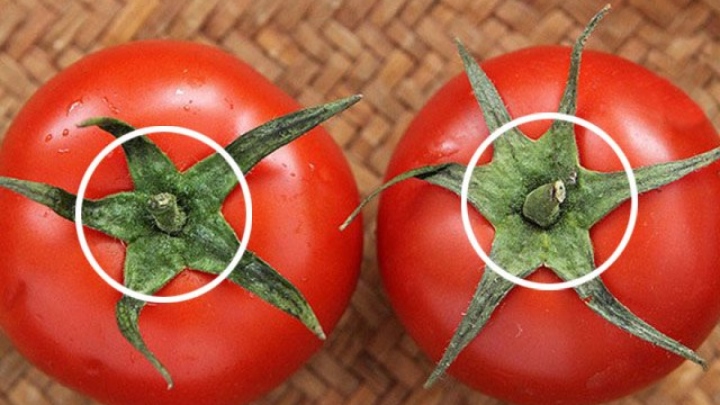
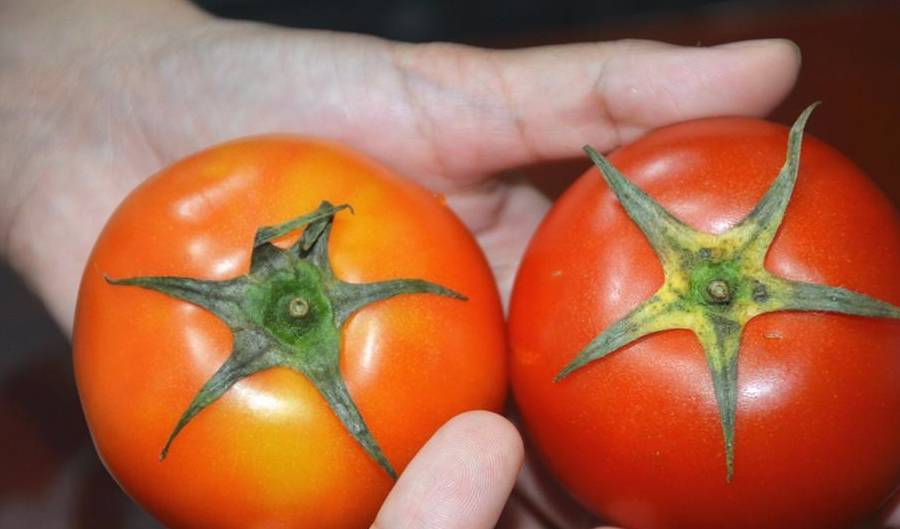
The small green “leaves” around the stem — called sepals — can offer clues.
Fresh tomatoes often have:
Green, slightly flexible sepals
No signs of dryness or brittleness
If the sepals are dry and brown, the tomato may have been harvested long ago.
In some traditional selection methods, tomatoes with 5–6 visible sepals are believed to be fuller and more symmetrical. While not a strict scientific rule, uniform shape can indicate healthy development.
A good tomato should feel heavy for its size.
Weight indicates water content and juiciness. When comparing two tomatoes of similar size:
Choose the heavier one.
Heaviness suggests proper hydration and fuller flesh, rather than dryness or internal hollowness.
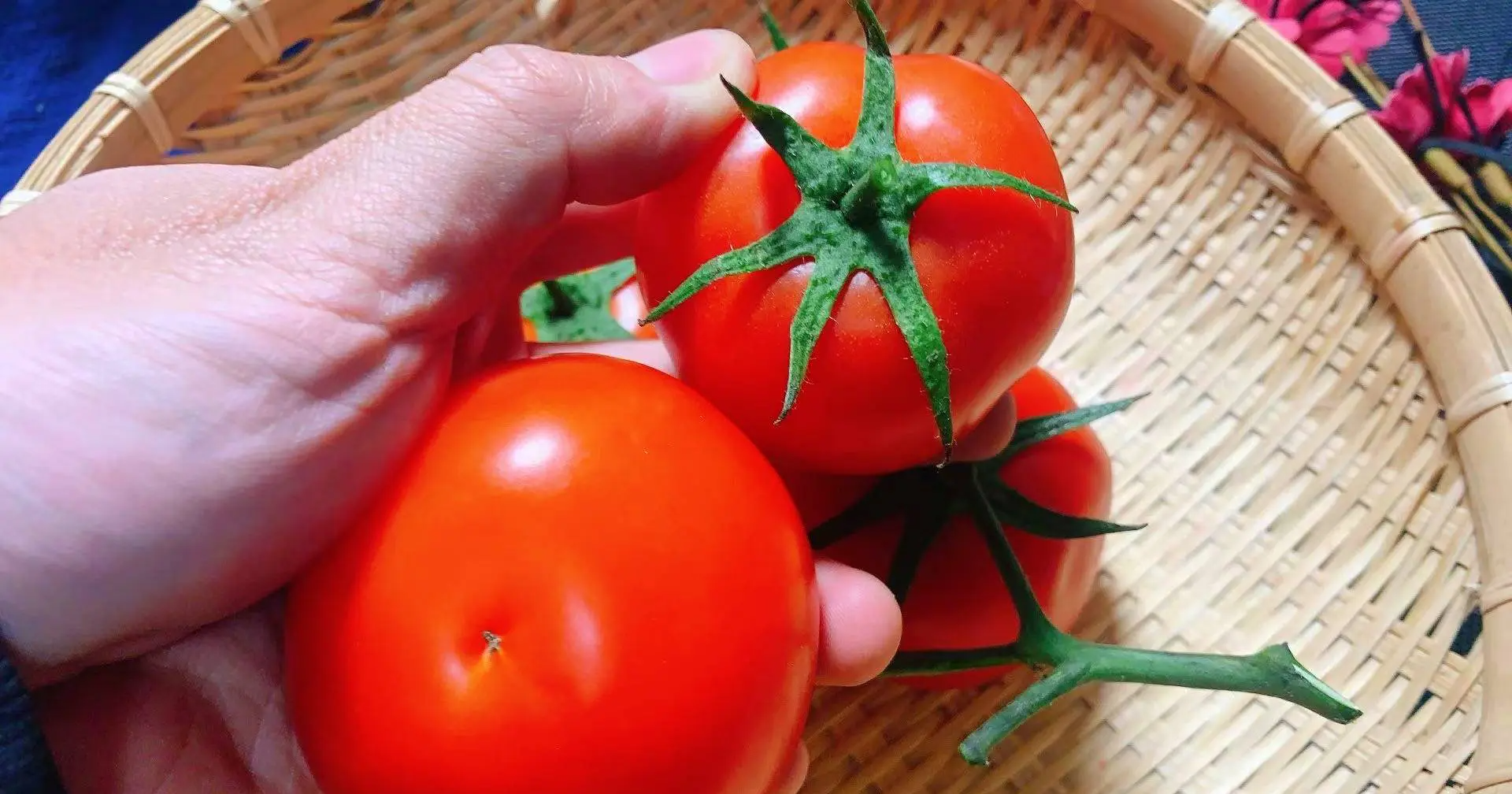
Texture matters.
A delicious tomato should:
Feel firm but yield slightly under gentle pressure
Not feel rock-hard
Not feel mushy or overly soft
If it is too hard, it may have been picked unripe.
If it is too soft, it may be overripe or close to spoiling.
The ideal tomato has a balanced resistance — slightly springy.
Thin skin is often associated with better flavor and more delicate texture.
Look for:
Smooth surface
No cracks
No wrinkles
No bruised spots
Wrinkling suggests dehydration. Deep cracks may allow bacteria to enter and shorten shelf life.
Thin-skinned tomatoes tend to feel more natural and less waxy. Commercially grown tomatoes sometimes have thicker skins for transport durability, but these may sacrifice flavor.
Aroma is one of the strongest indicators of taste.
Bring the tomato close to your nose and smell near the stem area. A ripe tomato should have:
A slightly sweet
Earthy
Fresh green scent
If there is no smell at all, the flavor may be mild or underdeveloped.
Tomato aroma comes from volatile compounds that develop during ripening. A fragrant tomato is usually a flavorful one.

Not all tomatoes taste the same.
Some popular types include:
Roma (meaty, good for sauces)
Cherry (sweet, snack-friendly)
Heirloom (complex, rich flavor)
Beefsteak (large, juicy, ideal for slicing)
Choose based on your intended use. For salads, sweeter varieties work well. For cooking, meatier types with lower water content are better.
Extremely uniform, glossy tomatoes may have been bred for shelf life rather than flavor.
Imperfections such as slight unevenness in shape can sometimes indicate natural growth rather than industrial uniformity.
Appearance alone does not determine taste.
Tomatoes taste best in peak season.
In most regions, that means late spring through summer. Off-season tomatoes are often grown in controlled environments and harvested early, reducing flavor intensity.
Whenever possible, buy locally grown, in-season tomatoes for better taste.
Even the best tomato can lose flavor if stored incorrectly.
Do not refrigerate whole tomatoes unless fully ripe and at risk of spoiling. Cold temperatures damage texture and mute flavor compounds.
Instead:
Store at room temperature
Keep stem-side down
Avoid stacking to prevent bruising
Refrigerate only if necessary after they are fully ripe.
Do not buy tomatoes that have:
Deep cracks
Soft sunken spots
Mold
Strong sour smell
Excessive wrinkling
These indicate spoilage or improper storage.
Choosing delicious tomatoes is both an art and a science. Look for deep color, gentle firmness, pleasant aroma, thin skin, and satisfying weight. Avoid extremes — neither too hard nor too soft.
The best tomatoes are those that feel alive: fragrant, balanced, and vibrant.
Sometimes, the difference between a bland meal and a memorable one starts at the produce aisle. Learning how to select quality tomatoes ensures every slice delivers sweetness, acidity, and freshness — just as nature intended.
Here's How to Distinguish Genuine and Fake Cooking Oils

Simple yet effective ways to maintain the freshness and beauty of your flowers
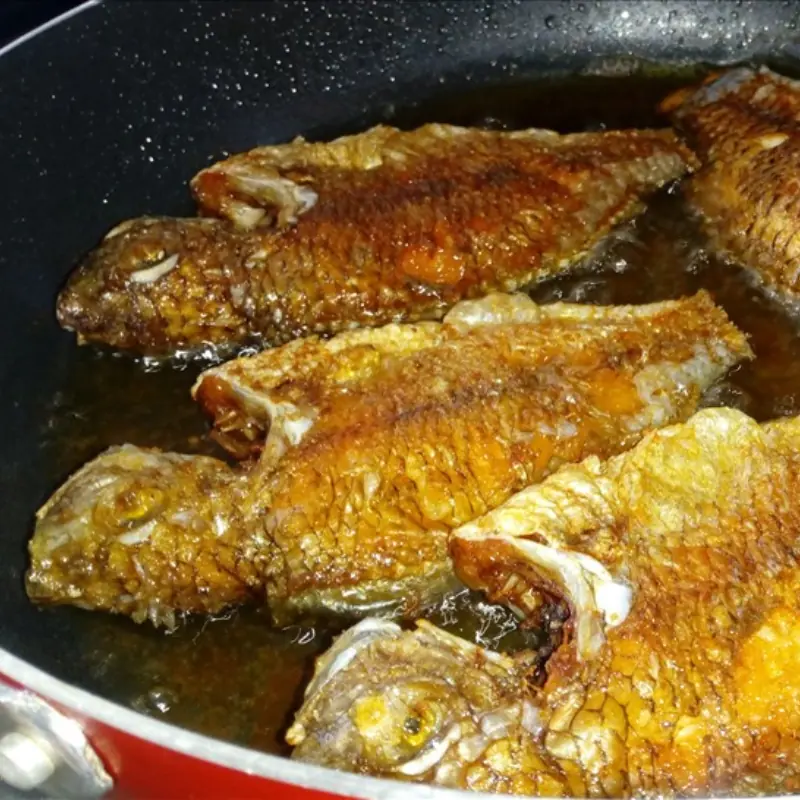
A simple trick for perfectly crispy fried fish.
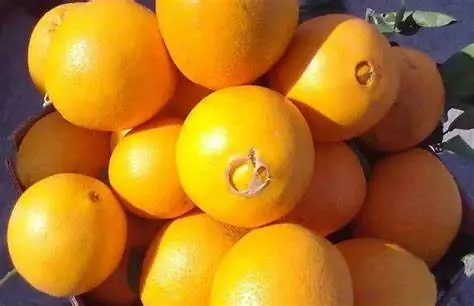
Sweet or juicy — size matters less than nutrition. Here’s what experts say!
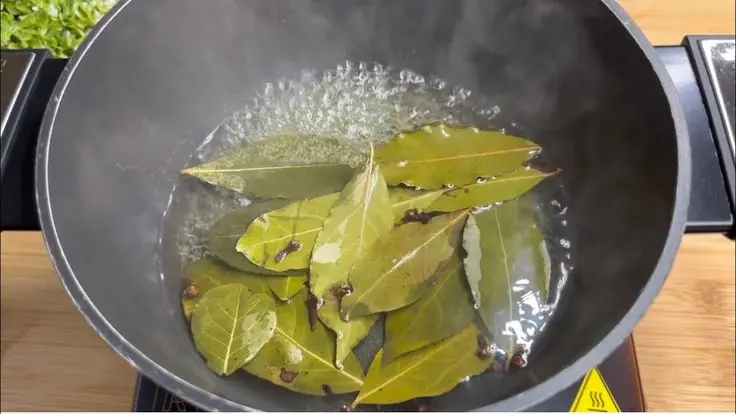
No sprays, no chemicals — natural bug control you can make at home!
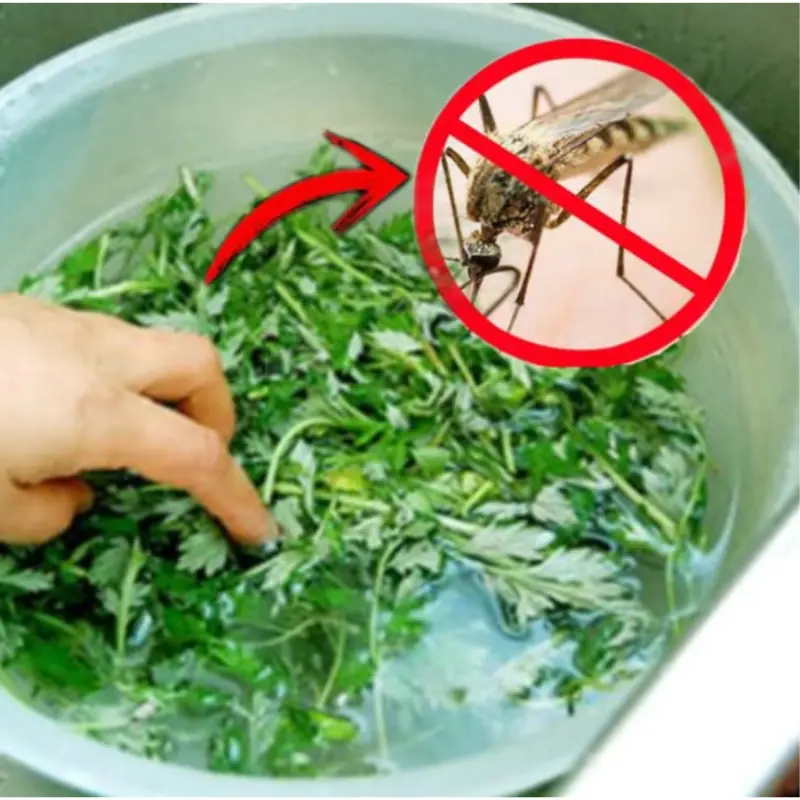
Natural leaf remedy helps keep mosquitoes away at night

Want younger-looking skin without expensive creams? Try this cheap trick 👇

Experts reveal the ideal charging range for longer battery life
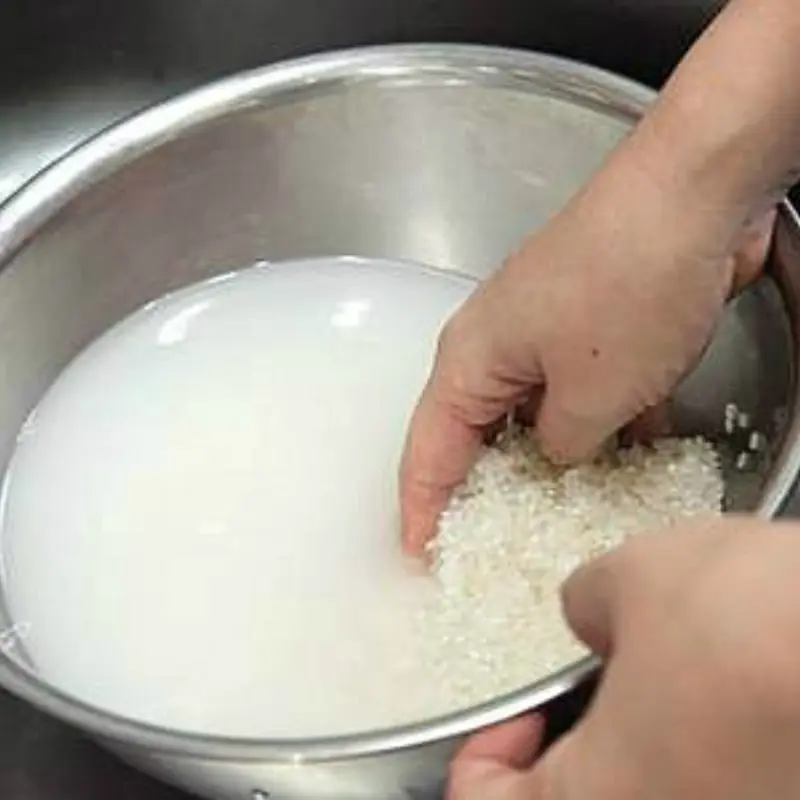
Rice water can be a hidden treasure in every home

Seeing geckos often inside? Use these easy tricks to discourage them from coming back

Possible advantages of using salt to clean your drain
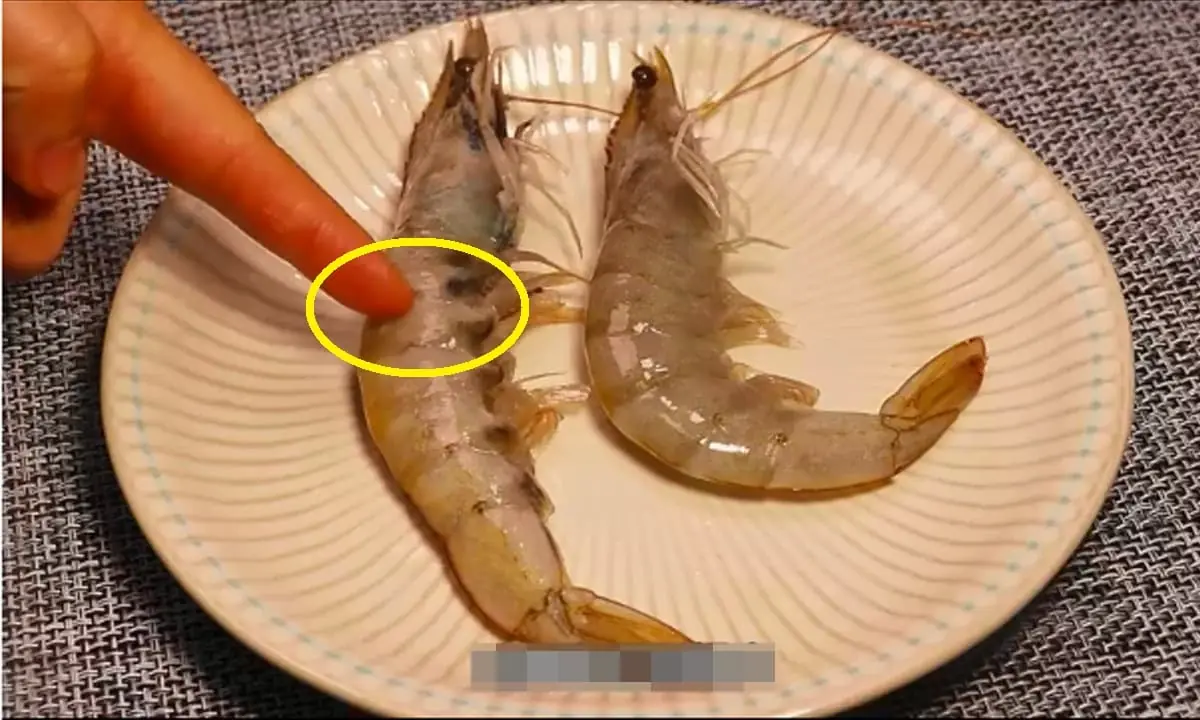
Straight vs. curved shrimp - which is the better choice at the market?

How to repel a rat infestation using a simple household ingredient

5 plants in your garden that could create conditions snakes are drawn to

Your refrigerator has a tiny hidden button that could save you a surprising amount on your electricity bill

Stop boiling chicken with just salt and water.

How to fix moldy, peeling, and flaking wall paint.

What men are really attracted to — and it’s not what you think. 👀

Most people use vinegar wrong — here’s how to do it right for laundry!

Nothing drains your energy more than the battles you fight inside your own mind. Release what is beyond your control
Eating Instant Noodles Every Day for a Month — A Wake-Up Call for Your Health

New findings point to a possible developmental pathway related to au.tism
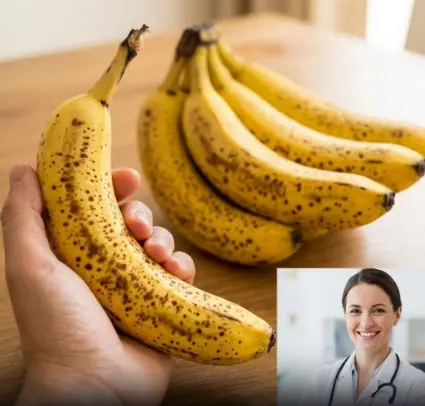
What Really Happens When You Eat a Banana Before Bed According to Doctors

Wild Violets: The Overlooked Plant with Remarkable Health Benefits

One Key Tip for Choosing Cabbage: Guaranteed Crunchy and Sweet Flavor

From Root to Table: The Health Benefits of Cassava and How to Prepare It Safely

asil is one of the most beloved and versatile aromatic herbs in the natural world — and beyond its distinctive flavor, its leaves hide remarkable medicinal power 🌸.
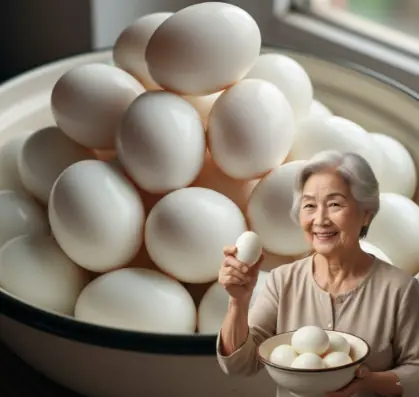
Boiled eggs have been a dietary staple for centuries, valued for their simplicity, affordability, and impressive nutritional profile.

A common daily drink that may negatively affect your bone health

The Importance of Beans in Controlling Diabetes.
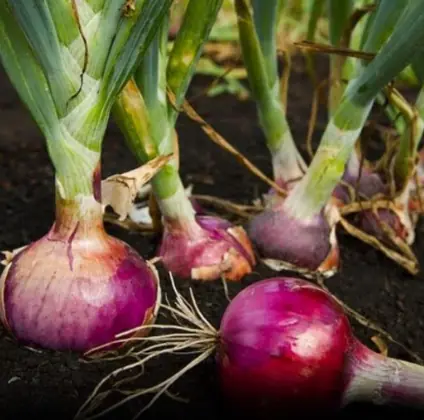
Onions are among the most widely consumed vegetables in the world and appear in countless cuisines across cultures.

Your Guide to Head & Neck Canc3r: What Raises Your Risk, What Symptoms to Watch For, and How to Stay Safe

The Truth about Sleepwalking

The surprising reasons why your cat loves sleeping in your bed

The process of salivation is controlled by the autonomic nervous system, so the process of salivation is involuntary, like the heartbeat.
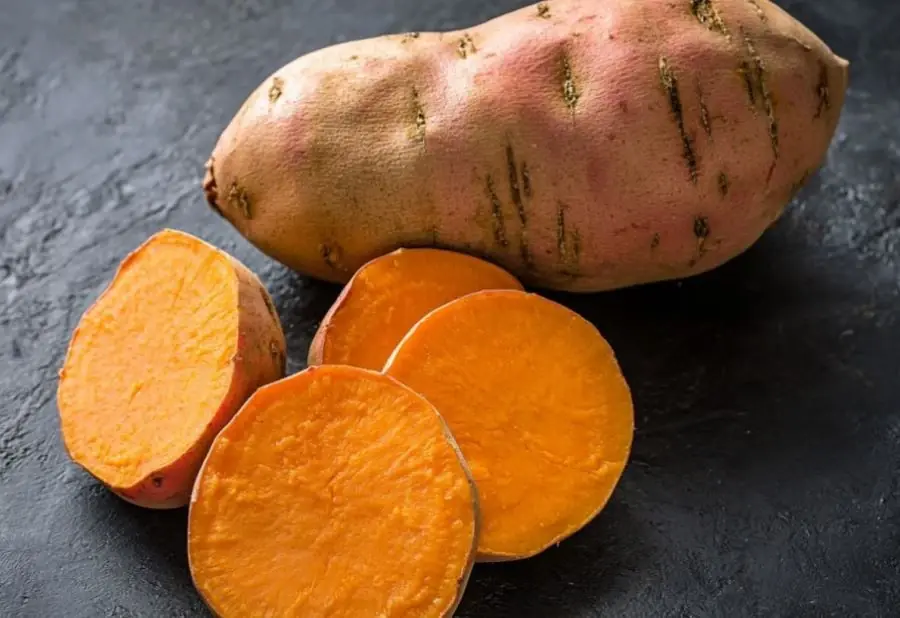
The best times of day to eat sweet potatoes for maximum nutritional impact

5 Silent Night Symptoms That May Indicate Kidney Dam:age

Clove (Syzygium aromaticum) is a widely used spice known for its rich aroma and medicinal properties.