
What changes will occur in the body if you eat instant noodles continuously for a month?
Eating Instant Noodles Every Day for a Month — A Wake-Up Call for Your Health
Cassava is a root vegetable that contains vitamin C and copper. It may also contain harmful compounds if consumed raw.
Cassava is a root vegetable widely consumed in many countries around the globe.
It provides many important nutrients, including resistant starch, which may have health benefits.
Nevertheless, as with all foods, you should consume it in moderation. This is especially true considering that it’s fairly high in calories and contains potentially harmful chemicals.
This article explores the unique properties of cassava to determine whether it’s healthy and safe to include in your diet.
Cassava is a nutty-flavored, starchy root vegetable or tuber native to South America. It’s a major source of calories and carbohydrates in many countries. Nigeria, Thailand, and Indonesia are among the top cassava-producing nations.
It’s widely grown in tropical regions because it can withstand difficult growing conditions and is one of the most drought-tolerant crops.
In the United States, cassava is often called:
Yuca
Manioc
Brazilian arrowroot
The most commonly consumed part is the root, which is highly versatile. It can be eaten whole, grated, or ground into flour for bread and crackers. Cassava root is also used to produce:
Tapioca (a starch)
Garri (a tapioca-like product)
Cassava is naturally:
Gluten-free
Grain-free
Nut-free
⚠️ Important: Cassava must always be cooked before eating. Raw cassava can be toxic.
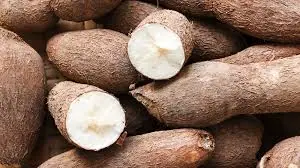
Calories: 191
Carbohydrates: 40g
Protein: 1.5g
Fat: 3g
Fiber: 2g
Vitamin C: 20% of Daily Value
Copper: 12% of Daily Value
Thiamine: 7% of Daily Value
Folate: 6% of Daily Value
Vitamin B6: 6% of Daily Value
Potassium: 6% of Daily Value
Magnesium: 5% of Daily Value
Niacin: 5% of Daily Value
Cassava is especially rich in vitamin C, which:
Supports immune function
Acts as an antioxidant
Promotes collagen production
It’s also a good source of copper, essential for:
Energy production
Iron metabolism
Nervous system function
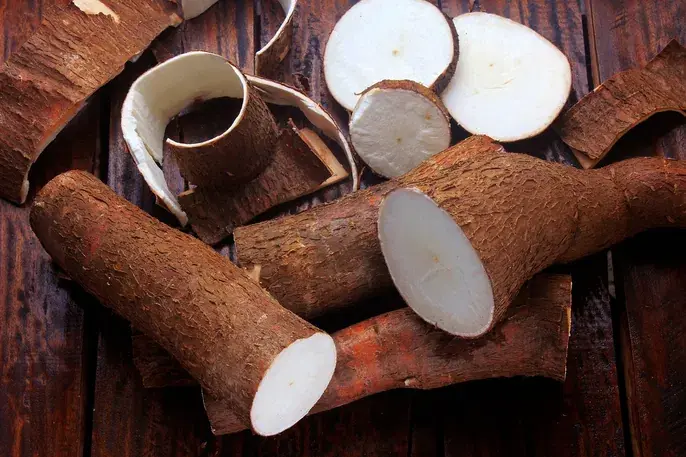
Cassava contains resistant starch, a type of starch that acts similarly to soluble fiber.
Benefits may include:
Improved gut health
Feeding beneficial gut bacteria
Reduced inflammation
Better blood sugar control
Increased fullness and reduced appetite
Cooling cooked cassava may increase its resistant starch content.
Vitamin C plays a key role in:
Strengthening immunity
Protecting against oxidative stress
Supporting collagen production
Maintaining healthy skin, joints, and bones
191 calories per 100g
Higher in calories than many other root vegetables
Overconsumption may contribute to weight gain if not balanced with overall calorie needs.
Recommended portion:
About 1/3–1/2 cup (73–113g) per serving
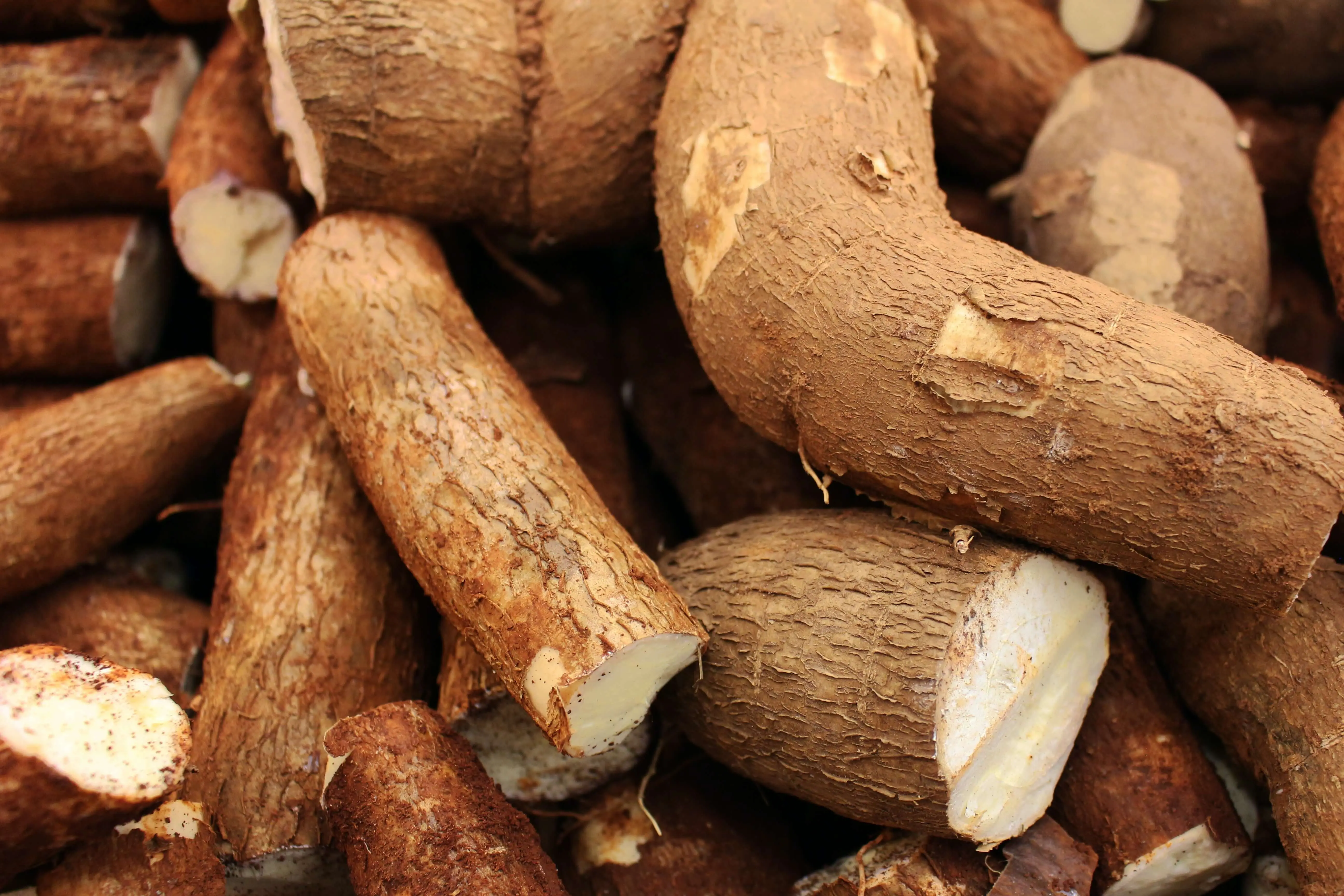
Raw cassava contains cyanogenic glycosides, compounds that can release cyanide in the body.
Potential risks of improper preparation:
Thyroid dysfunction
Nerve damage
Organ damage
In severe cases, death
Risk is higher in individuals with:
Poor overall nutrition
Low protein intake
Proper soaking and cooking significantly reduce these risks.
Processing (peeling, chopping, cooking) reduces:
Vitamins
Minerals
Fiber
Resistant starch
Highly processed forms like tapioca:
Are high in calories
Contain little fiber
Offer limited micronutrients
Boiling tends to preserve more nutrients than frying or roasting (except vitamin C, which is heat-sensitive).
To reduce toxicity risk:
Peel it – The peel contains most cyanide-producing compounds.
Soak it – Submerge in water for 48–60 hours before cooking.
Cook thoroughly – Boil, roast, or bake before eating.
Pair with protein – Helps the body detoxify small amounts of cyanide.
Maintain a balanced diet – Avoid relying on cassava as your sole food source.
Cassava can be used in many dishes:
Sliced and roasted like potatoes
Mashed
Added to stir-fries
Used in soups and omelets
Ground into flour for bread, crackers, tortillas, and pancakes
Processed into tapioca for puddings and soups
Popular cassava-based dishes include:
Cassava cake (Philippines)
Farofa (Brazil)
Fufu (Africa)
Tapai (Southeast Asia)
Kabkab (Philippines)
Products like cassava flour and tapioca contain little to no cyanide-producing compounds and are generally safe.
Cassava is a calorie-dense, drought-resistant root vegetable that serves as a staple food in many countries.
It offers:
Resistant starch for gut health
Vitamin C for immunity
Versatility in cooking
However, it must be:
Properly prepared
Cooked before consumption
Eaten in moderation
When handled correctly, cassava can be a nutritious and valuable addition to a balanced diet.
Eating Instant Noodles Every Day for a Month — A Wake-Up Call for Your Health

New findings point to a possible developmental pathway related to au.tism

What Really Happens When You Eat a Banana Before Bed According to Doctors

Wild Violets: The Overlooked Plant with Remarkable Health Benefits

One Key Tip for Choosing Cabbage: Guaranteed Crunchy and Sweet Flavor

asil is one of the most beloved and versatile aromatic herbs in the natural world — and beyond its distinctive flavor, its leaves hide remarkable medicinal power 🌸.

Boiled eggs have been a dietary staple for centuries, valued for their simplicity, affordability, and impressive nutritional profile.

A common daily drink that may negatively affect your bone health

The Importance of Beans in Controlling Diabetes.
Onions are among the most widely consumed vegetables in the world and appear in countless cuisines across cultures.

Your Guide to Head & Neck Canc3r: What Raises Your Risk, What Symptoms to Watch For, and How to Stay Safe

The process of salivation is controlled by the autonomic nervous system, so the process of salivation is involuntary, like the heartbeat.
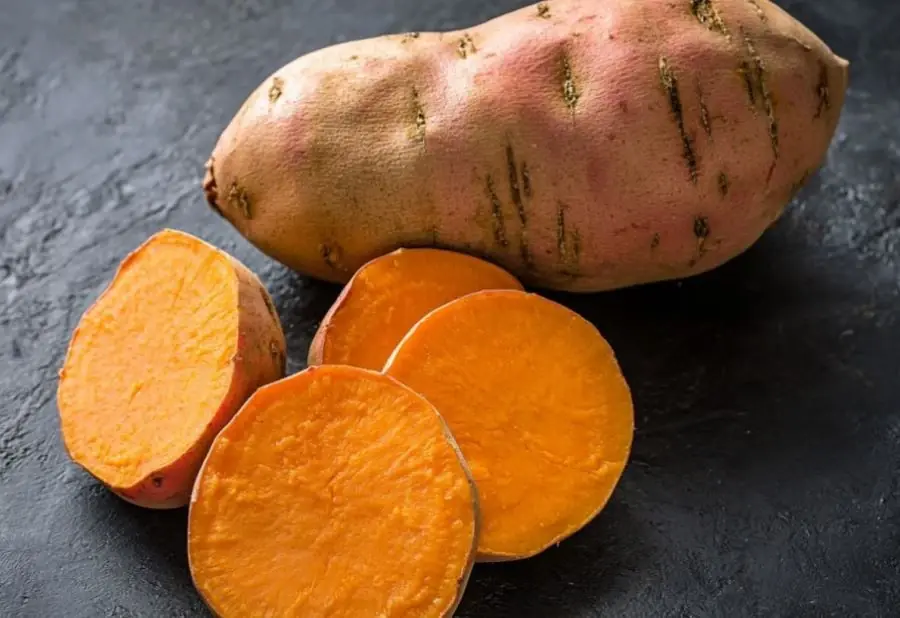
The best times of day to eat sweet potatoes for maximum nutritional impact

5 Silent Night Symptoms That May Indicate Kidney Dam:age
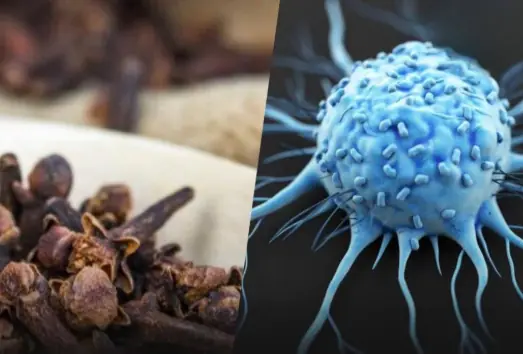
Clove (Syzygium aromaticum) is a widely used spice known for its rich aroma and medicinal properties.

If you can hear your heartbeat when resting, doctors advise paying attention to it
7 Reasons Taro Root Is a Powerful Addition to Your Diet
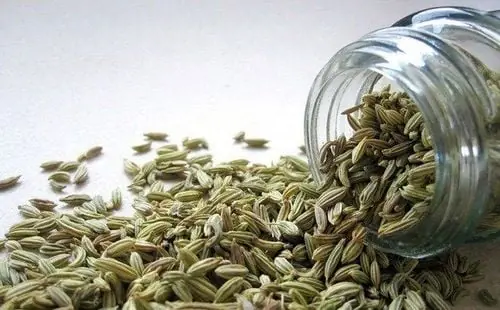
Dill Seeds: A Traditional Remedy for Gut Comfort, Hormone Support, and Restful Nights

Allergies and Ear Pain: Causes, Symptoms, and How to Find Relief
Eating Instant Noodles Every Day for a Month — A Wake-Up Call for Your Health
New findings point to a possible developmental pathway related to au.tism
A Guide to Picking the Best-Tasting Tomatoes
What Really Happens When You Eat a Banana Before Bed According to Doctors
Wild Violets: The Overlooked Plant with Remarkable Health Benefits
One Key Tip for Choosing Cabbage: Guaranteed Crunchy and Sweet Flavor
asil is one of the most beloved and versatile aromatic herbs in the natural world — and beyond its distinctive flavor, its leaves hide remarkable medicinal power 🌸.
Boiled eggs have been a dietary staple for centuries, valued for their simplicity, affordability, and impressive nutritional profile.
A common daily drink that may negatively affect your bone health
The Importance of Beans in Controlling Diabetes.
Onions are among the most widely consumed vegetables in the world and appear in countless cuisines across cultures.
Your Guide to Head & Neck Canc3r: What Raises Your Risk, What Symptoms to Watch For, and How to Stay Safe

The Truth about Sleepwalking

The surprising reasons why your cat loves sleeping in your bed
The process of salivation is controlled by the autonomic nervous system, so the process of salivation is involuntary, like the heartbeat.
The best times of day to eat sweet potatoes for maximum nutritional impact
5 Silent Night Symptoms That May Indicate Kidney Dam:age
Clove (Syzygium aromaticum) is a widely used spice known for its rich aroma and medicinal properties.
If you can hear your heartbeat when resting, doctors advise paying attention to it