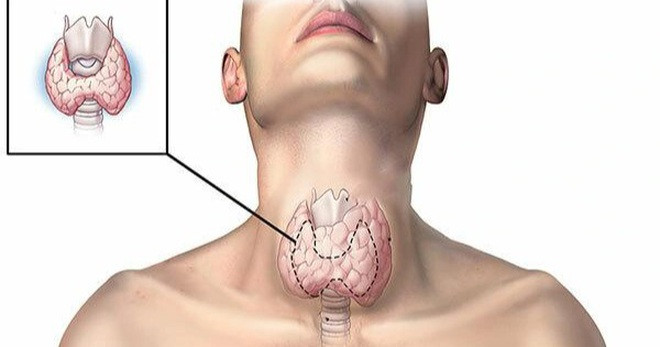
Thyroid nodules are small lumps that form within the thyroid gland — the butterfly-shaped gland located at the front of the neck. While most thyroid nodules are benign (non-cancerous), their increasing prevalence has raised questions about lifestyle and dietary factors that may contribute to their development.
Medical experts emphasize that thyroid health is influenced by multiple factors, including iodine intake, hormonal balance, genetics, and environmental exposure. Among these, diet plays a measurable role. In particular, excessive consumption of iodine-rich foods or certain goitrogenic foods may increase the risk of thyroid imbalance in susceptible individuals.
Understanding how diet affects thyroid function can help reduce unnecessary risk.
The Role of Iodine in Thyroid Health
The thyroid gland relies on iodine to produce thyroid hormones — thyroxine (T4) and triiodothyronine (T3). These hormones regulate metabolism, body temperature, heart rate, and energy levels.
However, both iodine deficiency and iodine excess can disrupt thyroid function.
Excessive iodine intake may:
-
Trigger thyroid dysfunction
-
Stimulate abnormal thyroid cell growth
-
Increase the likelihood of nodule formation in some individuals
While iodine is essential, more is not always better.
Foods That May Contribute to Excess Iodine Intake
Certain foods are naturally high in iodine, particularly:
-
Seaweed (kelp, kombu, wakame)
-
Seaweed snacks
-
Iodine-fortified salt used excessively
-
Certain seafood in large quantities
-
Iodine-rich supplements
Seaweed is especially concentrated in iodine. In some cases, a single serving of certain seaweed varieties can contain several times the recommended daily intake.
Regularly consuming large amounts may overload the thyroid and potentially increase the risk of nodular changes.
The Impact of Goitrogenic Foods
In addition to iodine-rich foods, some foods contain compounds known as goitrogens. These substances may interfere with thyroid hormone production when consumed in very large quantities, particularly in individuals with low iodine levels.
Common goitrogen-containing foods include:
-
Raw cruciferous vegetables (cabbage, broccoli, cauliflower)
-
Soy products
-
Millet
It is important to note that normal consumption of these foods is generally safe and beneficial. The concern arises only with excessive intake, especially when combined with iodine imbalance.
Cooking reduces the goitrogenic effect of many vegetables.
Who Is More at Risk?
Not everyone who consumes iodine-rich foods will develop thyroid nodules. Increased risk may occur in individuals who:
-
Have a family history of thyroid disease
-
Already have thyroid dysfunction
-
Consume high-dose iodine supplements
-
Are exposed to environmental radiation
-
Have autoimmune thyroid conditions
Genetic predisposition plays a major role in thyroid health.
Symptoms of Thyroid Nodules
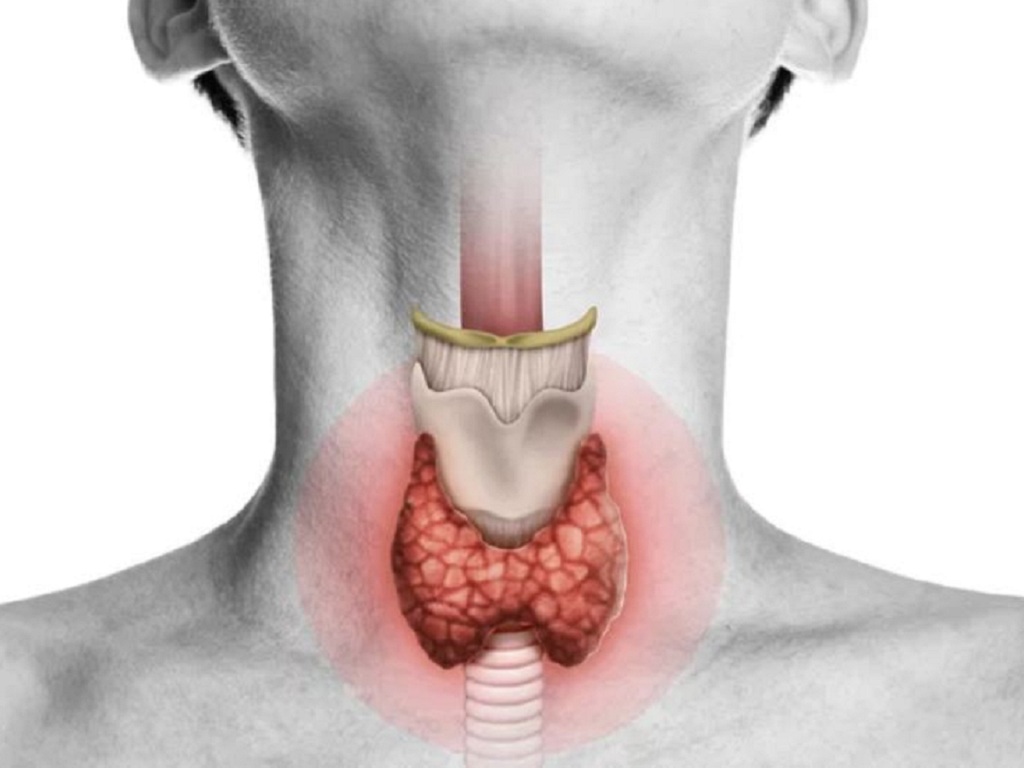
Most thyroid nodules do not cause noticeable symptoms and are discovered incidentally during routine exams or imaging studies.
However, larger nodules may cause:
-
A visible swelling in the neck
-
Difficulty swallowing
-
Hoarseness
-
A sensation of pressure
In rare cases, nodules may produce excess thyroid hormone, leading to symptoms such as rapid heartbeat or unexplained weight loss.
Maintaining Balanced Thyroid Health
To protect thyroid health, doctors generally recommend:
-
Consuming iodine in moderate amounts
-
Avoiding excessive seaweed or iodine supplements
-
Using iodized salt in reasonable quantities
-
Maintaining a balanced diet
-
Undergoing routine thyroid screenings if at risk
The recommended daily iodine intake for adults is approximately 150 micrograms per day. Exceeding this consistently may increase thyroid stress in some individuals.
Should You Avoid Iodine-Rich Foods Completely?
No. Iodine is essential for proper thyroid function. Completely eliminating iodine-rich foods is not advisable unless directed by a healthcare provider.
The key is balance.
Moderate consumption of seafood, iodized salt, and seaweed is generally safe for healthy individuals. Problems arise when intake becomes excessive and prolonged.
Final Thoughts
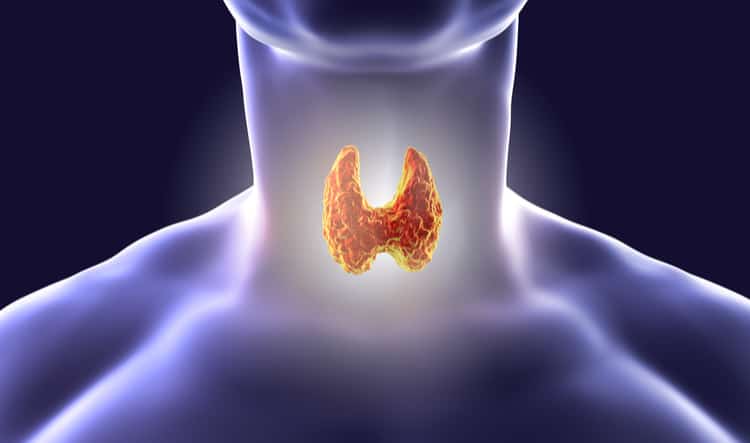
Thyroid nodules are common, and most are not dangerous. However, diet plays an important role in thyroid regulation. Consistently consuming excessive amounts of iodine-rich foods — particularly certain seaweeds or high-dose supplements — may increase the risk of thyroid imbalance and nodule formation in susceptible individuals.
Maintaining a balanced diet, avoiding over-supplementation, and attending regular health checkups are practical steps to protect thyroid health.
As with many aspects of nutrition, moderation is the safest and most sustainable approach.