Doctors Warn: 3 Things Many Stroke Patients Did Shortly Before a Stroke
A stroke rarely comes completely out of nowhere. In many cases, the body shows warning signals—or patients engage in behaviors—that increase the immediate risk. Understanding these patterns is not about fear; it is about prevention.
A stroke occurs when blood flow to part of the brain is interrupted, either by a clot (ischemic stroke) or bleeding (hemorrhagic stroke). Brain cells begin to die within minutes. Rapid recognition and emergency treatment are critical.
Below are three common situations or behaviors frequently reported shortly before a stroke event.


1. Ignoring Sudden Warning Symptoms (Mini-Stroke / TIA)
One of the most common precursors to a major stroke is a Transient Ischemic Attack (TIA)—often called a “mini-stroke.”
Many patients report experiencing brief symptoms hours or days before a full stroke, such as:
-
Sudden numbness or weakness (especially on one side of the body)
-
Temporary vision loss or blurred vision
-
Slurred speech
-
Sudden confusion
-
Brief dizziness or loss of balance
Because these symptoms resolve within minutes or hours, individuals often dismiss them. However, a TIA is a medical emergency and a strong predictor of a major stroke.
Ignoring these early warning signs significantly increases risk.
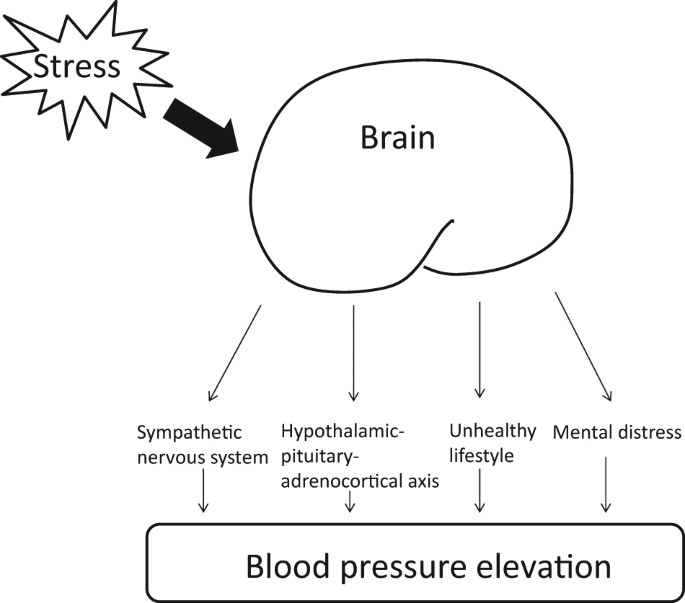
2. Experiencing Uncontrolled Blood Pressure Spikes
Hypertension is the leading risk factor for stroke. Many stroke patients report:
-
Severe headaches
-
Nosebleeds
-
Sudden pressure sensations in the head
-
Skipping blood pressure medication
Sudden spikes in blood pressure can cause blood vessels in the brain to rupture or contribute to clot formation.
Common triggers shortly before stroke include:
-
Intense emotional stress
-
Heavy alcohol intake
-
Excessive salt consumption
-
Sudden physical exertion without conditioning
Blood pressure fluctuations can be silent. Regular monitoring is essential, particularly for high-risk individuals.


3. Dehydration, Immobility, or Prolonged Sitting
Blood clot formation risk increases with:
-
Dehydration
-
Long periods of immobility
-
Extended travel without movement
-
Bed rest without circulation exercises
When blood thickens or pools in the lower extremities, clots can form. In certain cases, these clots may travel to the brain.
Stroke risk may also rise after:
-
Major surgery
-
Severe infections
-
Acute illness
Maintaining hydration and regular movement plays a protective role in vascular health.
Additional Contributing Factors Reported
Many patients also had one or more of the following conditions before stroke:
-
Atrial fibrillation (irregular heartbeat)
-
Diabetes
-
High cholesterol
-
Smoking
-
Previous cardiovascular disease
These chronic conditions weaken blood vessels and promote clot formation over time.
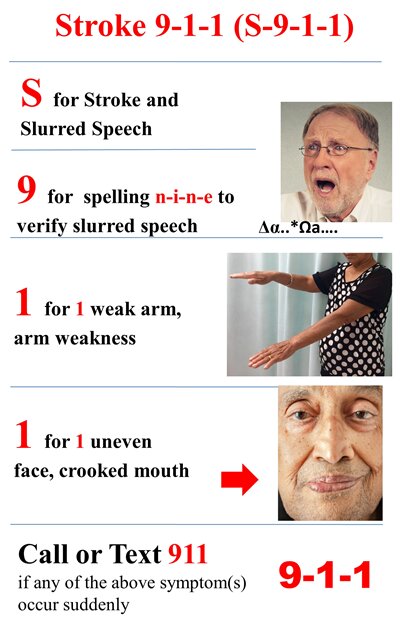
Recognizing Immediate Stroke Symptoms: Act FAST
If stroke symptoms occur, immediate emergency response is critical. Use the FAST method:
-
F – Face: Drooping on one side
-
A – Arms: Weakness or inability to raise one arm
-
S – Speech: Slurred or difficulty speaking
-
T – Time: Call emergency services immediately
Every minute matters. Brain tissue begins to suffer irreversible damage quickly.


Why Awareness Saves Lives
Stroke is one of the leading causes of death and long-term disability worldwide. However, many strokes are preventable through:
-
Blood pressure control
-
Cholesterol management
-
Regular physical activity
-
Smoking cessation
-
Diabetes management
-
Routine medical checkups
Most importantly, never ignore sudden neurological symptoms—even if they disappear.
Final Thoughts
Many stroke patients report one or more of these shortly before their event:
-
Brief neurological warning signs (TIA)
-
Uncontrolled blood pressure spikes
-
Dehydration or prolonged immobility
A stroke does not always arrive without warning. Recognizing risk patterns, managing chronic conditions, and responding quickly to early symptoms can dramatically reduce harm.
When it comes to stroke, rapid action is the difference between recovery and irreversible damage.