8 Signs of Kidney Failure That, If Ignored, May Lead to Lifelong Dialysis
Kidney failure does not usually happen overnight. In most cases, kidney function declines gradually, and the body sends warning signals long before complete failure occurs. Unfortunately, these early signs are often mild, nonspecific, or mistaken for other conditions.
When kidney damage progresses to an advanced stage, dialysis or kidney transplantation may become necessary to sustain life. Recognizing early symptoms can prevent irreversible damage.
Below are eight critical warning signs that should never be ignored.


1. Persistent Fatigue and Weakness
Kidneys produce erythropoietin, a hormone responsible for stimulating red blood cell production. When kidney function declines, anemia often develops.
Symptoms may include:
-
Constant tiredness
-
Reduced stamina
-
Shortness of breath
-
Difficulty concentrating
Fatigue that does not improve with rest warrants medical evaluation.
2. Swelling in the Legs, Ankles, or Face
Impaired kidneys cannot effectively remove excess fluid and sodium. This leads to fluid retention (edema).
Common signs:
-
Puffy eyes in the morning
-
Swollen ankles
-
Tight-fitting shoes
-
Rapid weight gain from fluid accumulation
Persistent swelling is a significant warning sign.


3. Changes in Urination
Alterations in urine are among the earliest kidney failure indicators.
Watch for:
-
Foamy urine (possible protein leakage)
-
Blood in urine
-
Frequent urination at night
-
Reduced urine output
-
Dark or cloudy urine
Any sustained urinary changes should be investigated promptly.
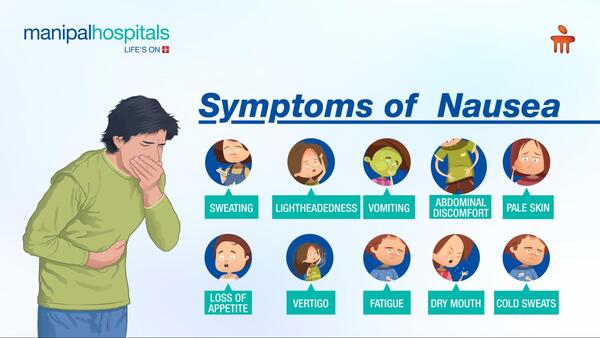
4. Persistent Nausea or Loss of Appetite
When toxins accumulate in the bloodstream due to reduced filtration, digestive symptoms may appear.
These include:
-
Ongoing nausea
-
Vomiting
-
Metallic taste in the mouth
-
Decreased appetite
Toxin buildup (uremia) indicates significant kidney impairment.


5. Muscle Cramps and Electrolyte Imbalance
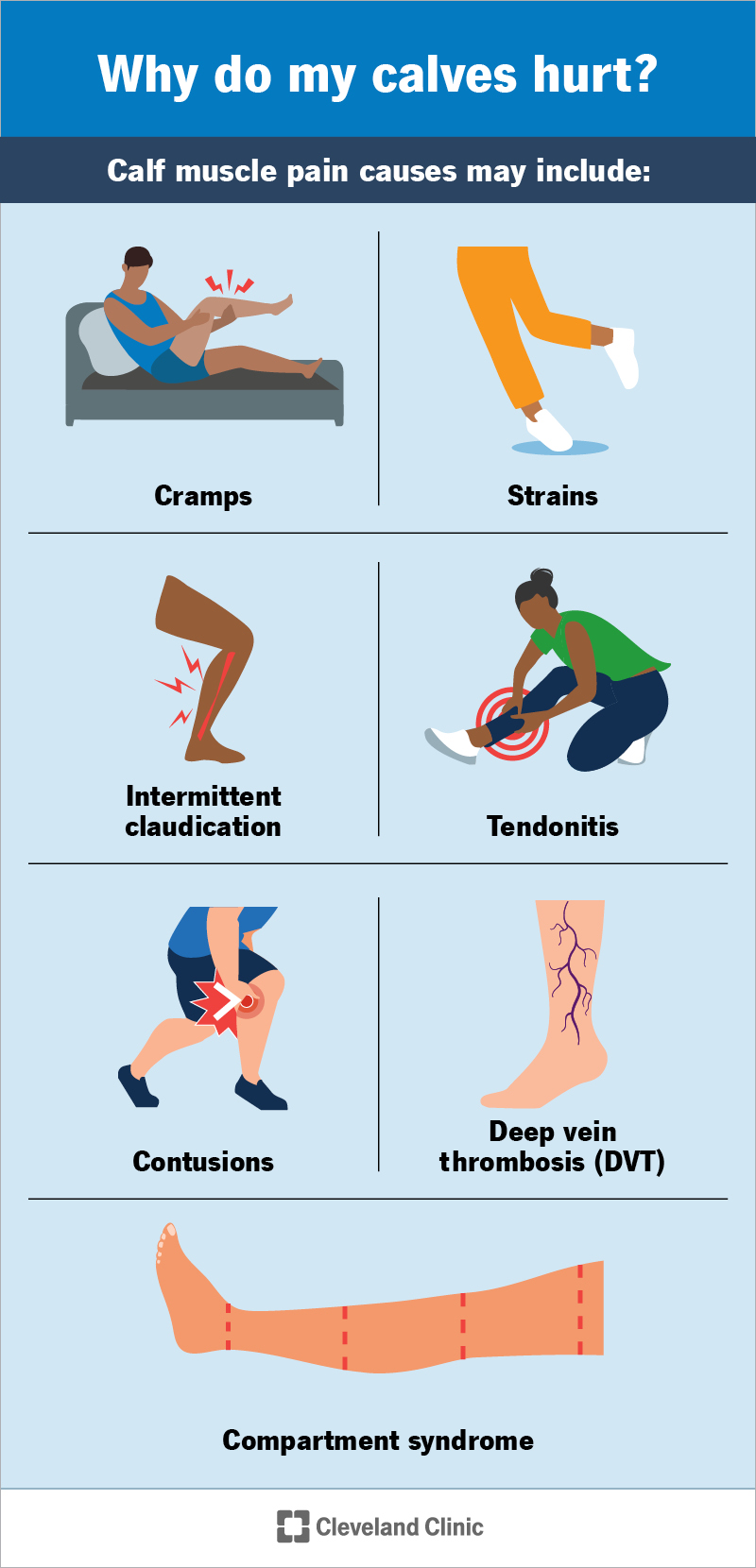
Kidneys regulate electrolytes such as potassium and calcium. When this balance is disrupted, individuals may experience:
-
Muscle cramps
-
Irregular heartbeat
-
Tingling sensations
-
Weakness
Severe electrolyte disturbances can be life-threatening.
6. Itchy or Dry Skin
Kidney failure can lead to mineral imbalances and toxin accumulation that affect the skin.
Symptoms may include:
-
Persistent itching
-
Dry, flaky skin
-
Skin discoloration
Chronic itching without an obvious cause may be linked to kidney dysfunction.


7. Shortness of Breath
Fluid overload may accumulate in the lungs when kidneys cannot remove excess water. Additionally, anemia may contribute to breathlessness.
Sudden or worsening shortness of breath requires immediate medical attention.
8. High Blood Pressure That Is Difficult to Control
Kidneys play a central role in regulating blood pressure. Damaged kidneys can cause hypertension, which in turn further damages kidney tissue—a harmful cycle.
Persistent high blood pressure despite medication should be evaluated for kidney involvement.
When Dialysis Becomes Necessary
Dialysis is typically required when kidney function drops to a critically low level (end-stage renal disease). At this stage, the kidneys can no longer adequately remove waste and excess fluid from the bloodstream.
Preventing progression through early detection and treatment is the primary goal.
Who Is at Higher Risk?
Individuals at increased risk include:
-
People with diabetes
-
Those with high blood pressure
-
Individuals with cardiovascular disease
-
People over age 60
-
Those with a family history of kidney disease
Routine screening is essential in high-risk populations.
Final Thoughts
Kidney failure often progresses silently, but the body provides warning signals long before dialysis becomes necessary.
The eight key signs to remember:
-
Persistent fatigue
-
Swelling
-
Urinary changes
-
Nausea or appetite loss
-
Muscle cramps
-
Itchy or dry skin
-
Shortness of breath
-
Uncontrolled high blood pressure
Early evaluation, regular testing, and management of underlying conditions can prevent irreversible kidney damage.
Listening to subtle symptoms today may prevent lifelong dialysis tomorrow.