Struggling With Poor Circulation, Cold Feet, or Varicose Veins? Try These 6 Simple Steps
Poor circulation in the legs is more than just a cosmetic concern. Cold feet, numbness, heaviness, swelling, and visible varicose veins often signal that blood is not flowing efficiently back to the heart. Over time, circulation problems can increase the risk of clot formation, skin changes, and chronic discomfort.
The good news: many cases of mild to moderate circulation issues can improve significantly with consistent lifestyle adjustments.
Below are six practical steps that support vascular health and promote better blood flow.


1. Move More — Avoid Prolonged Sitting
Extended sitting or standing slows venous return from the legs. When muscles remain inactive, blood pools in the lower extremities.
To improve circulation:
-
Stand up every 30–60 minutes
-
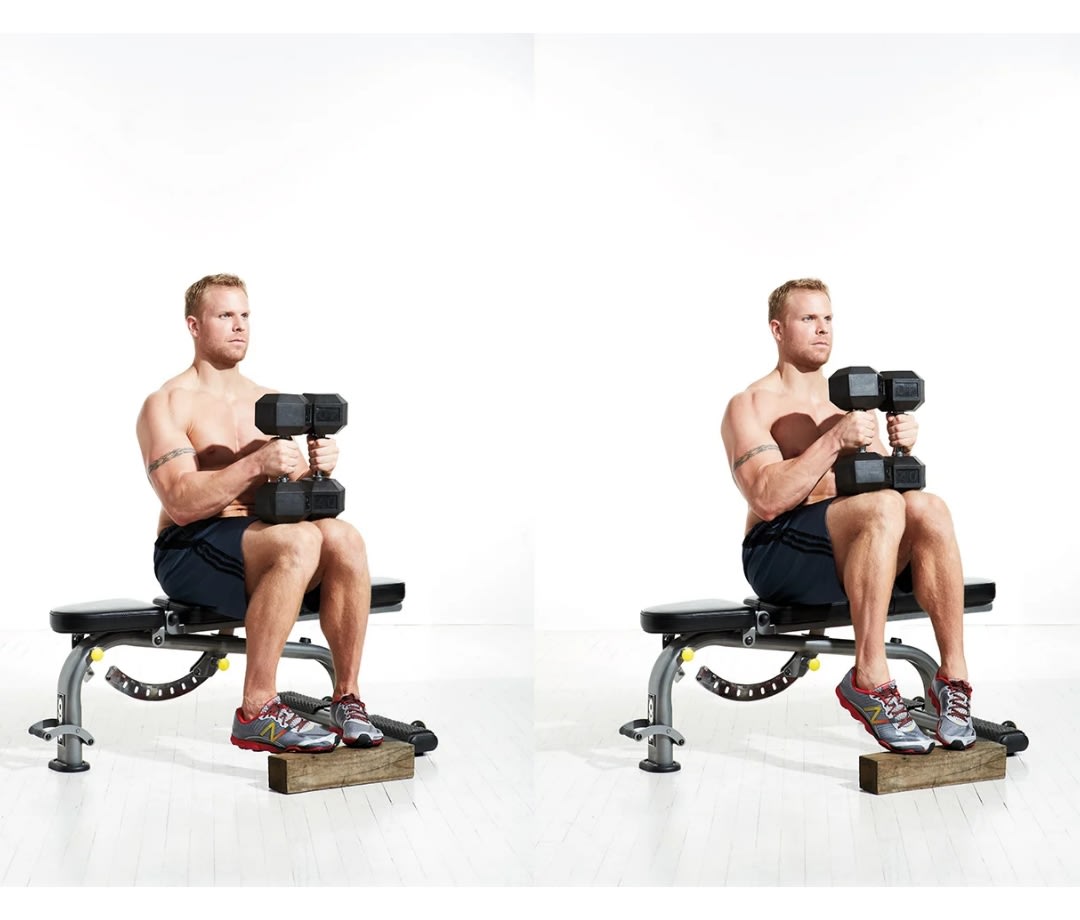
Perform calf raises or ankle rotations
-
Take short walking breaks
-
Avoid crossing legs for long periods
Even small movements activate the calf muscles, which act as a natural pump to push blood upward.
2. Elevate the Legs Daily
Raising the legs above heart level for 15–20 minutes can reduce swelling and improve venous return.
This simple habit:
-
Decreases pressure in leg veins
-
Reduces fluid buildup
-
Eases heaviness and discomfort
Elevation is particularly helpful at the end of the day.


3. Wear Compression Stockings
Medical-grade compression stockings apply graduated pressure to the legs, helping veins move blood more effectively toward the heart.
Benefits include:
-
Reduced swelling
-
Decreased leg fatigue
-
Slower progression of varicose veins
-
Lower risk of clot formation
Compression therapy is especially beneficial for individuals who stand or sit for long work hours.
4. Stay Physically Active
Regular cardiovascular exercise strengthens the heart and improves arterial and venous function.
Recommended activities:
-
Brisk walking
-
Swimming
-
Cycling
-
Low-impact aerobics
Exercise enhances endothelial function and promotes healthy blood vessel elasticity.


5. Maintain a Vascular-Friendly Diet
Nutrition directly impacts blood vessel integrity.
Focus on:
-
High-fiber foods
-
Leafy greens
-
Berries
-
Omega-3 fatty acids
-
Low sodium intake
Limit processed foods and excessive salt, which contribute to fluid retention and increased vascular pressure.
6. Maintain Healthy Body Weight and Avoid Smoking
Excess body weight increases pressure on leg veins, worsening circulation issues.
Smoking damages blood vessels, promotes plaque buildup, and reduces oxygen delivery.
Quitting smoking and maintaining a healthy weight significantly improve long-term vascular health.
When to Seek Medical Evaluation
Consult a healthcare professional if you experience:
-
Sudden leg swelling
-
Severe calf pain
-
Skin discoloration
-
Non-healing wounds
-
Persistent coldness or numbness
These may signal deeper vascular conditions such as peripheral artery disease or deep vein thrombosis.
Final Thoughts
Cold feet, heaviness, and visible veins are often early indicators of circulation challenges. Fortunately, consistent daily habits can substantially improve blood flow and reduce discomfort.
The six key steps to remember:
-
Avoid prolonged sitting
-
Elevate the legs
-
Wear compression stockings
-
Exercise regularly
-
Follow a vascular-friendly diet
-
Maintain healthy weight and avoid smoking
Circulation health is cumulative. Small daily actions create long-term protection for your veins and arteries.