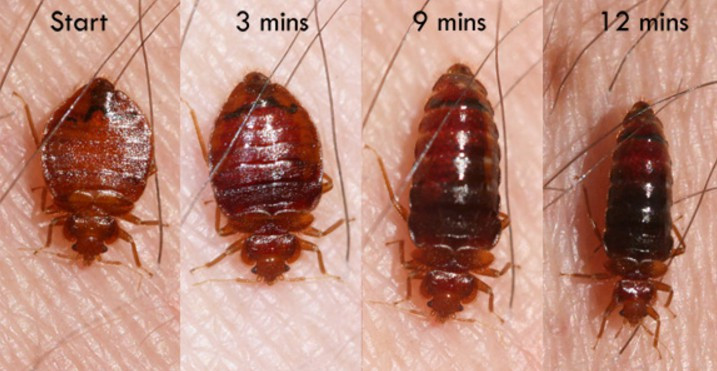
Bed bugs are small, reddish-brown insects that feed on human blood, usually at night. Although they do not transmit serious diseases, their bites can cause itching, allergic reactions, sleep disturbances, and significant psychological stress. Once inside the home, bed bugs can spread quickly through mattresses, furniture, clothing, and small cracks in walls.
While professional pest control is often the most reliable solution for severe infestations, many people prefer to begin with safe and natural approaches — especially in households with children, pets, or individuals sensitive to chemical pesticides.
Below are practical, non-toxic methods that can help reduce or eliminate bed bugs when applied consistently and thoroughly.
1. Heat Treatment – One of the Most Effective Natural Solutions
Bed bugs are highly sensitive to heat. Temperatures above 48–50°C (118–122°F) can kill bed bugs and their eggs.
How to Use Heat at Home
-
Wash bedding, pillowcases, and clothing in hot water (at least 60°C / 140°F).
-
Dry items on high heat for at least 30 minutes.
-
Use a handheld garment steamer on mattresses, bed frames, and upholstered furniture.
Steam penetrates fabrics and cracks, killing insects on contact.
Important: Move the steamer slowly to ensure adequate heat exposure.
2. Vacuuming Thoroughly and Regularly
Vacuuming physically removes bed bugs, eggs, and debris.
Steps for Effective Vacuuming
-
Focus on mattress seams and edges.
-
Vacuum bed frames, baseboards, carpets, and nearby furniture.
-
Use a narrow nozzle attachment to reach cracks and crevices.
Immediately dispose of the vacuum bag in a sealed plastic bag outside the home to prevent reinfestation.
Vacuuming alone will not eliminate an infestation but significantly reduces the population.
3. Diatomaceous Earth (Food Grade)
Food-grade diatomaceous earth is a natural powder made from fossilized algae. It works by damaging the protective outer layer of insects, causing them to dehydrate.
How to Apply
-
Lightly dust cracks, baseboards, mattress edges, and bed frame joints.
-
Leave it in place for several days.
-
Vacuum excess powder afterward.
Only use food-grade diatomaceous earth, not pool-grade varieties, which are unsafe for indoor use.
Avoid inhaling the powder during application.
4. Mattress and Pillow Encasements
Encasing mattresses and pillows in specially designed bed bug-proof covers traps any remaining insects inside and prevents new ones from entering.
Encasements:
-
Cut off hiding spots
-
Prevent feeding
-
Help monitor ongoing activity
Keep covers on for at least 12 months, as bed bugs can survive for extended periods without feeding.
![Phương pháp] Không nằm trong chăn sao biết chăn có rận: sự phân biệt giữa định lượng và định tính – Pragmatic Socioscope](https://kiensociology.wordpress.com/wp-content/uploads/2019/08/f660c-chan2bco2bran.jpg)
5. Reduce Clutter
Clutter creates hiding places and makes treatment more difficult.
Decluttering helps:
-
Expose infestation areas
-
Improve cleaning efficiency
-
Reduce safe harborage spots
Store cleaned items in sealed plastic containers until the infestation is controlled.
6. Cold Treatment for Small Items
Bed bugs cannot survive prolonged freezing.
For small objects:
-
Seal items in airtight plastic bags.
-
Place them in a freezer at -18°C (0°F) for at least 4 days.
This method works well for shoes, books, and delicate fabrics that cannot be washed.
7. Essential Oils (Limited Effectiveness)
Some essential oils — such as tea tree oil, lavender oil, or peppermint oil — are believed to repel bed bugs.
However:
-
They may repel but do not reliably kill infestations.
-
They should only be used as supplementary measures.
Never rely solely on essential oils for full elimination.
8. Seal Cracks and Entry Points
After cleaning and treating:
-
Seal wall cracks and baseboard gaps with caulk.
-
Repair loose wallpaper.
-
Tighten electrical outlet covers.
This reduces hiding spots and limits spread.
Important Considerations
Natural methods are most effective during early or mild infestations. Severe infestations may require professional heat treatment or integrated pest management.
Signs of ongoing infestation include:
-
Live insects
-
Dark spots on bedding (fecal stains)
-
Blood stains on sheets
-
Persistent bites
If bed bugs persist after several weeks of consistent effort, consult a licensed pest control professional.
Preventing Future Infestations
To reduce the risk of recurrence:
-
Inspect hotel beds when traveling.
-
Avoid bringing second-hand furniture into your home without inspection.
-
Wash travel clothing immediately after returning home.
-
Use protective mattress covers long-term.
Prevention is often easier than elimination.
Final Thoughts
Bed bugs can be distressing, but safe and natural methods such as heat treatment, thorough cleaning, vacuuming, diatomaceous earth, and encasements can significantly reduce infestations when applied carefully and consistently.
While chemical treatments may sometimes be necessary, starting with non-toxic, environmentally friendly approaches is a responsible and often effective first step.
Persistence, thoroughness, and prevention are key to reclaiming a comfortable and pest-free home.