9 Common Early Warning Signs of Cancer in Young Children
Cancer in children is rare, but when it occurs, early detection dramatically improves survival rates. Unlike many adult cancers, childhood cancers are not typically linked to lifestyle factors. They often develop rapidly and may initially resemble common illnesses.
Parents and caregivers should not panic over every symptom. However, persistent, unexplained, or worsening signs should always be evaluated by a pediatrician.
Below are nine early warning signs that warrant prompt medical assessment.



1. Unexplained Persistent Fever
Occasional fever is normal in children. However, a fever that:
-
Persists without infection
-
Returns repeatedly
-
Does not respond to usual treatment
may require further investigation.
2. Unusual Bruising or Bleeding
Frequent bruises, nosebleeds, or bleeding gums without injury may indicate problems with blood cells.
Watch for:
-
Large unexplained bruises
-
Tiny red or purple spots (petechiae)
-
Prolonged bleeding from minor cuts
These can be associated with blood-related cancers such as leukemia.
3. Persistent Fatigue or Weakness
Children naturally have high energy. A noticeable decline in activity, unusual sleepiness, or pallor may signal anemia or other systemic issues.
Fatigue that does not improve over time should not be ignored.


4. Persistent Bone or Joint Pain
Growing pains are common. However, pain that:
-
Worsens at night
-
Causes limping
-
Persists for weeks
-
Occurs without injury
should be evaluated.
5. Swelling or Lump That Does Not Go Away
Any unexplained mass in the abdomen, neck, chest, or limbs that:
-
Continues to grow
-
Does not resolve
-
Is firm or painless
requires medical assessment.
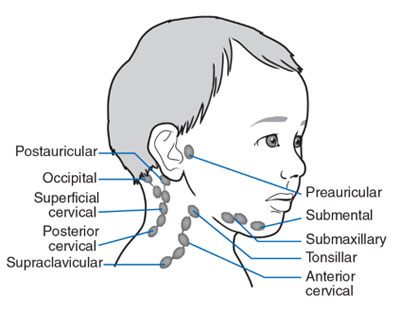
6. Swollen Lymph Nodes That Persist
Lymph nodes often swell during infections. However, nodes that remain enlarged for several weeks without infection should be checked.
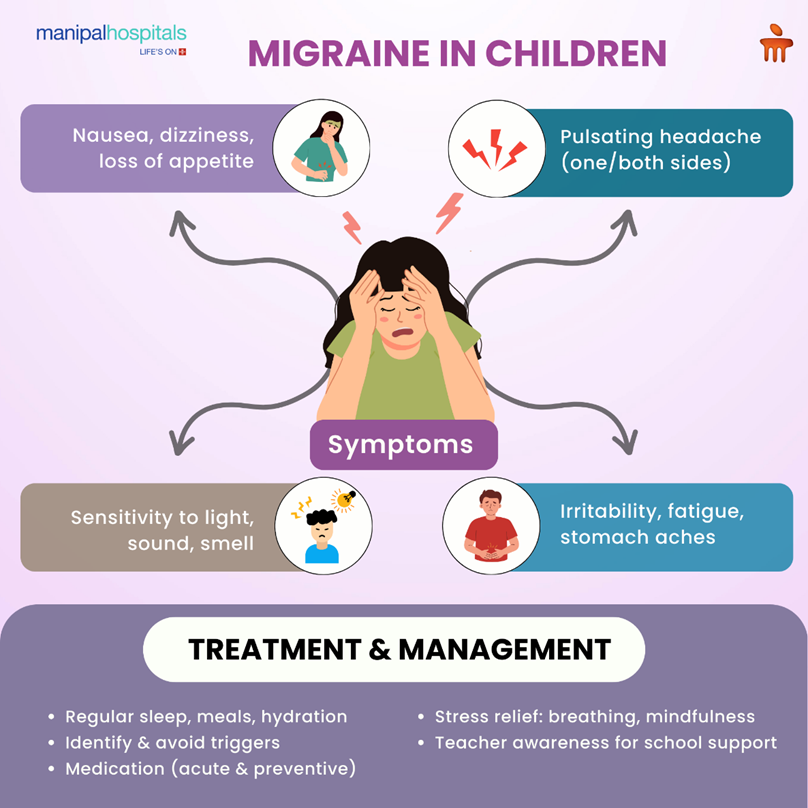


7. Frequent Headaches with Vomiting
Headaches accompanied by:
-
Early morning vomiting
-
Vision changes
-
Balance problems
may require neurological evaluation.
8. Unexplained Weight Loss or Loss of Appetite
Significant, unintended weight loss or persistent refusal to eat may indicate underlying illness.
9. Abdominal Swelling or Ongoing Pain
A visibly swollen abdomen, ongoing stomach pain, or constipation that does not improve should be evaluated.
Important Perspective
Most of these symptoms are far more likely to be caused by common childhood illnesses rather than cancer. However, what distinguishes serious concerns is:
-
Persistence
-
Worsening over time
-
Lack of clear explanation
Early medical evaluation does not mean a cancer diagnosis—it ensures that serious conditions are ruled out.
When to Seek Immediate Medical Care
Urgent evaluation is needed if a child experiences:
-
Sudden neurological symptoms
-
Severe, unexplained bleeding
-
Rapidly growing mass
-
Difficulty breathing
Final Thoughts
Childhood cancers are uncommon, but awareness is important. The nine warning signs to monitor include:
-
Persistent fever
-
Unusual bruising or bleeding
-
Extreme fatigue
-
Ongoing bone pain
-
Unexplained lumps
-
Persistent swollen lymph nodes
-
Headaches with vomiting
-
Unintended weight loss
-
Abdominal swelling or pain
If symptoms are persistent or concerning, consult a pediatric healthcare provider promptly.
Early detection saves lives. Calm awareness—not panic—is the most effective approach.