The liver is one of the most vital organs in the human body. It performs hundreds of essential functions, including filtering toxins from the bloodstream, metabolizing nutrients, regulating blood sugar, producing bile for digestion, and storing important vitamins and minerals. Because it works constantly, maintaining liver health is critical for overall well-being.
While no single food can “detox” or cure liver disease, certain vegetables and fruits contain nutrients and plant compounds that support liver function, reduce inflammation, and help protect liver cells from oxidative stress. Incorporating these foods regularly into a balanced diet can contribute to long-term liver health.
Below are four vegetables and two fruits known for their supportive role in maintaining a healthy liver.
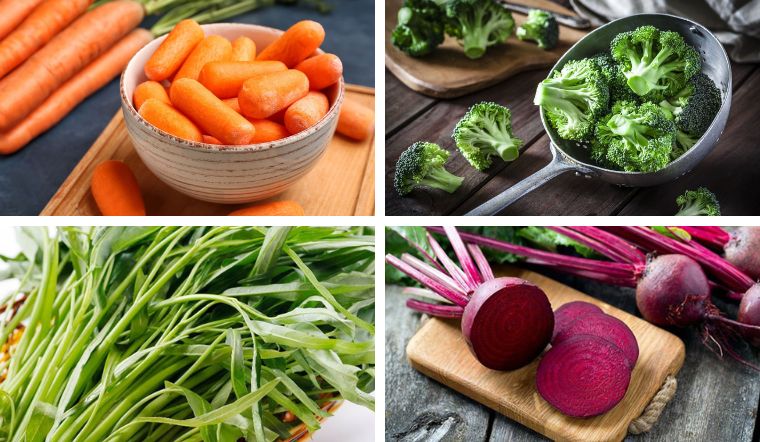
1. Broccoli – A Cruciferous Detox Supporter
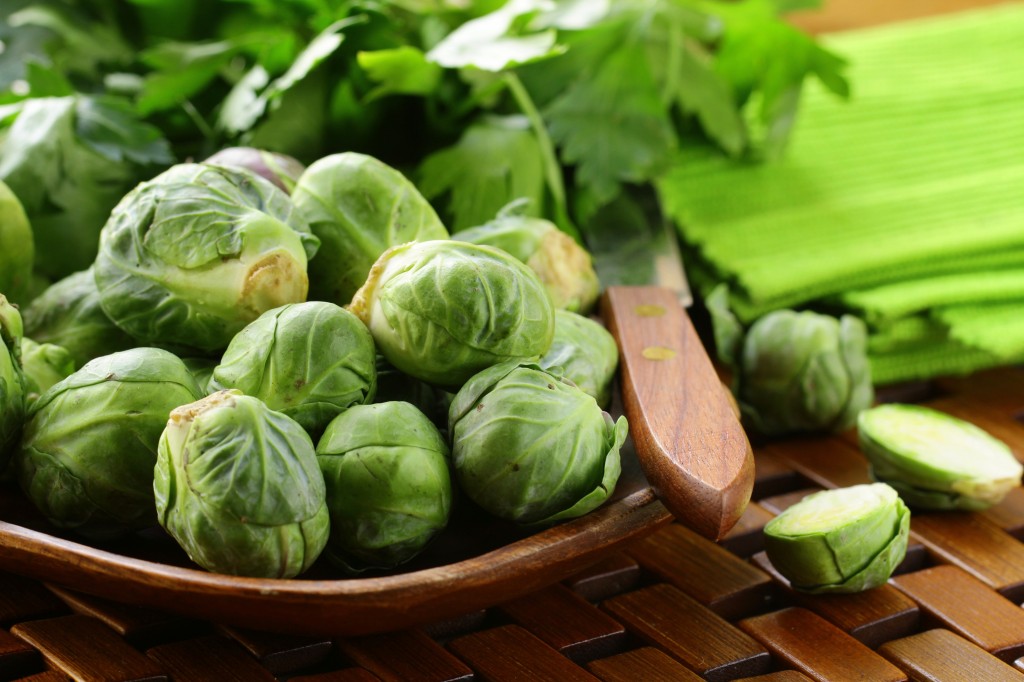
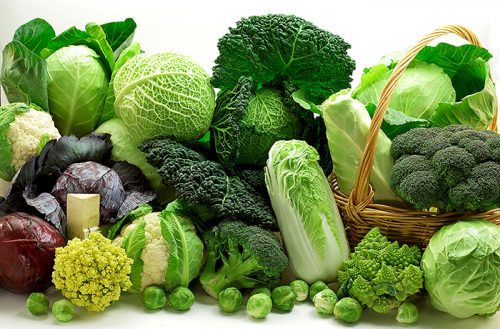
Broccoli belongs to the cruciferous vegetable family, which also includes cauliflower, kale, and Brussels sprouts. These vegetables contain compounds called glucosinolates that help activate liver detoxification enzymes.
Potential benefits:
-
Supports natural detox pathways
-
Helps reduce oxidative stress
-
May assist in reducing fat accumulation in the liver
Broccoli is also rich in fiber, vitamin C, and antioxidants, all of which contribute to metabolic balance.
For best results, lightly steam or sauté broccoli rather than overcooking it, as excessive heat can reduce some beneficial compounds.
2. Spinach – A Leafy Green for Liver Protection
Spinach and other leafy greens are high in chlorophyll, which may help the body neutralize toxins and reduce liver workload. Spinach is also rich in antioxidants, iron, and magnesium.
Research suggests that regular consumption of leafy greens may help lower the risk of fatty liver disease by reducing oxidative stress and supporting healthy metabolism.
Adding spinach to salads, smoothies, or lightly cooked dishes is an easy way to incorporate it into daily meals.
3. Garlic – A Natural Activator of Liver Enzymes
Garlic contains sulfur compounds that help activate liver enzymes responsible for flushing out toxins. It also contains selenium, a mineral that supports antioxidant function.
Potential liver-supporting effects include:
-
Assisting detoxification processes
-
Supporting fat metabolism
-
Reducing inflammation
Using fresh garlic in cooking may enhance flavor while contributing to liver-friendly nutrition.
4. Carrots – Rich in Beta-Carotene
Carrots are rich in beta-carotene, a precursor to vitamin A, which supports cellular health. They also provide fiber and antioxidants that may help protect liver cells from oxidative damage.
Some studies suggest that diets rich in colorful vegetables, including carrots, are associated with improved liver enzyme levels and reduced inflammation.
Carrots can be eaten raw, roasted, or blended into juices for variety.
5. Blueberries – Antioxidant Power for Liver Cells
Blueberries are rich in anthocyanins, powerful antioxidants that help reduce oxidative stress. Oxidative damage is one of the contributors to liver inflammation and long-term liver conditions.
Potential benefits:
-
Protecting liver cells from damage
-
Supporting immune balance
-
Reducing inflammation
Regular consumption of berries may support overall metabolic health, indirectly benefiting liver function.
6. Grapefruit – Vitamin C and Antioxidant Support
Grapefruit contains vitamin C and antioxidants such as naringenin and naringin. These compounds may help reduce inflammation and protect liver tissue.
Some research suggests that grapefruit compounds may help:
-
Support fat metabolism
-
Reduce oxidative stress
-
Promote healthy liver enzyme activity
However, grapefruit can interact with certain medications, so individuals taking prescription drugs should consult their healthcare provider before consuming it regularly.
Why These Foods Matter
The liver constantly processes nutrients and filters substances from the bloodstream. A diet high in processed foods, sugar, and unhealthy fats can place strain on liver function.
Vegetables and fruits rich in fiber, antioxidants, and anti-inflammatory compounds help:
-
Reduce oxidative stress
-
Support metabolic balance
-
Maintain healthy liver cells
-
Assist natural detoxification pathways
They do not replace medical treatment, but they contribute to a supportive dietary foundation.
Additional Tips for Liver Health
Beyond diet, maintaining liver health involves:
-
Limiting alcohol intake
-
Staying physically active
-
Maintaining a healthy weight
-
Drinking adequate water
-
Avoiding unnecessary medications
-
Managing blood sugar and cholesterol
Liver health depends on consistent daily habits rather than short-term “cleansing” trends.
Final Thoughts
Keeping your liver healthy does not require extreme diets or supplements. Simple, consistent choices — such as eating broccoli, spinach, garlic, carrots, blueberries, and grapefruit regularly — can help provide the nutrients your liver needs to function optimally.
Combined with balanced nutrition and a healthy lifestyle, these foods support one of the hardest-working organs in your body.
Protecting your liver today helps protect your overall health for years to come.