Kidney Health Alert: Key Warning Signs That Require Immediate Attention
The kidneys play a vital role in filtering waste, balancing fluids, regulating blood pressure, and maintaining electrolyte stability. When kidney function begins to decline, the body often sends subtle warning signals. Unfortunately, these early symptoms are frequently overlooked or mistaken for minor health issues.
Because kidney disease can progress silently, recognizing red flags early is critical. Prompt evaluation can prevent permanent damage and life-threatening complications.
Below are the most important warning signs that demand immediate medical attention.


1. Persistent Lower Back or Flank Pain
Pain located on either side of the lower back—just below the rib cage—may signal kidney involvement.
This pain may:
-
Feel deep and aching
-
Occur on one or both sides
-
Radiate toward the abdomen or groin
-
Intensify suddenly in cases of kidney stones
Unlike muscular back pain, kidney pain is often constant and not relieved by position changes.
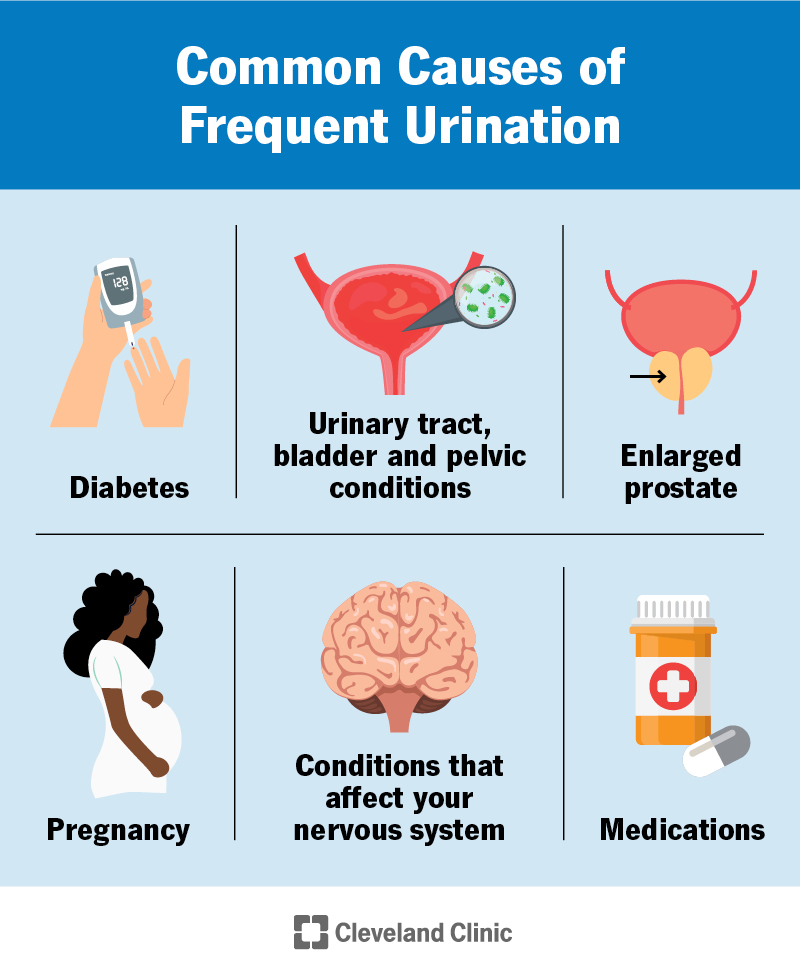
2. Changes in Urination Patterns
Kidney dysfunction frequently alters urine output and appearance.
Warning changes include:
-
Urinating more or less than usual
-
Foamy or bubbly urine (possible protein loss)
-
Dark, cloudy, or bloody urine
-
Pain or burning during urination
-
Frequent nighttime urination
Because kidneys regulate waste removal, any persistent change in urine should be evaluated promptly.


3. Swelling in the Face, Hands, or Feet
When kidneys fail to eliminate excess fluid and sodium effectively, fluid retention develops.
Common signs include:
-
Puffy eyes
-
Swollen ankles or feet
-
Tight shoes due to foot swelling
-
Rapid weight gain from fluid buildup
Edema may indicate declining kidney filtration capacity and requires immediate assessment.
4. Persistent Fatigue and Weakness
Kidneys produce erythropoietin—a hormone that stimulates red blood cell production. When kidney function declines, anemia may develop.
Symptoms may include:
-
Chronic fatigue
-
Shortness of breath
-
Pale skin
-
Dizziness
Fatigue related to kidney disease often persists despite adequate rest.



5. Nausea, Vomiting, or Loss of Appetite
As toxins accumulate in the bloodstream due to impaired filtration, gastrointestinal symptoms may occur.
These can include:
-
Persistent nausea
-
Vomiting
-
Metallic taste in the mouth
-
Decreased appetite
Toxin buildup (uremia) is a serious sign that kidney function may be significantly compromised.
6. High Blood Pressure That Is Difficult to Control
Kidneys help regulate blood pressure. When damaged, they may contribute to persistent or worsening hypertension.
Uncontrolled high blood pressure can:
-
Accelerate kidney damage
-
Increase risk of heart disease
-
Lead to stroke
Hypertension and kidney disease often reinforce each other in a harmful cycle.
7. Shortness of Breath
Fluid overload from kidney failure can accumulate in the lungs, leading to breathing difficulties. Additionally, anemia from reduced erythropoietin production may cause breathlessness.
Sudden or severe shortness of breath requires urgent medical care.
Who Is at Higher Risk?
Individuals with the following conditions face increased risk:
-
Diabetes
-
High blood pressure
-
Family history of kidney disease
-
Cardiovascular disease
-
Autoimmune disorders
Routine screening is essential for those in high-risk groups.
Why Early Detection Is Critical
Chronic kidney disease often progresses gradually and may remain unnoticed until significant damage has occurred. Once kidney tissue is permanently scarred, recovery becomes limited.
Early detection allows for:
-
Medication to slow progression
-
Blood pressure control
-
Dietary modifications
-
Monitoring and preventive strategies
Prompt intervention can delay or prevent dialysis and kidney failure.