Kidney Failure Is Silent — Remember to Do This to Prevent It
Kidney failure rarely begins with dramatic symptoms. In many cases, kidney function declines gradually over months or even years without obvious warning. By the time symptoms become noticeable, significant damage may already have occurred.
The kidneys are responsible for filtering waste, regulating blood pressure, balancing electrolytes, and maintaining fluid levels. When these functions deteriorate, the effects ripple throughout the entire body.
Understanding prevention is critical—because kidney failure is often silent until advanced stages.


Why Kidney Failure Is Called a “Silent” Condition
Early chronic kidney disease (CKD) may produce no symptoms. Routine blood or urine tests often detect problems before a person feels unwell.
When symptoms eventually appear, they may include:
-
Fatigue
-
Swelling in ankles or face
-
Changes in urination
-
Nausea
-
Shortness of breath
However, these signs usually develop in later stages.
That is why prevention and early monitoring are essential.
The Most Important Things to Do to Prevent Kidney Failure
1. Control Blood Pressure
High blood pressure is one of the leading causes of kidney damage.
To protect kidney function:
-
Monitor blood pressure regularly
-
Follow prescribed medication plans
-
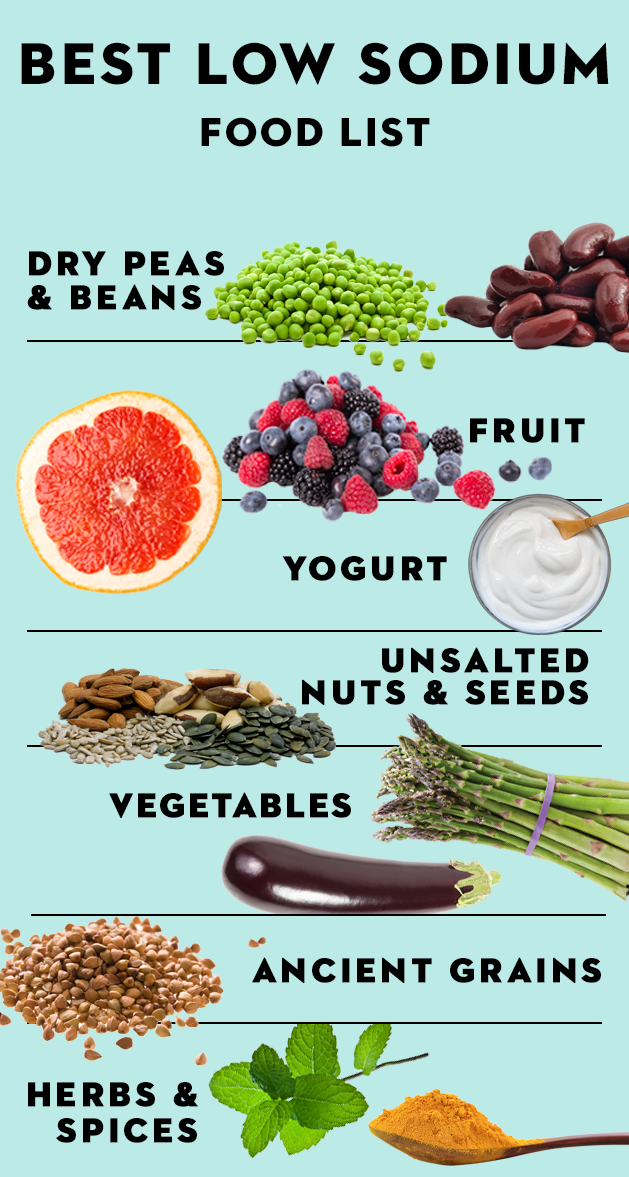
Reduce salt intake
-
Maintain a healthy weight
Consistent blood pressure control reduces strain on the kidneys.
2. Manage Blood Sugar Levels
Diabetes is another primary cause of kidney failure.
Excess glucose damages the tiny filtering units (glomeruli) within the kidneys. Strict blood sugar control can significantly slow progression.
Key actions include:
-
Routine glucose monitoring
-
Following dietary recommendations
-
Taking medications or insulin as prescribed
-
Regular medical check-ups


3. Stay Hydrated — But Avoid Excess
Adequate hydration supports kidney filtration. However, excessive fluid intake does not “flush” the kidneys beyond normal function.
Drink water consistently throughout the day unless a physician advises fluid restriction.
4. Avoid Overuse of Painkillers
Nonsteroidal anti-inflammatory drugs (NSAIDs), when used frequently or in high doses, can harm kidney tissue.
Chronic pain medication use should always be supervised by a healthcare provider.
5. Maintain a Heart-Healthy Lifestyle
Kidney and heart health are closely connected.
Protect both by:
-
Exercising regularly
-
Avoiding smoking
-
Managing cholesterol
-
Limiting processed foods
-
Reducing excessive alcohol intake
Healthy circulation supports kidney filtration.



6. Get Regular Kidney Function Tests
Simple laboratory tests can detect kidney problems early:
-
Blood creatinine test
-
Estimated glomerular filtration rate (eGFR)
-
Urine albumin test
Individuals with diabetes, hypertension, or family history should test annually or as advised by their physician.
Who Is at Higher Risk?
Higher-risk individuals include:
-
People with diabetes
-
Those with high blood pressure
-
Individuals over age 60
-
People with cardiovascular disease
-
Those with family history of kidney disease
Early screening is especially important in these groups.
When to Seek Medical Attention
Seek evaluation if you experience:
-
Persistent swelling
-
Decreased urine output
-
Foamy or bloody urine
-
Severe fatigue
-
Shortness of breath
Sudden symptoms may indicate acute kidney injury, which requires urgent care.
Final Thoughts
Kidney failure develops quietly. The absence of symptoms does not guarantee healthy kidney function.
To prevent kidney failure:
-
Control blood pressure
-
Manage blood sugar
-
Stay properly hydrated
-
Avoid unnecessary medication overuse
-
Maintain a heart-healthy lifestyle
-
Get routine kidney function testing
Prevention begins long before symptoms appear. Proactive monitoring and healthy habits remain the strongest defense against silent kidney damage.
Protecting kidney health today helps preserve long-term quality of life.