If Your Doctor Orders a Colonoscopy, Here’s What You Should Know
A colonoscopy is one of the most effective tools for detecting colorectal cancer, polyps, and other intestinal conditions. While the idea of the procedure may feel uncomfortable or intimidating, it remains the gold standard for early detection and prevention.
If a doctor recommends a colonoscopy, it is not a random decision. The recommendation is typically based on age, symptoms, family history, or abnormal screening results.
Before declining or feeling anxious, it is important to understand why the test is advised and what it actually involves.



Why Doctors Recommend a Colonoscopy
A colonoscopy allows direct visualization of the entire large intestine using a flexible camera. It can:
-
Detect early-stage colon cancer
-
Identify and remove precancerous polyps
-
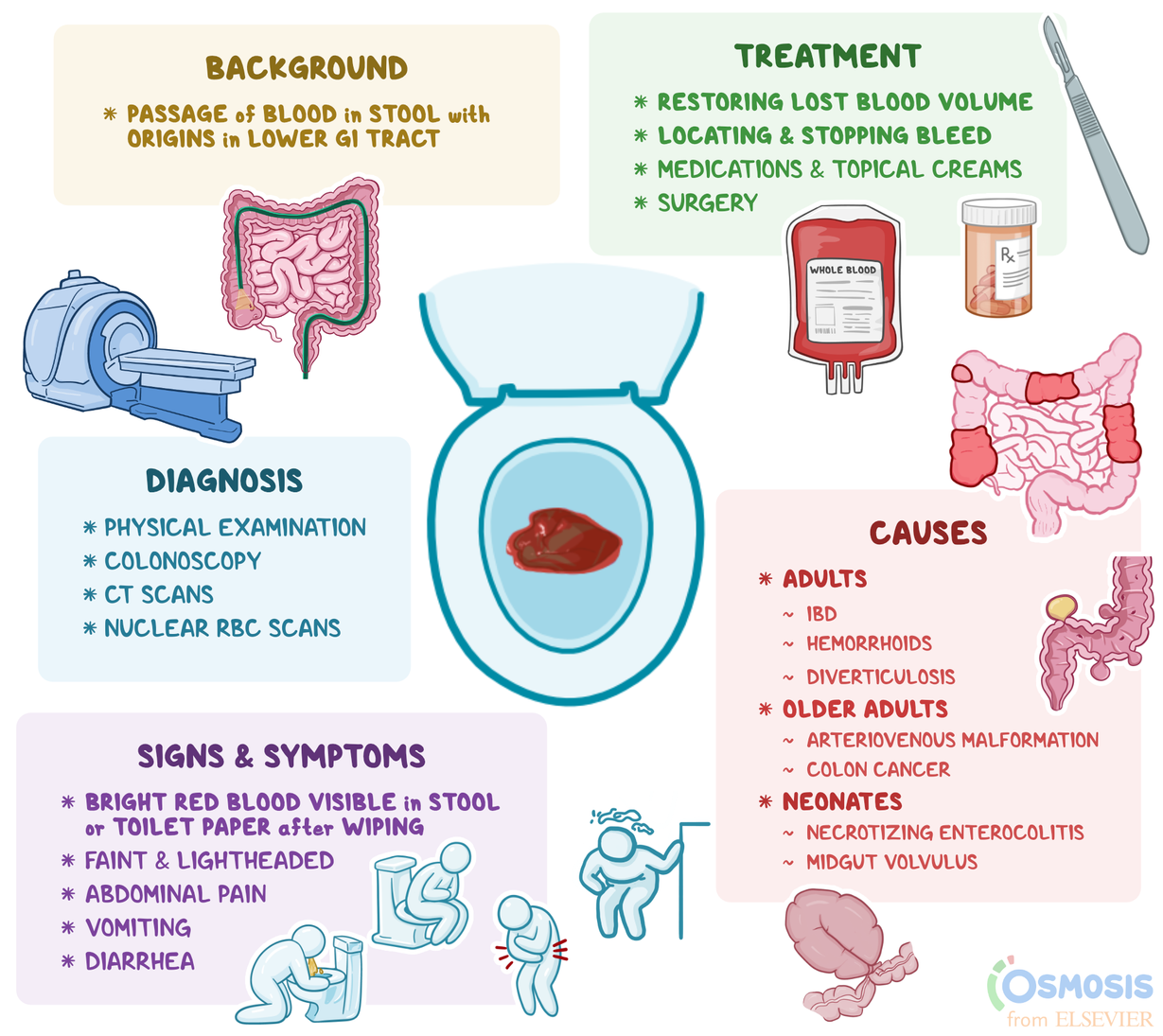
Investigate unexplained bleeding
-
Evaluate persistent digestive symptoms
-
Clarify abnormal stool test results
Unlike many screening tests, a colonoscopy is both diagnostic and therapeutic—meaning problems can often be treated during the same procedure.
When Is a Colonoscopy Usually Recommended?
Common reasons include:
-
Age 45 or older for routine screening
-
Family history of colorectal cancer
-
Blood in the stool
-
Persistent abdominal pain
-
Unexplained weight loss
-
Iron-deficiency anemia
-
Chronic changes in bowel habits
Early detection dramatically improves survival rates.


If You Have Concerns, Say This Instead of Refusing
If anxiety, cost, preparation, or medical concerns are the issue, communicate clearly with the healthcare provider. For example:
-
“Can we discuss why this test is necessary in my case?”
-
“Are there alternative screening methods suitable for me?”
-
“What are the risks and benefits based on my medical history?”
-
“Can you explain how to prepare safely?”
Open dialogue leads to informed decisions.
Are There Alternatives?
Depending on individual risk factors, alternatives may include:
-
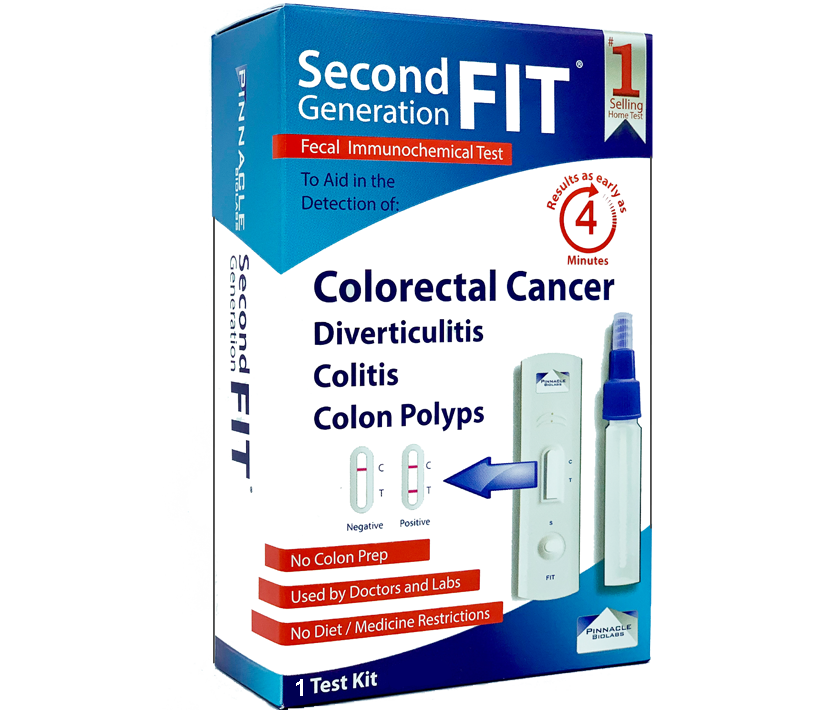
Fecal immunochemical test (FIT)
-
Stool DNA testing
-
CT colonography
However, these tests cannot remove polyps. If results are abnormal, a colonoscopy is still required.


Is the Procedure Painful?
Most colonoscopies are performed under sedation. Patients typically:
-
Feel little to no pain
-
Do not remember the procedure
-
Resume normal activities within 24 hours
Preparation (bowel cleansing) is often considered the most inconvenient part, but it is temporary and essential for accurate results.
Why Avoiding the Test Can Be Risky
Colorectal cancer often develops silently. Early stages may produce no symptoms. Waiting until symptoms appear can mean the disease is more advanced.
Routine screening can prevent cancer entirely by removing polyps before they become malignant.
When You Should Not Delay
Do not postpone evaluation if experiencing:
-
Rectal bleeding
-
Persistent bowel changes
-
Severe abdominal pain
-
Unexplained fatigue or anemia
Delays can significantly affect outcomes.
Final Thoughts
If a doctor recommends a colonoscopy, it is usually based on clinical guidelines and risk assessment—not guesswork.
Instead of immediately declining, ask informed questions:
-
Why is it necessary?
-
What are the benefits?
-
Are there alternatives?
-
What are the risks?
Early detection saves lives. A colonoscopy is not just a test—it is a preventive measure that can stop colorectal cancer before it starts.
Making an informed decision with medical guidance is always the safest approach.