When money is tight, it’s natural to hold on to things “just in case.” Many people grow up believing that nothing should be wasted, especially if it can still be used. However, there are certain items that cost far more to keep than to replace. In fact, holding onto them can harm your health, damage your home, and create unnecessary stress.
No matter how poor you are, don’t keep these four things — throw them away as soon as possible.
1. Chipped or Cracked Dishes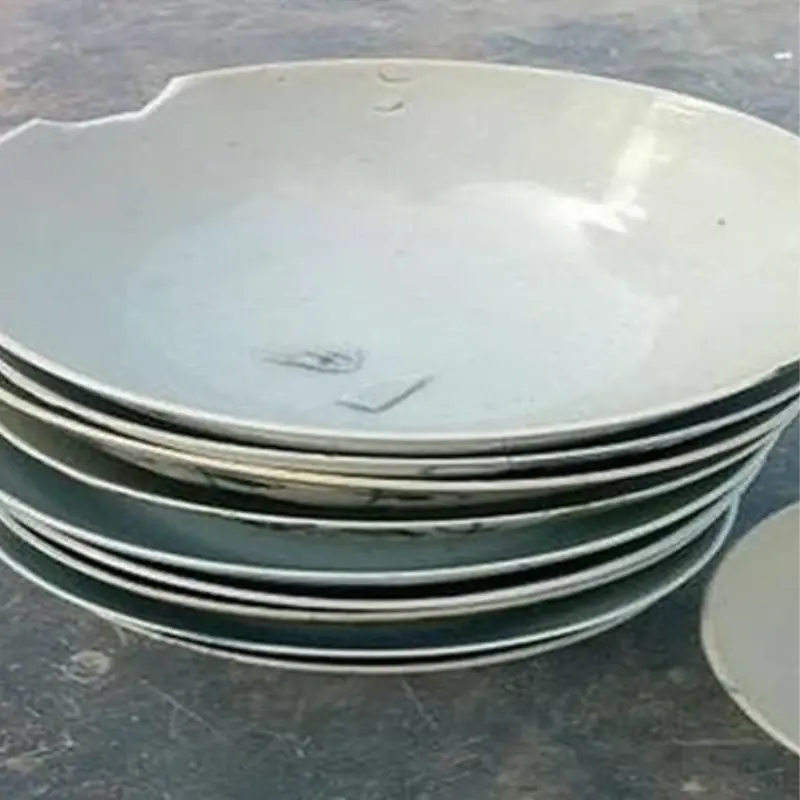
At first glance, a slightly chipped bowl or cracked plate may seem harmless. It still holds food, and replacing it costs money. But damaged dishes are more dangerous than they appear.
Cracks and chips create tiny crevices where bacteria can grow. Even thorough washing may not fully remove germs trapped in these spaces. Over time, this can increase the risk of food contamination and illness. Additionally, cracks can worsen with heat exposure in microwaves or dishwashers, potentially causing the dish to break while in use.
There is also the physical risk. A sharp edge from a chipped plate can cut your hand or lips. Medical treatment for a cut will cost far more than a new bowl.
If a dish is damaged, it’s better to let it go. Your health and safety are worth more than the small savings.
2. Moldy or Stained Pillows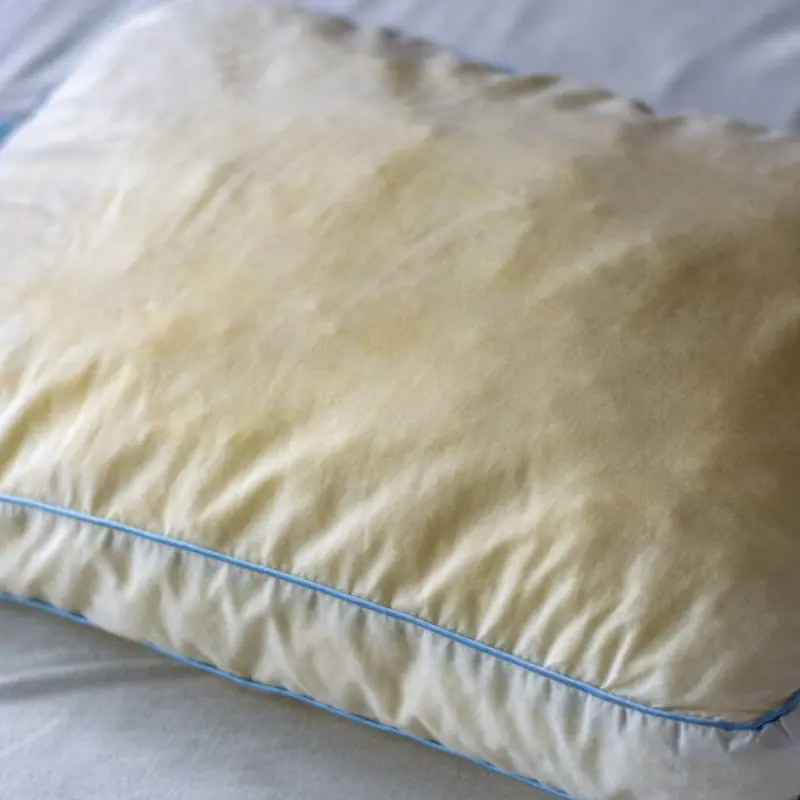
Pillows are often overlooked because they are covered by pillowcases. However, over time, they absorb sweat, oils, saliva, and dust mites. If you notice yellowing, dark stains, or a musty smell, it may be a sign of mold or bacterial buildup.
Sleeping on a contaminated pillow can lead to allergies, skin irritation, respiratory issues, and poor sleep quality. For people with asthma or sensitive skin, the effects can be even worse.
A pillow is something you use for 6–8 hours every night. If it is unhygienic, it directly affects your well-being. Even if replacing it feels like a luxury, it is actually a health investment.
If washing doesn’t remove the odor or stains completely, it’s time to throw it away.
3. Expired Personal Care and Medicine Products
Many people keep expired cosmetics, skincare products, or medications because “they still look fine.” This can be a serious mistake.
Expired medicines may lose effectiveness or become unsafe. Taking outdated medication could delay proper treatment or cause unexpected side effects. Similarly, old cosmetics and skincare products can harbor bacteria, leading to skin infections, rashes, or breakouts.
Check expiration dates regularly. If a product is past its safe usage period, dispose of it properly. Your health should never be compromised for the sake of saving a little money.
4. Broken Electrical Appliances
A malfunctioning electrical appliance is not just inconvenient — it can be dangerous. Frayed cords, exposed wires, overheating plugs, or flickering devices can increase the risk of electrical shock or fire.
Some people try to “make do” with damaged electronics because repairs or replacements seem expensive. But a house fire or electrical injury would be far more devastating financially and emotionally.
If an appliance shows clear signs of damage and cannot be safely repaired, it’s safer to discard it.
Why Letting Go Is Sometimes the Smartest Choice
Keeping useless or hazardous items often comes from a mindset of scarcity. When resources are limited, every object feels valuable. However, true frugality is not about keeping everything — it’s about protecting what matters most.
Health, safety, and peace of mind are more valuable than any worn-out object. By removing harmful or damaged items from your home, you reduce stress, prevent potential accidents, and create a cleaner living space.