Bruises are common and usually harmless. Most people can recall bumping into furniture, hitting a doorframe, or experiencing minor injuries during daily activities. In these cases, bruising is a normal response to small blood vessels breaking beneath the skin. However, when bruises appear without a clear cause — or seem to occur more frequently than usual it can raise understandable concern.
Unexpected bruising does not automatically signal a serious medical condition. In many cases, the explanation is benign. Still, recurrent or unexplained bruises deserve attention, especially if they are large, painful, or accompanied by other symptoms.
Understanding how bruises form and what might cause them can help you determine when to monitor and when to seek medical advice.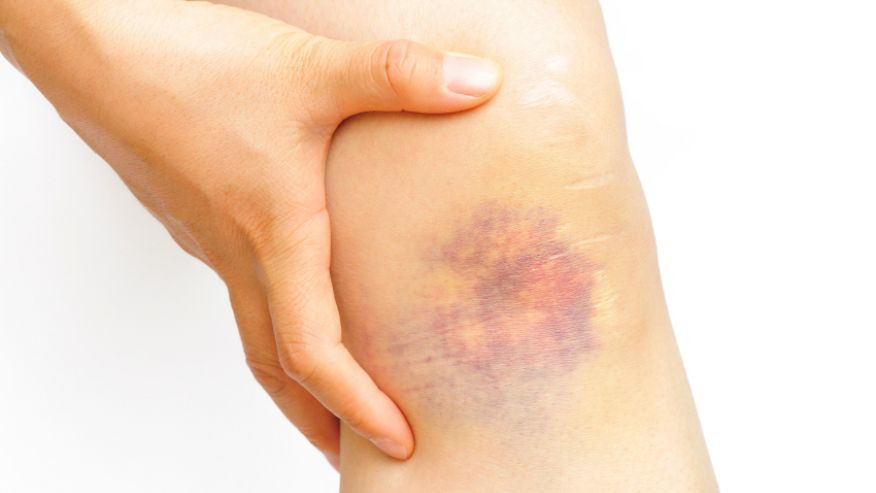
How Bruising Happens
A bruise, medically known as a contusion, occurs when small blood vessels (capillaries) break due to trauma. Blood leaks into the surrounding tissues, leading to discoloration that may appear red, purple, blue, or yellow as it heals.
The body gradually reabsorbs the leaked blood, and the bruise fades over days or weeks. While visible impact usually explains bruising, not all minor injuries are remembered — especially if they occur during sleep or routine movement.
Common Causes of Unexpected Bruising
1. Minor Trauma You Don’t Recall
Sometimes the simplest explanation is the correct one. Small bumps during daily activities — brushing against a table, carrying heavy bags, or even vigorous exercise — can cause bruises without leaving a memorable event.
People who are physically active or who have cluttered living spaces may experience minor unnoticed impacts more often.
2. Aging Skin
As people age, their skin becomes thinner and loses protective fat and collagen. Blood vessels become more fragile and prone to breaking, even with minimal contact.
Older adults may notice bruises on arms and legs more frequently, particularly after light pressure.
3. Certain Medications
Some medications increase the likelihood of bruising by affecting blood clotting or platelet function. These include:
-
Blood thinners (anticoagulants)
-
Aspirin
-
Nonsteroidal anti-inflammatory drugs (NSAIDs)
-
Corticosteroids
-
Certain antidepressants
These medications can reduce the blood’s ability to clot efficiently, leading to easier bruising.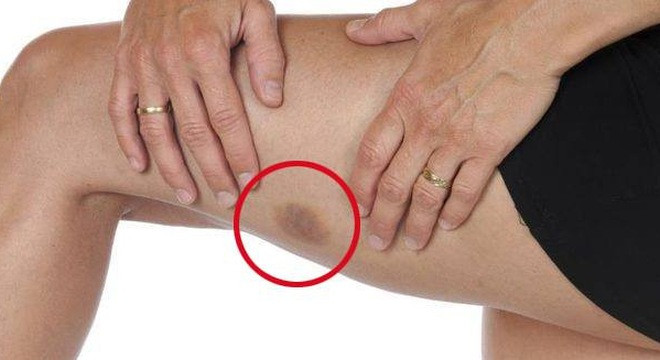
4. Vitamin Deficiencies
Nutritional deficiencies may also contribute to unexplained bruising. For example:
-
Vitamin C deficiency can weaken blood vessels.
-
Vitamin K deficiency may impair clotting ability.
-
Low levels of certain B vitamins can affect vascular health.
A balanced diet typically prevents these issues, but restrictive eating patterns or absorption disorders may increase risk.
5. Platelet Disorders
Platelets are essential for blood clotting. If platelet levels are low (a condition called thrombocytopenia) or if platelets do not function properly, bruising may occur more easily.
This can result from infections, autoimmune conditions, certain medications, or bone marrow disorders.
6. Liver Conditions
The liver produces proteins necessary for blood clotting. Liver dysfunction may interfere with this process, leading to increased bruising and bleeding tendencies.
Symptoms of liver issues may also include fatigue, yellowing of the skin or eyes (jaundice), and abdominal discomfort.
7. Blo.od Disorders
In rare cases, unexplained bruising may be associated with more serious hematologic conditions, including leukemia or clotting disorders such as hemophilia.
These conditions are typically accompanied by additional symptoms such as:
-
Frequent nosebleeds
-
Excessive bleeding from minor cuts
-
Fatigue
-
Recurrent infections
-
Unexplained weight loss
It is important to emphasize that these causes are far less common than minor trauma or medication effects.
When to Seek Medical Attention
While occasional unexplained bruises are usually not cause for alarm, medical evaluation may be warranted if you notice:
-
Frequent or unusually large bruises
-
Bruises that appear without any known injury
-
Bruising accompanied by bleeding gums or nosebleeds
-
Persistent fatigue or weakness
-
Bruises that take an unusually long time to heal
A healthcare provider may perform blood tests to evaluate platelet count, clotting function, and overall health status.
Prevention and Monitoring
If bruising is mild and infrequent, simple lifestyle adjustments may help:
-
Ensure adequate intake of vitamin-rich foods
-
Review medications with your healthcare provider
-
Protect skin during physical activity
-
Maintain a safe home environment to reduce accidental bumps
Keeping a record of when bruises appear and any associated symptoms can also help medical professionals identify patterns.
Final Thoughts
Unexpected bruising can be concerning, but in many cases, the cause is minor and manageable. Aging, unnoticed trauma, medications, or mild nutritional deficiencies often explain the issue.
However, persistent or severe bruising should not be ignored. The body often communicates subtle changes through visible signs, and paying attention can lead to early detection of underlying conditions.
While most cases are harmless, understanding potential causes allows you to respond calmly, monitor appropriately, and seek medical guidance when necessary.