Most people react instinctively when they see a millipede crawling across the floor. The immediate impulse is often to grab a shoe or tissue and eliminate it. After all, anything with dozens of legs moving in a wave-like motion can look unsettling indoors.
However, before acting on that impulse, it may be worth pausing. If you notice a millipede in your home, there is often a practical reason not to kill it right away. In many cases, the presence of a millipede is more of a message about your indoor environment than a direct threat.
Understanding why can help you respond more effectively.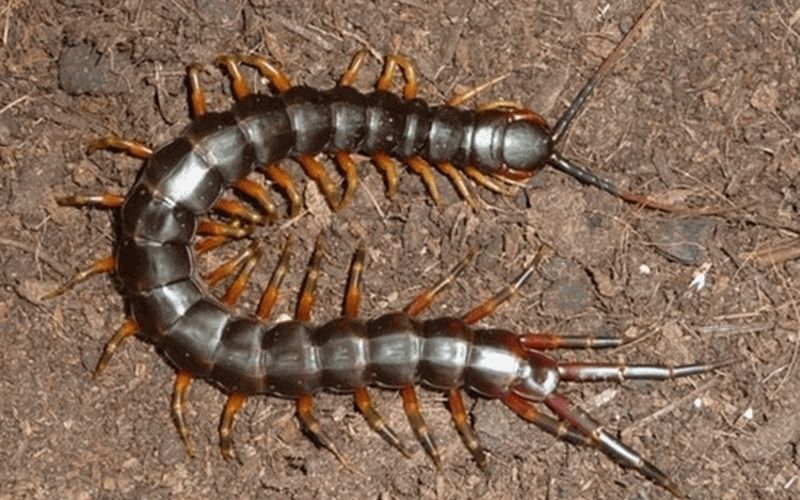
What Exactly Is a Millipede?
Millipedes are slow-moving arthropods that thrive in moist, organic environments. Unlike centipedes, they do not hunt other insects, and they are not aggressive. Most species feed on decaying plant material such as fallen leaves, wood fragments, and organic debris. In nature, they play a crucial role in breaking down organic matter and recycling nutrients back into the soil.
Despite their intimidating appearance, millipedes are generally harmless to humans. They do not bite, sting, or attack. Some species can release a mild defensive fluid if threatened, which may cause minor skin irritation in sensitive individuals, but serious reactions are rare.
Why Millipedes Enter Homes
Millipedes do not typically seek out human dwellings as permanent habitats. They usually enter homes accidentally or in response to environmental conditions.
The most common reasons include:
-
Excess moisture
Millipedes are highly dependent on humidity. If your home has damp basements, leaking pipes, poorly ventilated bathrooms, or moist crawl spaces, these areas can attract them. -
Seasonal weather changes
During heavy rain or sudden temperature shifts, millipedes may migrate indoors while searching for stable, humid conditions. -
Structural gaps
Small cracks in foundations, gaps around doors, and openings near windows provide easy entry points.
In most cases, finding a single millipede indoors suggests a moisture issue rather than an infestation.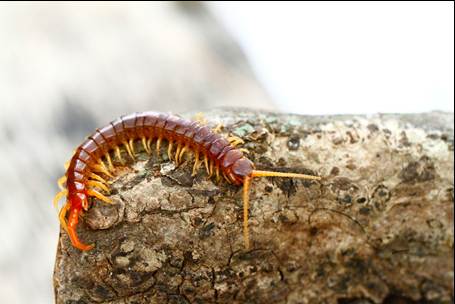
Why You Should Not Ki.ll It Immediately
Killing a millipede might solve the visual discomfort in the moment, but it does not address the underlying cause. More importantly, millipedes can serve as indicators of environmental imbalance inside your home.
They often signal:
-
High indoor humidity
-
Hidden leaks
-
Organic debris accumulation
-
Poor ventilation
Instead of viewing the millipede as the problem, consider it a clue. Removing the root cause — excess moisture — is far more effective than eliminating individual insects.
Additionally, millipedes do not reproduce rapidly indoors. Most cannot survive long inside dry environments. Once trapped in a typical indoor setting with lower humidity, they usually die within a short time because the conditions are unsuitable for long-term survival.
Safe and Practical Alternatives
If you see a millipede crawling inside, consider these steps instead of killing it:
-
Gently remove it
Use a tissue, cup, or gloves to pick it up and place it outside in soil or vegetation. -
Reduce moisture
Check for leaks under sinks, improve bathroom ventilation, and consider using a dehumidifier in damp areas. -
Seal entry points
Inspect doors, window frames, and foundation cracks. Apply weather stripping or sealant where needed. -
Remove organic debris
Keep leaves, mulch, and plant matter away from your home’s foundation, as these can attract millipedes.
Long-Term Prevention
The key to preventing millipedes is moisture control. Maintain indoor humidity levels below 50 percent when possible. Ensure proper drainage around your home’s exterior. Clean gutters regularly and prevent water from pooling near the foundation.
If millipedes appear in large numbers repeatedly, it may be helpful to consult a pest control professional to assess structural vulnerabilities. However, isolated sightings are typically manageable through simple environmental adjustments.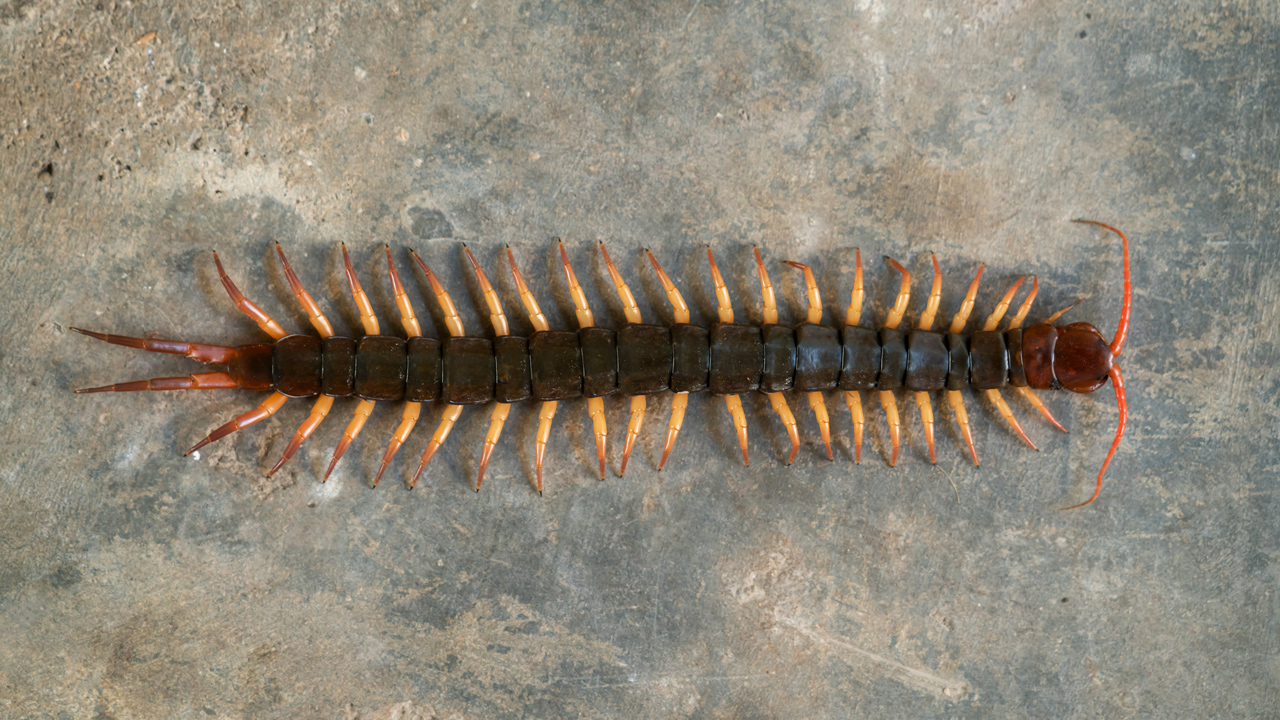
A Broader Perspective
In many ecosystems, millipedes are beneficial organisms. They contribute to soil health and organic recycling. Their appearance indoors is usually accidental and temporary.
Reacting with immediate extermination often overlooks the larger picture. By understanding why they appear and what conditions attract them, homeowners can make smarter decisions that protect both their living space and the surrounding environment.
Final Thoughts
Seeing a millipede in your home can be surprising, but it rarely signals danger. Instead of killing it right away, take a moment to assess what it might indicate about humidity levels or structural gaps.
Often, the presence of a millipede is not a threat — it is feedback. Addressing moisture and sealing entry points provides a more lasting solution than simply eliminating one insect.
Sometimes, the smallest visitors carry the most useful information about the health of your home.