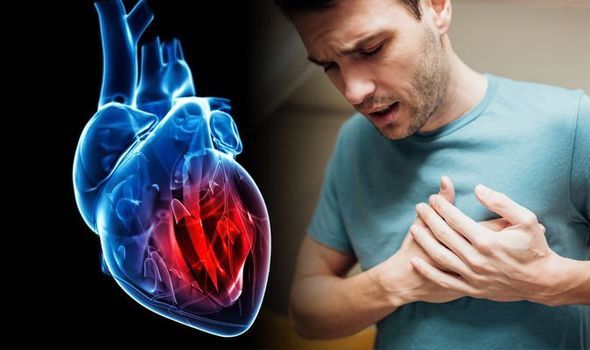
Heart attacks are often portrayed as sudden, dramatic events. In reality, many people experience warning signs days or even weeks before a heart attack occurs. These symptoms are sometimes subtle, easy to dismiss, or mistaken for less serious conditions. Recognizing them early can make a critical difference.
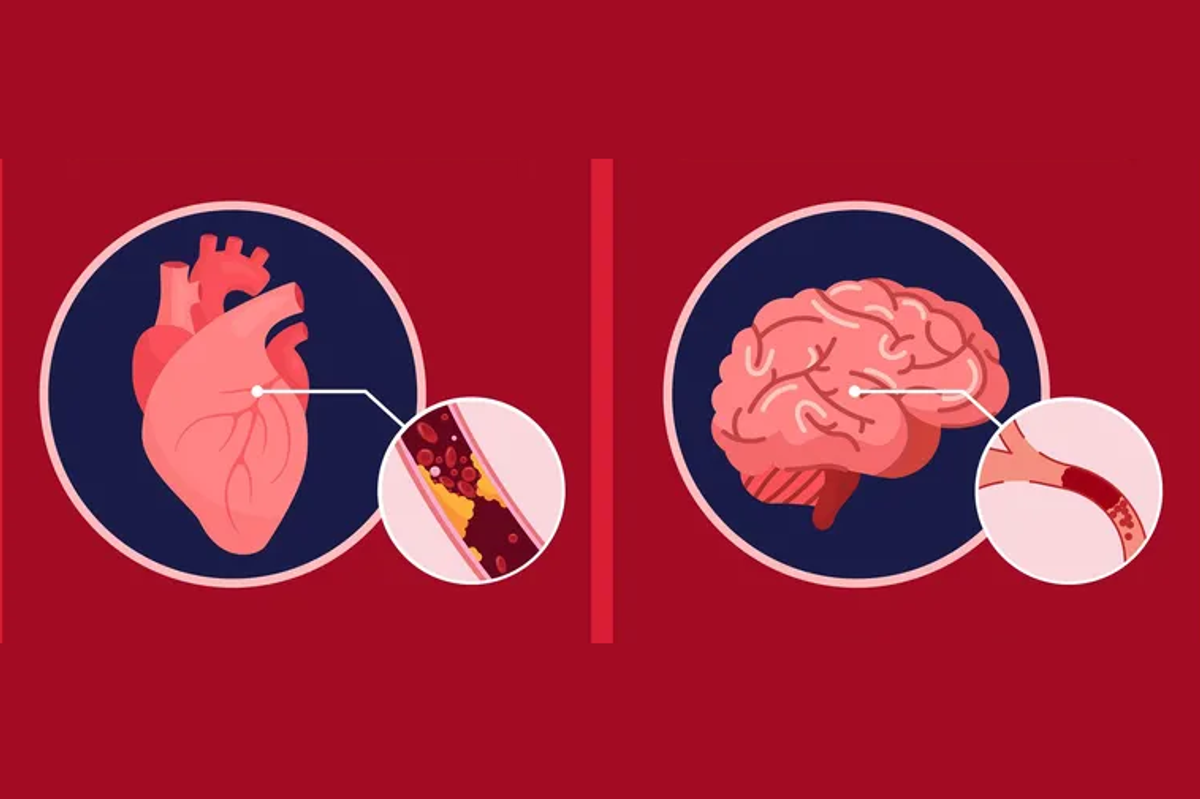
A heart attack, medically known as a myocardial infarction, occurs when blood flow to part of the heart muscle becomes blocked, usually due to a clot forming in a narrowed coronary artery. When oxygen supply is cut off, heart tissue begins to suffer damage.
While not everyone experiences early symptoms, research and clinical observations suggest that the body may provide warning signals in advance. Understanding these signs can help individuals seek medical evaluation before a life-threatening event occurs.

1. Unusual or Persistent Fatigue
One of the most commonly reported early symptoms is unexplained fatigue.
This is not the normal tiredness that comes after a long day. Instead, it may feel like:
-
Sudden exhaustion without clear reason
-
Extreme tiredness after mild activity
-
Difficulty performing routine tasks
-
A feeling of being “drained” for days or weeks
This symptom is reported more frequently in women but can affect anyone. Reduced blood flow to the heart may impair circulation and oxygen delivery throughout the body, contributing to overwhelming fatigue.
If fatigue is persistent, unexplained, and accompanied by other symptoms, it should not be ignored.
2. Chest Discomfort or Pressure
Chest pain remains the most recognized warning sign of a heart attack. However, early warning symptoms may not present as sharp or intense pain.
Instead, individuals may feel:
-
Pressure or tightness in the chest
-
A squeezing or heavy sensation
-
Mild discomfort that comes and goes
-
Pain that worsens with physical activity
This discomfort may last a few minutes and then disappear, only to return later. It may also radiate to the arms, neck, jaw, or back.
Even mild chest pressure deserves medical attention, particularly in individuals with risk factors such as high blood pressure, diabetes, or smoking history.
3. Shortness of Breath
Difficulty breathing can appear weeks before a heart attack. This may occur:
-
During mild physical exertion
-
While lying down
-
Even at rest
Shortness of breath may accompany chest discomfort, but it can also occur independently. It happens when the heart struggles to pump blood efficiently, leading to fluid buildup in the lungs or reduced oxygen delivery.
If breathing feels unusually labored or inconsistent with activity level, it should be evaluated.

4. Sleep Disturbances
Some individuals report disrupted sleep in the weeks leading up to a heart attack.
Possible symptoms include:
-
Difficulty falling or staying asleep
-
Frequent nighttime awakenings
-
Nighttime anxiety
-
Unexplained restlessness
These changes may be linked to increased stress hormones or subtle cardiovascular strain. Although sleep issues are common for many reasons, persistent changes combined with other symptoms warrant attention.
5. Nausea, Indigestion, or Upper Abdominal Discomfort
Heart-related symptoms are sometimes mistaken for digestive problems.
Early signs may include:
-
Nausea
-
Indigestion
-
Upper abdominal pressure
-
Heartburn-like sensations
These symptoms are more common in women but can occur in men as well. Because they resemble gastrointestinal issues, they are often overlooked.
If digestive discomfort is accompanied by fatigue, chest pressure, or shortness of breath, it is important to consider a cardiac evaluation.
Why These Signs Are Often Ignored
Many people delay seeking help because:
-
Symptoms seem mild
-
They attribute discomfort to stress or aging
-
They do not expect heart disease
-
Symptoms appear and disappear
However, early medical intervention can significantly reduce heart damage and improve survival outcomes.
Risk Factors to Consider
Certain factors increase the likelihood of heart disease:
-
High blood pressure
-
High cholesterol
-
Diabetes
-
Obesity
-
Smoking
-
Sedentary lifestyle
-
Family history of heart disease
Individuals with these risk factors should be particularly attentive to warning signs.
When to Seek Immediate Help
Call emergency services immediately if you experience:
-
Persistent chest pressure lasting more than a few minutes
-
Pain spreading to the arm, jaw, or back
-
Severe shortness of breath
-
Cold sweats
-
Dizziness or fainting
Prompt treatment can restore blood flow and limit heart damage.
Prevention Is Key
While recognizing warning signs is crucial, prevention remains the most powerful strategy.
Protect heart health by:
-
Maintaining a balanced diet
-
Exercising regularly
-
Managing stress
-
Controlling blood pressure and cholesterol
-
Avoiding tobacco
-
Getting regular medical checkups
Small, consistent lifestyle adjustments reduce long-term risk significantly.
Final Thoughts
A heart attack rarely happens without warning. In many cases, the body sends subtle signals weeks in advance. Persistent fatigue, chest pressure, shortness of breath, sleep disturbances, and digestive discomfort may indicate underlying cardiovascular strain.
Awareness does not mean panic — it means preparedness. Paying attention to changes in your body and seeking timely medical evaluation can prevent serious consequences.
Taking care of your heart today protects not only your own health but also the well-being of those who depend on you. Prevention and early action can turn potential tragedy into a manageable condition — and sometimes, even a life saved.