Your refrigerator is designed to slow bacterial growth and keep food safe. However, cold temperatures do not completely stop bacteria — they only slow it down. Certain everyday habits, especially related to storage and organization, can quietly create conditions where harmful microorganisms multiply.
Many people assume that simply placing food in the fridge is enough. In reality, improper storage practices can turn your refrigerator into an unexpected breeding ground. Below are five commonly overlooked habits that may promote bacterial growth — and how to correct them.
1. Overcrowding the Refrigerator
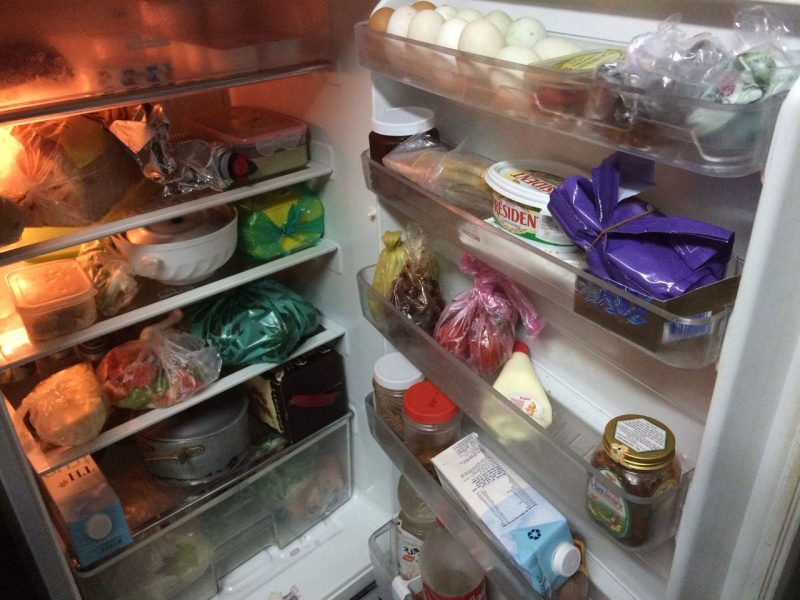
It may seem harmless to fill every shelf to maximize space, but overcrowding disrupts airflow. Refrigerators rely on circulating cold air to maintain consistent temperatures throughout the interior.
When shelves are packed tightly:
-
Cold air cannot circulate properly
-
Some areas become warmer than others
-
Food may sit at unsafe temperatures
-
Moisture can accumulate
Warmer pockets inside the fridge create ideal conditions for bacterial growth, particularly around perishable foods such as meat, dairy, and leftovers.
What to Do:
-
Avoid blocking air vents
-
Leave small gaps between containers
-
Organize items so cold air can flow freely
Maintaining space improves cooling efficiency and food safety.

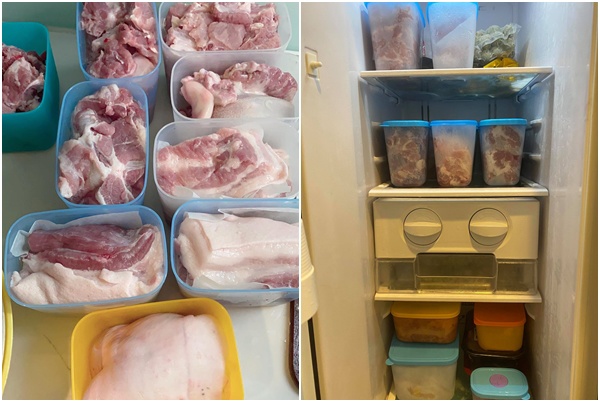
2. Storing Raw Meat Improperly
Raw meat, poultry, and seafood can contain harmful bacteria such as Salmonella or E. coli. If stored incorrectly, these pathogens can contaminate other foods.
Common mistakes include:
-
Placing raw meat on upper shelves
-
Using loose packaging that leaks
-
Allowing juices to drip onto other items
Cross-contamination is one of the leading causes of foodborne illness.
Best Practice:
-
Store raw meat on the bottom shelf
-
Use sealed containers or leak-proof bags
-
Keep raw items separate from ready-to-eat foods
This reduces the risk of bacteria spreading within the refrigerator.
3. Keeping Food for Too Long
Leftovers and opened products are often forgotten in the back of the fridge. Even in cold temperatures, bacteria continue to grow slowly.
Signs of this habit include:
-
Containers without labels
-
Expired dairy products
-
Mold on forgotten vegetables
-
Unclear storage timelines
Some bacteria produce toxins that remain harmful even after reheating.
Prevention Tips:
-
Label leftovers with dates
-
Follow the “first in, first out” rule
-
Discard leftovers after 3–4 days
-
Regularly check expiration dates
Routine inspection prevents hidden bacterial buildup.

4. Ignoring Temperature Settings
Many people never check their refrigerator’s actual temperature. The ideal internal temperature should be at or below 4°C (40°F).
If the fridge is too warm:
-
Bacteria multiply faster
-
Food spoils prematurely
-
Risk of foodborne illness increases
Temperature can fluctuate due to frequent door opening, faulty seals, or malfunctioning thermostats.
What to Do:
-
Use a refrigerator thermometer
-
Avoid opening the door excessively
-
Ensure door seals are intact
-
Adjust settings if needed
Consistent temperature control is essential for safety.
5. Neglecting Regular Cleaning
Spills, crumbs, and condensation create a favorable environment for bacteria and mold. Even small drips from meat packaging can contaminate shelves.
Common overlooked areas include:
-
Vegetable drawers
-
Door compartments
-
Rubber door seals
-
Back corners of shelves
Bacteria can multiply quickly in moist areas if not cleaned properly.
Cleaning Recommendations:
-
Wipe spills immediately
-
Clean shelves weekly with mild soap
-
Perform deep cleaning monthly
-
Remove and wash drawers separately
A clean refrigerator reduces contamination risks significantly.
Additional Risk Factors
Beyond these five habits, other factors may contribute to bacterial growth:
-
Storing hot food without cooling first
-
Leaving the fridge door open too long
-
Using damaged containers
-
Storing uncovered foods
Even small adjustments can improve overall hygiene.
Why This Matters
Foodborne bacteria can cause symptoms such as nausea, vomiting, diarrhea, and abdominal pain. Vulnerable groups — including children, elderly individuals, and those with weakened immune systems — face higher risks.
Since many bacterial contaminants are invisible and odorless, prevention relies on proper storage and maintenance rather than visual cues.
Final Thoughts
Your refrigerator is a powerful tool for preserving food, but it is not immune to misuse. Overcrowding, improper meat storage, neglecting cleaning, ignoring temperature settings, and keeping food too long can quietly create conditions that promote bacterial growth.
By adopting safer storage habits and maintaining cleanliness, you can significantly reduce the risk of contamination. Small, consistent actions — such as labeling leftovers, checking temperatures, and cleaning regularly — help ensure that your refrigerator remains a protective environment rather than a hidden health hazard.
Food safety begins not only with what you buy, but with how you store it.