Discovering a lump in your neck can be alarming. Whether you notice it while applying skincare, shaving, or simply touching your neck, the sudden presence of a small swelling often raises immediate concern. The good news is that many neck lumps are harmless. However, some can signal underlying medical conditions that require attention.
Understanding what a neck lump might indicate can help you respond calmly and appropriately.
Swollen Lymph Nodes: The Most Common Cause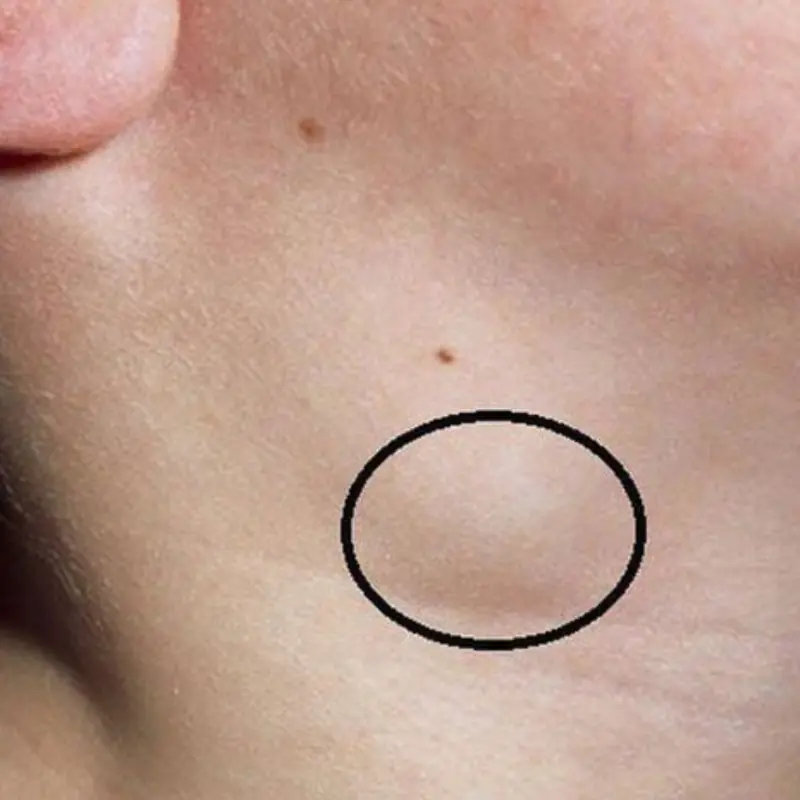
One of the most frequent reasons for a lump in the neck is swollen lymph nodes. Lymph nodes are small, bean-shaped glands that are part of your immune system. They help your body fight infections.
When you have a cold, sore throat, ear infection, or even dental issues, lymph nodes in the neck can become enlarged and tender. In these cases, the lump is usually soft, slightly painful, and may shrink once the infection clears.
Swollen lymph nodes are typically not a cause for panic, especially if they appear alongside symptoms like fever, fatigue, or throat pain.
Thyroid-Related Lumps
Another possible cause of a neck lump is a thyroid issue. The thyroid gland sits at the front of your neck and plays a key role in regulating metabolism.
A lump in this area may be a thyroid nodule. Most thyroid nodules are benign (non-cancerous) and may not cause symptoms. However, some can lead to changes in voice, difficulty swallowing, or a feeling of pressure in the neck.
If you notice a lump in the front center of your neck, especially one that moves when you swallow, it’s important to consult a healthcare professional for evaluation.
Cysts and Benign Growths
Some neck lumps are simply cysts or fatty growths known as lipomas. These are usually painless, slow-growing, and soft to the touch. They are generally harmless but may be removed if they cause discomfort or cosmetic concerns.
Sebaceous cysts, which form under the skin due to blocked glands, can also appear in the neck area. These may become inflamed or infected, leading to redness and tenderness.
When to Be Concerned
While many neck lumps are harmless, certain warning signs should not be ignored. You should seek medical advice if:
-
The lump persists for more than two to three weeks
-
It continues to grow
-
It feels hard or fixed in place
-
You experience unexplained weight loss
-
You have night sweats or prolonged fever
-
There is difficulty breathing or swallowing
In rare cases, a neck lump can be associated with more serious conditions, including lymphoma or other cancers. These lumps are often painless, firm, and may gradually enlarge over time.
Early detection significantly improves outcomes, so it is always better to get a professional opinion rather than assume the lump is harmless.
Diagnosis and Treatment
If you visit a doctor for a neck lump, they will likely begin with a physical examination and ask about your symptoms. Depending on their findings, they may recommend blood tests, an ultrasound, a CT scan, or a biopsy to determine the exact cause.
Treatment depends entirely on the diagnosis. Infections may require antibiotics. Thyroid nodules may need monitoring or medication. Benign cysts may not require treatment unless they cause problems.
Don’t Panic, But Don’t Ignore It
Finding a lump in your neck does not automatically mean something serious is wrong. In fact, most neck lumps are linked to minor infections or benign conditions. However, because some causes can be more serious, paying attention to changes in your body is essential.
Your neck contains many important structures, including lymph nodes, glands, muscles, and blood vessels. Any unusual swelling deserves proper evaluation if it doesn’t resolve quickly.
Final Thoughts
A lump in the neck can range from a simple immune response to a more complex medical issue. The key is observation. Monitor the size, texture, and any accompanying symptoms.
If the lump changes, grows, or causes discomfort, schedule a medical appointment. When it comes to your health, peace of mind and early action are always worth it.