According to the Cleveland Clinic, untreated dry mouth increases the risk of tooth decay, gum disease, bad breath, and infections in the mouth. Saliva is essential for neutralizing acids, washing away food particles, and protecting soft tissues. When saliva is consistently lacking, your oral health can suffer over time.
Dry mouth is especially common at night and often goes unnoticed until you start waking up every morning feeling parched or sticky-mouthed. Below are the most common reasons this happens—and what your body may be trying to communicate.
1. What You Eat Before Bed
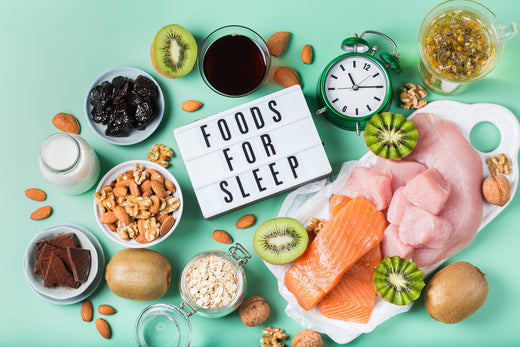
Your evening food choices matter more than most people realize. Fatty, spicy, and salty foods force your digestive system to work harder and draw water from other parts of the body to process the meal.
As fluids are redirected toward digestion, less moisture is available for saliva production. If you frequently wake up thirsty or uncomfortable, choosing lighter, less salty dinners and avoiding late-night snacks may help reduce dryness.
2. Medications

Medications are among the most common causes of dry mouth.
The Mayo Clinic reports that hundreds of prescription and over-the-counter drugs can decrease saliva production, including:
-
Antidepressants and anti-anxiety medications
-
Blood pressure medications
-
Antihistamines and decongestants
-
Pain relievers and muscle relaxants
If dry mouth began after starting a new medication, it is worth discussing alternatives or dosage adjustments with your healthcare provider rather than stopping the drug on your own.
3. Dehydration
Sometimes the cause is simple: your body is not getting enough fluids.
While you sleep, your body continues to lose water through breathing, sweating, and normal metabolism. Going to bed even mildly dehydrated can leave you waking up with a noticeably dry mouth and throat.
The solution is not drinking large amounts of water right before bed—which may interrupt sleep—but maintaining steady hydration throughout the day.
4. Aging
As people age, saliva production naturally declines. Adults over 60 are especially prone to dry mouth due to the combined effects of aging, medications, and chronic medical conditions.
Because saliva protects against cavities, infections, and oral discomfort, consistent oral hygiene and routine dental visits become increasingly important with age.
5. Underlying Medical Conditions
Persistent dry mouth can sometimes signal a deeper health issue.
The Mayo Clinic notes that conditions such as:
-
Diabetes
-
Stroke
-
Alzheimer’s disease
-
HIV/AIDS
-
Sjögren’s syndrome
can interfere with saliva production. In some cases, dry mouth may be an early sign of an autoimmune disorder. If symptoms continue despite good hydration and oral care, medical evaluation is important.
6. Hyperthyroidism or a High Metabolism
An overactive thyroid increases many body processes—including fluid loss.
According to Verywell Health, hyperthyroidism may cause frequent urination, anxiety, heat intolerance, and dehydration, all of which can contribute to dry mouth. When dryness occurs alongside unexplained weight loss, tremors, or nervousness, thyroid testing may be worth considering.
7. Mouth Breathing During Sleep
Breathing through the mouth while sleeping greatly reduces saliva levels.
The Sleep Foundation explains that mouth breathing dries out oral tissues and is often linked to nasal congestion, allergies, or sleep disorders such as sleep apnea. Using a humidifier, managing allergies, or treating breathing issues can significantly improve nighttime dryness.
8. Tobacco, Alcohol, and Drug Use
Certain substances are well known for drying out the mouth:
-
Tobacco reduces saliva flow
-
Alcohol acts as a diuretic, increasing dehydration
-
Recreational drugs, including marijuana, can cause “cottonmouth”
More severe drug use, such as methamphetamine, can result in extreme dry mouth and long-term dental damage.
The Bottom Line
Waking up with a dry mouth may seem harmless, but when it happens regularly, it can point to dehydration, medication side effects, lifestyle habits, or an underlying health condition.
If dryness continues despite good hydration and oral care, do not ignore it. Your mouth may be sending an important message—and responding early can protect both your oral health and your overall well-being.