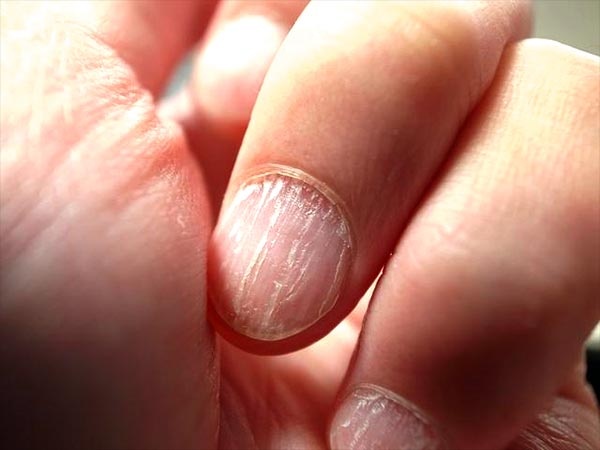
Most people see their nails as a simple cosmetic feature — something to trim, polish, or decorate. But beyond appearance, nails can serve as subtle indicators of overall health. Because they grow slowly and depend on consistent blood flow, oxygen supply, and proper nutrition, changes in the nails often reflect internal imbalances that have been developing over time.
Healthcare professionals have long observed that variations in nail color, shape, thickness, and texture can sometimes point to underlying medical conditions. While not every nail change signals disease, persistent or unusual abnormalities deserve attention — especially when accompanied by other symptoms.
Below are seven health conditions that may be reflected in your nails.
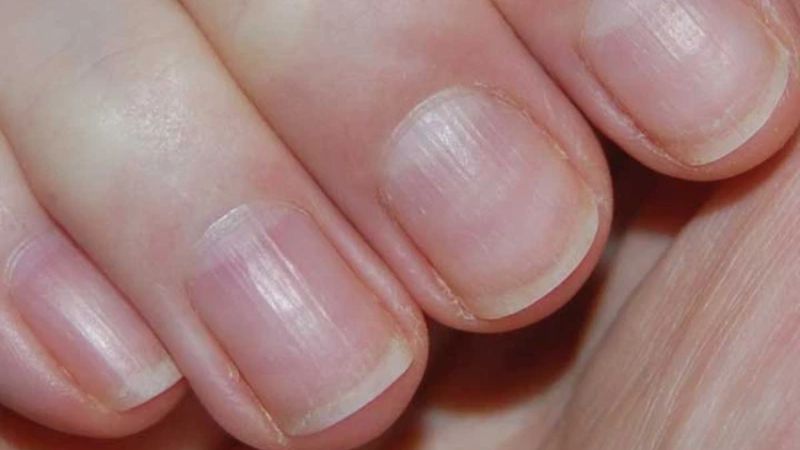
1. Pale or White Nails: Possible Anemia or Liver Issues
Healthy nails typically have a soft pink tone due to adequate blood circulation beneath the nail bed. When nails appear unusually pale, washed out, or nearly white, it may suggest reduced red blood cell levels or poor circulation.
Possible underlying causes include:
-
Iron-deficiency anemia
-
Chronic blood loss
-
Liver disorders
-
Malnutrition
In more advanced cases, nails may develop a condition known as “Terry’s nails,” where most of the nail appears white with only a narrow pink band at the tip. This pattern has been associated with liver disease and heart conditions.
If pale nails occur alongside fatigue, dizziness, or weakness, medical evaluation and blood testing are advisable.
2. Yellow Nails: Fungal Infection or Systemic Conditions
Yellow discoloration is commonly caused by fungal infections. However, persistent yellowing that does not improve with proper treatment may signal deeper issues.
Potential causes include:
-
Chronic bronchitis
-
Lung disease
-
Thyroid disorders
-
Diabetes
In rare cases, yellow nails are part of a condition called Yellow Nail Syndrome, which is associated with respiratory and lymphatic problems.
When nail discoloration persists or worsens, especially alongside breathing issues or swelling, further medical assessment is recommended.
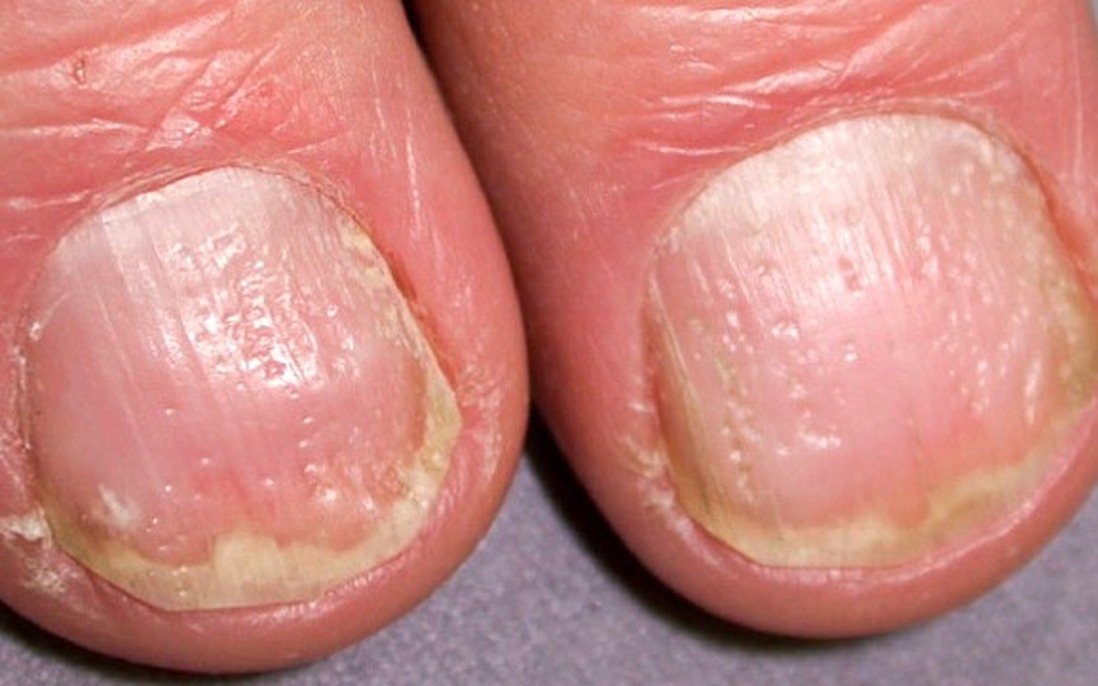
3. Brittle, Cracked, or Peeling Nails: Nutritional Imbalance
Nails that split easily, peel, or crack may indicate more than surface damage. While frequent exposure to water and harsh chemicals can weaken nails externally, persistent brittleness often points inward.
Possible causes include:
-
Iron deficiency
-
Low biotin levels
-
Thyroid dysfunction
-
Dehydration
A balanced diet rich in protein, iron, zinc, and essential vitamins — along with proper hydration — often improves nail resilience over time.
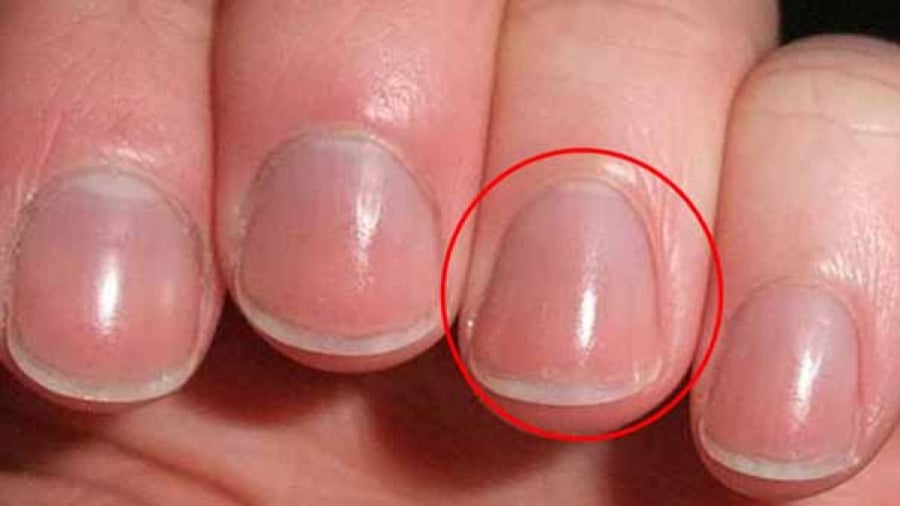
4. Clubbed Nails: Potential Heart or Lung Disease
Clubbing refers to the gradual rounding and enlargement of the fingertips, with nails curving downward over the tip. This condition develops slowly and is typically painless, making it easy to overlook.
Clubbing may be associated with:
-
Chronic lung disease
-
Heart disease
-
Long-term oxygen deficiency
-
Inflammatory bowel disease
Because clubbing often reflects prolonged oxygen imbalance in the bloodstream, it should be evaluated promptly — especially if accompanied by shortness of breath or fatigue.
5. Spoon-Shaped Nails: Iron Deficiency or Hormonal Disorders
Spoon-shaped nails, medically known as koilonychia, appear thin and concave — sometimes curved enough to hold a small drop of liquid.
This shape is most commonly linked to:
-
Iron-deficiency anemia
-
Hemochromatosis (iron overload disorder)
-
Hypothyroidism
-
Certain heart conditions
Iron deficiency remains the most frequent cause, particularly in women. Blood testing can confirm iron levels and guide treatment.
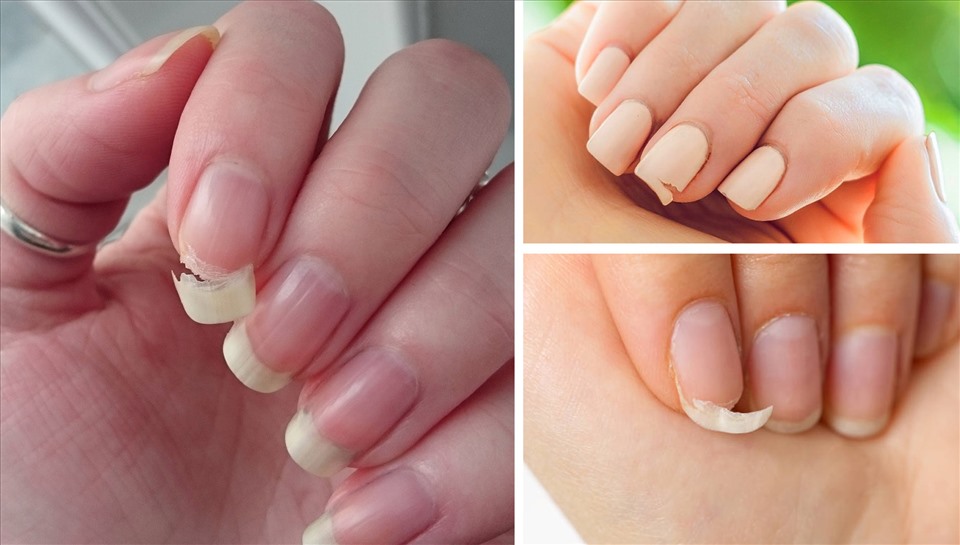
6. Dark Lines or Spots Under the Nail: Trauma or Skin Cancer
Dark streaks or spots beneath the nail can be alarming. Often, they result from minor trauma or bruising. However, when pigmentation appears without injury, it should not be ignored.
Possible explanations include:
-
Nail bed bleeding
-
Fungal infection
-
Melanoma (a serious form of skin cancer)
Warning signs include:
-
A dark line that widens over time
-
Color changes
-
Pigment spreading to surrounding skin
Any unexplained dark marking under the nail should be examined by a dermatologist.
7. Blue or Purple Nails: Oxygen Circulation Issues
Bluish or purplish discoloration of the nails, known as cyanosis, suggests that the blood may not be carrying enough oxygen.
Possible causes include:
-
Poor circulation
-
Heart disease
-
Lung disorders
-
Severe cold exposure
Temporary discoloration from cold temperatures may resolve quickly. However, persistent blue nails — especially when accompanied by chest discomfort or breathing difficulty — require urgent medical attention.
Why Nails Reflect Internal Health
Nails grow at a relatively slow rate — approximately 2–3 millimeters per month. Because of this gradual growth, changes in nail appearance often reflect long-term physiological shifts rather than sudden changes.
They are influenced by:
-
Blood circulation
-
Oxygen supply
-
Hormonal balance
-
Nutrient availability
For this reason, nails are sometimes described as a window into systemic health.
When to Seek Medical Advice
Not all nail changes are cause for alarm. Temporary discoloration, mild ridges, or surface damage are common and often harmless.
However, medical evaluation is recommended if nail changes are:
-
Persistent
-
Worsening
-
Unexplained
-
Accompanied by fatigue, pain, or breathing issues
Early detection of underlying conditions often leads to better outcomes.
Final Thoughts
Your nails serve more than a protective or aesthetic function — they may quietly reflect what is happening inside your body. From nutrient deficiencies and thyroid imbalances to heart and lung conditions, subtle changes in nail appearance can offer early clues.
Taking a moment to observe your nails regularly is a simple yet proactive health habit. Sometimes, small physical details provide valuable insight into overall well-being.
Pay attention to what your body is signaling — even through something as small as your nails.