7 Foods With Anticancer Effects You’ve Probably Never Heard About
When it comes to cancer prevention, most people immediately think of well-known “superfoods” like broccoli, berries, or green tea. However, researchers continue to explore other lesser-known foods that may also contain compounds linked to anticancer properties.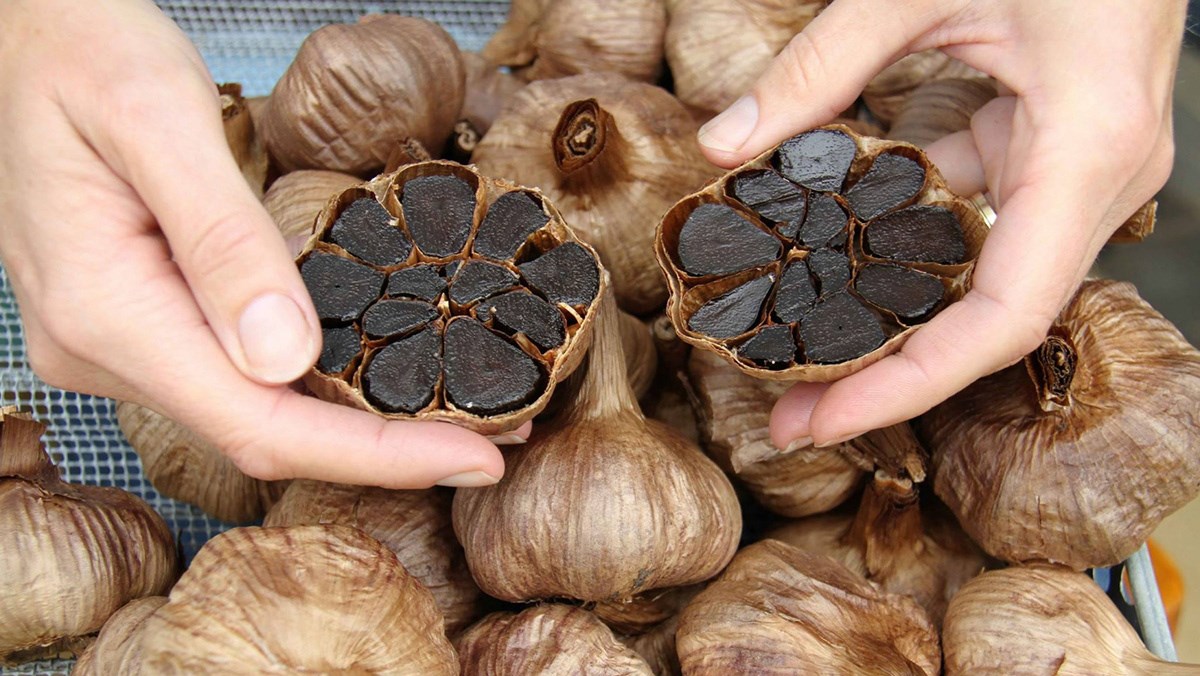
While no single food can prevent or cure cancer, certain ingredients contain antioxidants, anti-inflammatory compounds, and phytochemicals that may help protect cells from damage. Adding a variety of nutrient-rich foods to your diet can support overall health and potentially reduce risk factors associated with chronic disease.
Here are seven lesser-known foods that have been studied for their potential anticancer effects.
1. Black Garlic
Black garlic is made by aging regular garlic under controlled heat and humidity. This process enhances its antioxidant content and creates higher concentrations of compounds such as S-allyl cysteine.
Studies suggest that these antioxidants may help protect cells from oxidative stress and support immune function. Some laboratory research indicates that garlic compounds may slow the growth of certain cancer cells, although more human studies are needed.
2. Seaweed
Seaweed, including varieties such as kelp and wakame, is rich in iodine, fiber, and unique antioxidants like fucoxanthin. Fucoxanthin has been studied for its potential ability to inhibit cancer cell growth in laboratory settings.
Seaweed also contains compounds that may support hormonal balance, particularly related to thyroid health, which is an important factor in overall metabolic regulation.
3. Turmeric Root
Turmeric contains curcumin, a powerful anti-inflammatory compound. Curcumin has been widely researched for its potential role in slowing tumor growth and reducing inflammation linked to cancer progression.
Although absorption in the body can be limited, combining turmeric with black pepper may improve its bioavailability.
4. Mushrooms
Certain mushrooms, such as shiitake and maitake, contain beta-glucans and other polysaccharides that may enhance immune response. Some studies suggest these compounds can help the body recognize and fight abnormal cells more effectively.
Medicinal mushrooms have long been used in traditional practices and are now being explored in modern research for their potential supportive role in cancer care.
5. Pomegranate
Pomegranate seeds and juice are rich in antioxidants known as polyphenols. Laboratory studies indicate that pomegranate extracts may help reduce inflammation and inhibit the growth of certain cancer cells.
Its high antioxidant capacity makes it a valuable addition to a balanced diet.
6. Beets
Beets contain betalains, natural pigments with antioxidant and anti-inflammatory properties. Some preliminary research suggests that these compounds may help slow the growth of cancer cells in experimental settings.
Beets are also known to support healthy blood flow and cardiovascular function.
7. Flaxseeds
Flaxseeds are rich in lignans, a type of plant compound with antioxidant properties. Lignans may play a role in balancing hormone levels, particularly estrogen, which has been linked to certain types of cancer.
Flaxseeds are also high in fiber and omega-3 fatty acids, contributing to overall digestive and heart health.
A Balanced Perspective
It is important to understand that these foods are not cures for cancer. Most of the evidence supporting their anticancer properties comes from laboratory or early-stage research. Human studies are ongoing, and results can vary.
However, including a diverse range of plant-based foods rich in antioxidants and anti-inflammatory compounds may support long-term health and reduce risk factors associated with chronic diseases.
A balanced diet, regular physical activity, avoiding tobacco, limiting alcohol, and routine medical screenings remain the most reliable strategies for cancer prevention.