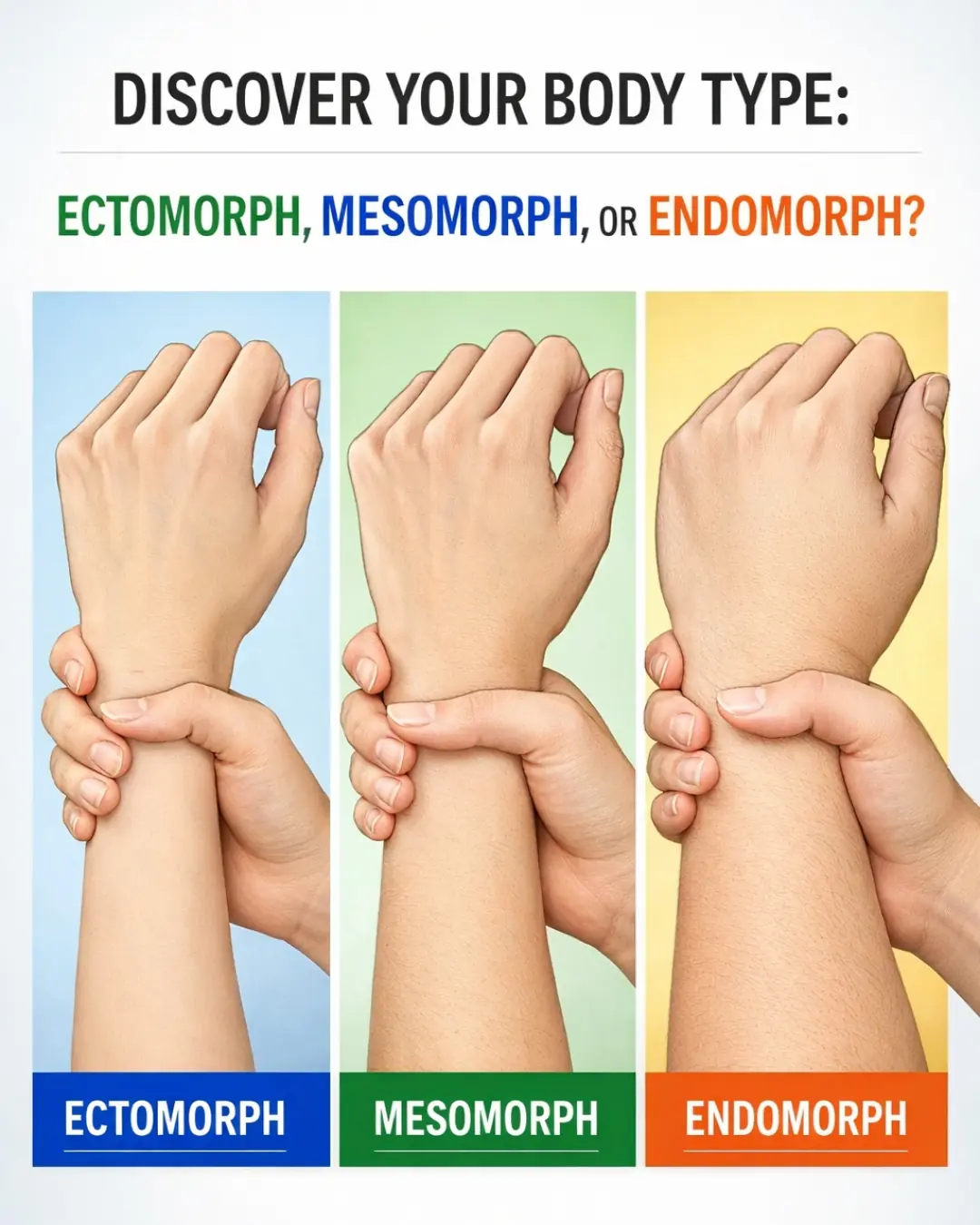
Ectomorph, Mesomorph, or Endomorph? Discover Your True Body Type
Ectomorph, Mesomorph, or Endomorph? Discover Your True Body Type
Health 01/03/2026 08:26
Have you ever noticed how you wake up some mornings feeling refreshed, and on others with a stiff neck, heartburn, or that heavy, tired feeling that just won’t go away? Every night, the same ritual repeats: you get into bed, close your eyes, and hope for a good night’s sleep. You might sleep on your back, on your side, curled up, or face down.
But here’s the part most people don’t think about: the position you sleep in can have a real impact on your health—from digestion and breathing to pain levels and even long-term disease risk.
Sleep isn’t just “turning off” the body. It’s when your body repairs tissues, balances hormones, and resets your brain. If your posture is off for six to eight hours every night, that recovery process can be quietly sabotaged—often without obvious signs at first.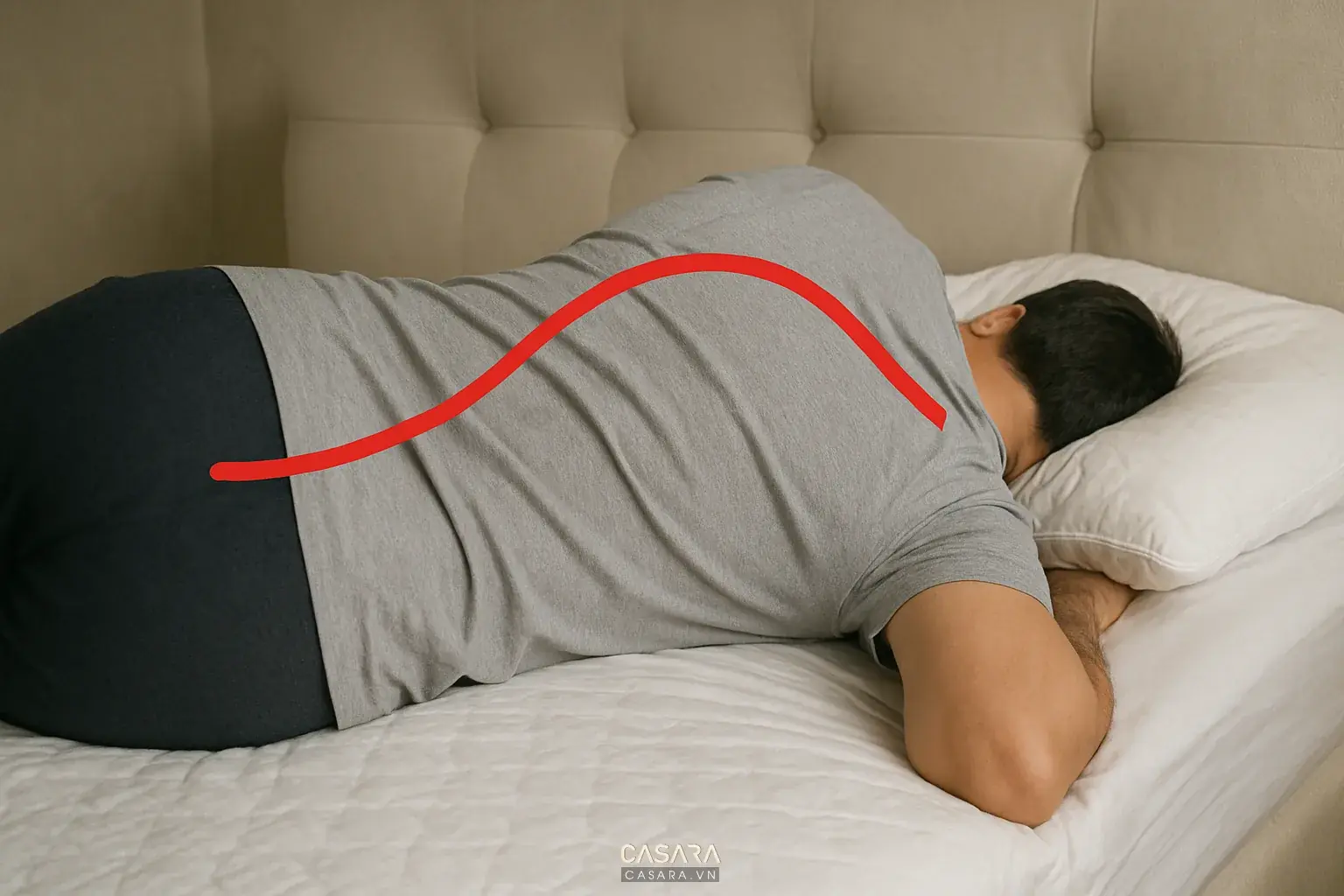
Loud snoring. Morning headaches. Acid reflux. A feeling of suffocation during the night. Waking up tired even after eight hours in bed.
Most people blame stress, a bad mattress, or a busy schedule. And while those can matter, your sleeping position may be the real culprit.
Poor sleep posture can:
Reduce oxygen intake during the night
Increase pressure on your spine and joints
Worsen digestion and reflux
Disrupt deep, restorative sleep phases
Over time, this can turn into chronic back pain, neck problems, persistent fatigue, or worsening sleep disorders like sleep apnea.
This isn’t just advice from yoga instructors. Sleeping on your left side has several science-backed benefits.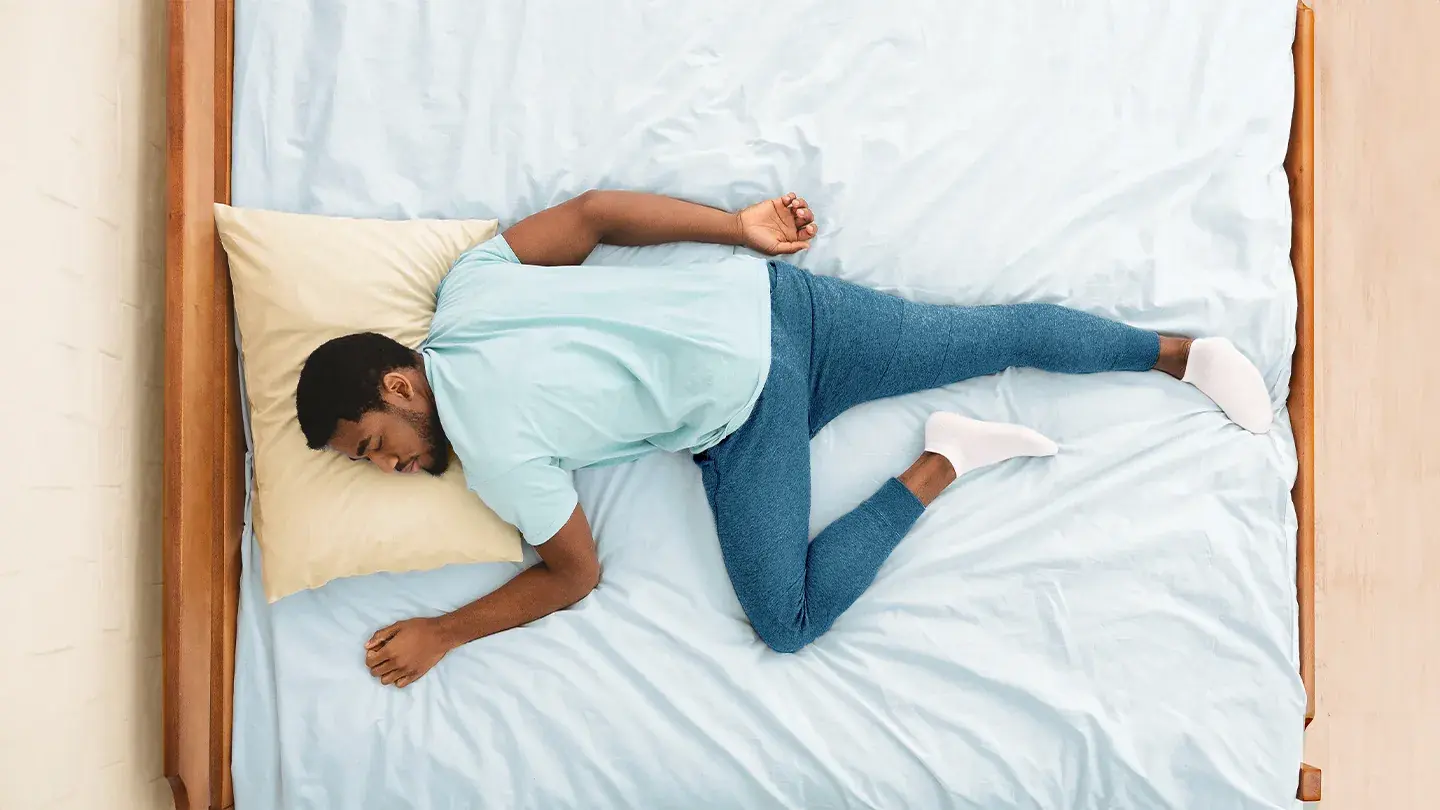
First, it helps with digestion. The stomach and pancreas naturally hang toward the left side of the body, so lying on that side makes it easier for food to move through your digestive tract. This is why many people notice less heartburn and reflux when they switch to the left side.
Second, it supports better circulation and lymphatic drainage. The lymphatic system, which helps remove waste from the body, drains more efficiently when you sleep on your left side.
Third—and this is especially interesting—sleeping on your side appears to support the glymphatic system, the brain’s “clean-up” system that removes waste products during deep sleep. Better drainage of these waste products may help reduce the long-term risk of neurodegenerative diseases like Alzheimer’s.
For pregnant women, the left side is often recommended because it improves blood flow to the placenta and helps reduce pressure on major blood vessels.
In short, if you’re looking for a default “healthy” sleep position, the left side is one of the best places to start.
Back sleeping can be comfortable and, in some cases, good for spinal alignment. However, it has a big downside: it can make snoring and sleep apnea worse.
When you lie on your back, gravity pulls the tongue and soft tissues of the throat backward, narrowing the airway. This reduces oxygen flow and increases the chances of snoring and breathing pauses during sleep. If you often wake up with a dry mouth, headaches, or feel exhausted despite enough sleep, your back-sleeping habit might be part of the problem.
This is usually the worst position for your body. Sleeping face down:
Twists the neck to one side for hours
Compresses internal organs
Puts stress on the lower back
Makes deep, relaxed breathing harder
Over time, this can lead to chronic neck pain, shoulder problems, and lower back issues. It may feel comfortable in the moment, but your body pays for it later.
This is generally better than sleeping on your stomach, but it’s not as beneficial as the left side for most people. Right-side sleeping can:
Worsen acid reflux in some individuals
Put more pressure on the liver and stomach
Be slightly less efficient for lymphatic drainage
Still, if you can’t sleep on your left side, the right side is usually a reasonable compromise.
Yes, it does.
For babies, sleeping on the back is strongly recommended because it reduces the risk of sudden infant death syndrome (SIDS).
For older adults, especially those over 60, back sleeping can increase the risk of breathing problems during the night. In this age group, switching to a side-sleeping position can help reduce sleep apnea episodes and improve overall sleep quality.
As we age, our airways, muscles, and joints change—so the “best” position often changes too.
Ekaterina, 34, struggled with persistent heartburn after giving birth. Medications helped a little, but the problem kept coming back. When she started sleeping on her side instead of her back, she noticed a clear improvement within days.
Anatoly, 57, was diagnosed with sleep apnea. By switching to a side-sleeping position and using an orthopedic pillow, he reduced his apnea episodes by around 70% and finally started waking up feeling rested again.
Sometimes, small changes in posture make a big difference.
“Sleeping on your back is always ideal.”
Not for everyone—especially if you snore or have sleep apnea.
“Sleeping on your stomach helps digestion.”
It usually does the opposite and strains your spine and neck.
“Ergonomic pillows are useless.”
The right pillow can seriously improve neck alignment and sleep comfort.
“Snoring is just noise.”
It can be a sign of obstructed breathing and poor sleep quality.
“You can catch up on sleep on the weekend.”
Sleep debt doesn’t fully disappear that way. Consistency matters more.
⚡ Did you know? Research suggests that people who sleep on their side have better drainage of brain fluids—a process that mainly happens during deep sleep and is essential for long-term brain health.
Put a pillow between your knees to relax your lower back
Slightly elevate the head of your bed to reduce reflux
Use nasal strips if your nose gets blocked at night
Choose a mattress with balanced support—not too soft, not too hard
Start the night in the right position, even if you move later
Training your body to adopt a healthier sleep posture takes time, but these small adjustments can make it much easier.
What is the best sleeping position to avoid acid reflux?
Sleeping on your left side helps reduce reflux and supports better digestion.
Is sleeping on your back bad for you?
Not always, but it can worsen snoring and sleep apnea in many people.
Does sleeping on your stomach harm your spine?
Yes. It forces your neck into an awkward position and strains your lower back.
Can I train myself to sleep on my side?
Yes. With the right pillow setup and support between your legs, most people can adapt within a few weeks.
Ectomorph, Mesomorph, or Endomorph? Discover Your True Body Type

7 must-know tips for using cloves effectively
Researchers outline 7 hidden health problems your nails might suggest
For many people, simply hearing the word “colonoscopy” is enough to cause immediate fear or discomfort.

Peanuts, also known as groundnuts, are rich in vitamins and nutrients, often hailed as a "longevity nut" that is highly beneficial for health.
Occasionally noticing foamy urine is usually harmless and not a cause for concern.
Heart disease does not always announce itself with dramatic chest pain during the day. In many cases, the heart sends subtle warning signals at night, when the body is at rest and symptoms become more noticeable.
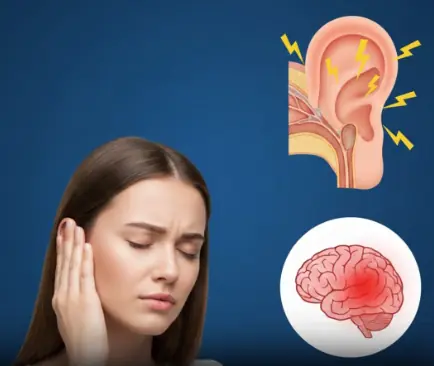
Have you ever noticed a faint hum, buzz, or ringing in your ear — especially when everything around you is silent?

When our skin becomes itchy, we often attribute the discomfort to external factors such as sweat, hygiene products, laundry detergents, or the fabric of our clothing.

tching is a common condition that everyone experiences, and it is usually not a serious sign.
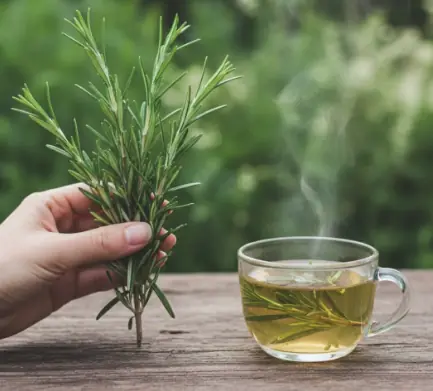
Rosemary (Rosmarinus officinalis L.) is one of the most studied and respected medicinal plants in modern herbal medicine.
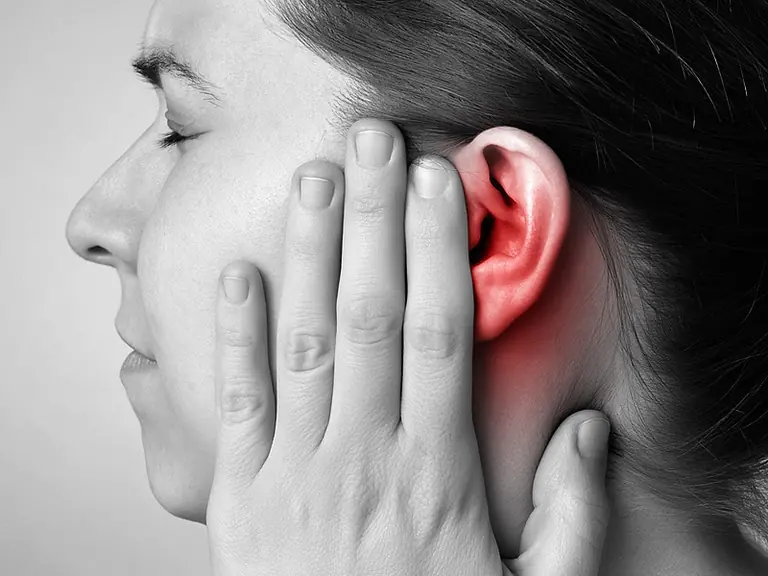
Understanding Persistent Tinnitus and When to Seek Care

Waking up with a dry mouth may feel like a small inconvenience, but it can actually be your body’s subtle way of raising a warning sign.
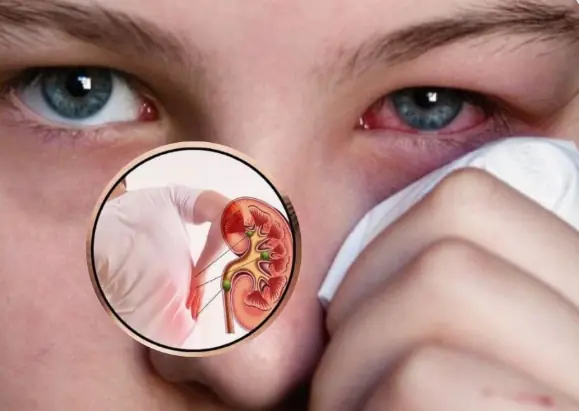
Kidney failure is a serious condition that can lead to lifelong dialysis or other severe health complications if left untreated.
Pain on the right side: This is what it could mean
Thyroid patients: check this list before your next meal.
A lump in the neck can be harmless or a sign of something serious

Doctors say this simple daily habit can help your health after 50 👇

Stone breaker: A traditional plant remedy strengthened by modern findings
Ectomorph, Mesomorph, or Endomorph? Discover Your True Body Type
7 must-know tips for using cloves effectively
Researchers outline 7 hidden health problems your nails might suggest
For many people, simply hearing the word “colonoscopy” is enough to cause immediate fear or discomfort.
Peanuts, also known as groundnuts, are rich in vitamins and nutrients, often hailed as a "longevity nut" that is highly beneficial for health.
Occasionally noticing foamy urine is usually harmless and not a cause for concern.
Heart disease does not always announce itself with dramatic chest pain during the day. In many cases, the heart sends subtle warning signals at night, when the body is at rest and symptoms become more noticeable.
Have you ever noticed a faint hum, buzz, or ringing in your ear — especially when everything around you is silent?
When our skin becomes itchy, we often attribute the discomfort to external factors such as sweat, hygiene products, laundry detergents, or the fabric of our clothing.
tching is a common condition that everyone experiences, and it is usually not a serious sign.
Rosemary (Rosmarinus officinalis L.) is one of the most studied and respected medicinal plants in modern herbal medicine.
Understanding Persistent Tinnitus and When to Seek Care
Waking up with a dry mouth may feel like a small inconvenience, but it can actually be your body’s subtle way of raising a warning sign.
Kidney failure is a serious condition that can lead to lifelong dialysis or other severe health complications if left untreated.

Before you spend hours defrosting your freezer, read this.
Pain on the right side: This is what it could mean
Thyroid patients: check this list before your next meal.
A lump in the neck can be harmless or a sign of something serious
Doctors say this simple daily habit can help your health after 50 👇