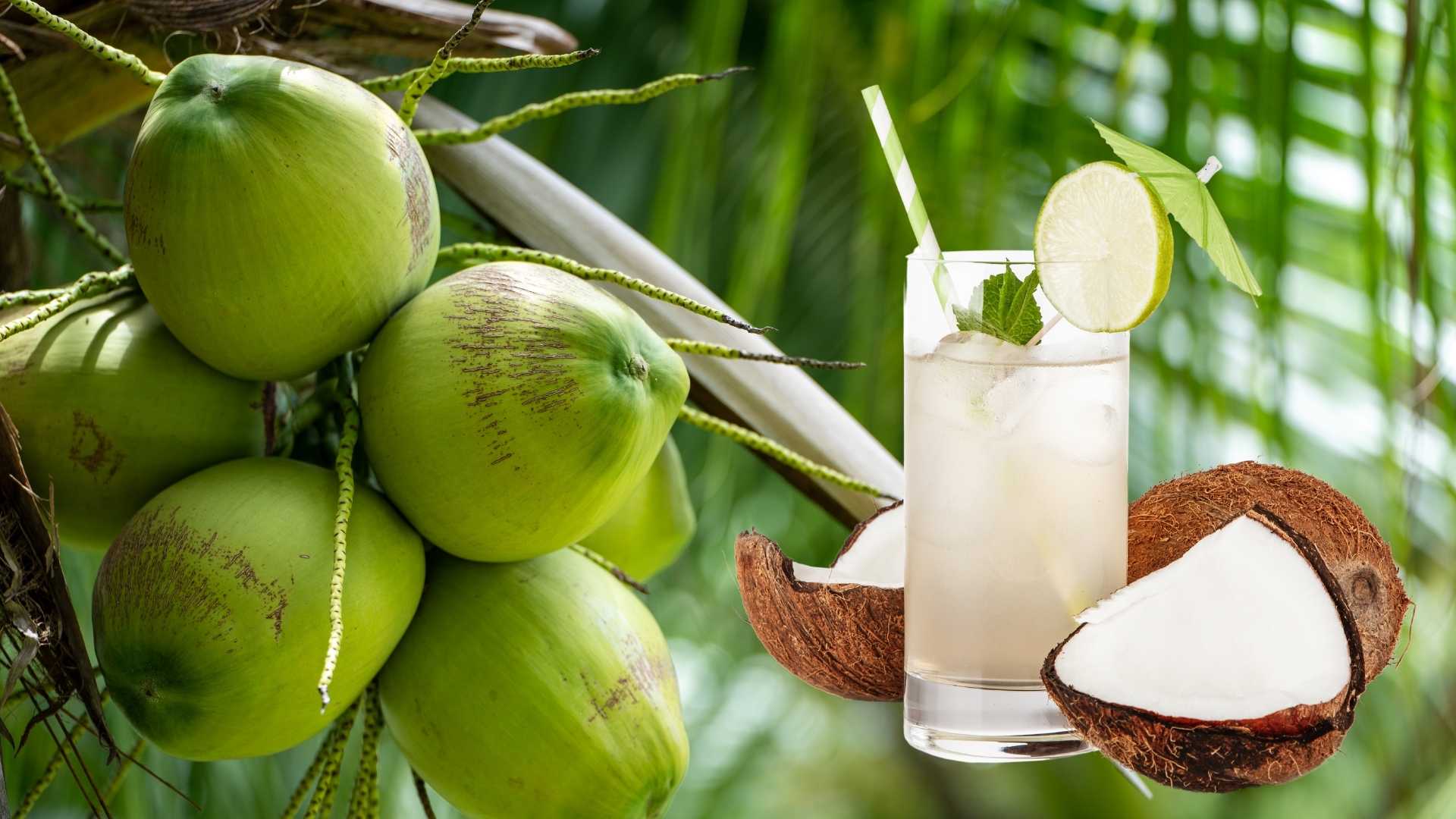
Coconut water is often praised as a natural, refreshing beverage packed with electrolytes, vitamins, and minerals. It is low in calories, contains potassium and magnesium, and is frequently promoted as a healthier alternative to sugary drinks. Many people use it for hydration after exercise or during hot weather.
However, despite its nutritional value, coconut water is not suitable for everyone. Like any food or beverage, it can have unwanted effects in certain individuals — especially when consumed in large amounts or in the presence of underlying medical conditions.
Below are 6 groups of people who may need to limit or avoid coconut water.
1. Individuals with Kidney Disease
Coconut water is naturally high in potassium. While potassium is essential for nerve and muscle function, people with kidney disease may struggle to regulate potassium levels effectively.
Excess potassium in the blood (a condition called hyperkalemia) can lead to:
-
Irregular heartbeat
-
Muscle weakness
-
Fatigue
-
In severe cases, cardiac complications
Because impaired kidneys cannot efficiently remove excess potassium, individuals with chronic kidney disease should consult a healthcare provider before consuming coconut water regularly.
2. People with High Potassium Levels
Even without diagnosed kidney disease, some individuals may already have elevated potassium levels due to medications or metabolic conditions.
Certain drugs — such as ACE inhibitors, potassium-sparing diuretics, or some heart medications — can increase potassium retention. Adding potassium-rich drinks like coconut water may further raise levels to unsafe ranges.
Routine blood tests can help determine whether potassium intake should be limited.
3. Individuals with Low Blood Pressure
Coconut water may have a mild blood pressure-lowering effect because of its potassium content and influence on blood vessel relaxation.
While this may benefit individuals with hypertension, those who already have low blood pressure (hypotension) may experience:
-
Dizziness
-
Lightheadedness
-
Fainting episodes
In such cases, excessive coconut water consumption could worsen symptoms.
4. People Preparing for Surgery
Some medical guidelines suggest limiting high-potassium beverages before surgery. Because coconut water may affect electrolyte balance and blood pressure, it could interfere with anesthesia management or postoperative recovery.
Patients scheduled for surgery should follow their physician’s instructions regarding dietary intake in the days leading up to the procedure.
5. Individuals with Diabetes or Blood Sugar Concerns
Although coconut water is often considered healthier than soda, it still contains natural sugars. Depending on portion size, it may raise blood glucose levels.
While unsweetened coconut water in moderate amounts can fit into many balanced diets, individuals managing diabetes should:
-
Monitor portion sizes
-
Check blood sugar responses
-
Avoid sweetened or flavored varieties
Reading nutrition labels is essential, as some commercial products contain added sugars.
6. People Prone to Allergies or Digestive Sensitivities
Though rare, coconut allergies do exist. Symptoms may include:
-
Skin rash
-
Itching
-
Swelling
-
Digestive discomfort
Additionally, drinking large quantities of coconut water may cause mild digestive upset in some individuals, such as bloating or diarrhea, due to its natural composition.
Anyone experiencing allergic reactions should discontinue use immediately and seek medical advice.

Moderation Is Key
For most healthy individuals, coconut water can be a refreshing source of hydration and electrolytes when consumed in moderation. It may be particularly useful after physical activity or during hot weather.
However, it should not be viewed as a universal health solution. Excessive consumption — especially multiple large servings daily — may disrupt electrolyte balance.
Water remains the most reliable hydration source for daily needs.
Practical Tips for Safe Consumption
If you choose to drink coconut water:
-
Opt for unsweetened, natural varieties
-
Limit portion sizes (one small glass is typically sufficient)
-
Avoid replacing plain water entirely
-
Consult a healthcare provider if you have chronic conditions
Listening to your body and considering your overall health profile is essential.
Final Thoughts
Coconut water offers valuable nutrients and can be part of a healthy lifestyle for many people. However, those with kidney disease, high potassium levels, low blood pressure, diabetes, upcoming surgery, or allergies should exercise caution.
No single beverage is universally beneficial. Understanding individual health needs ensures that even healthy options are consumed safely and appropriately.
When in doubt, personalized medical advice is always the safest approach.