A brain hemorrhage — also known as a cerebral hemorrhage or hemorrhagic stroke — is a life-threatening condition that happens when a blood vessel in the brain ruptures and causes bleeding into surrounding tissue. Unlike ischemic strokes, which result from blocked arteries, hemorrhagic strokes involve active bleeding that compresses brain cells, increases intracranial pressure, and disrupts oxygen supply.
While a brain hemorrhage can happen suddenly and without warning, medical research shows that certain periods, conditions, and physiological states significantly increase the risk. Understanding these high-risk windows can literally save lives.
Below are five dangerous periods when brain hemorrhage is more likely to occur — and why they matter.
1. Early Morning Hours (6:00 AM – 10:00 AM)
The early morning period is one of the most critical times for cardiovascular and cerebrovascular events.
Why this period is dangerous:
-
Blood pressure naturally rises upon waking (the “morning surge” effect).
-
Stress hormones like cortisol and adrenaline increase.
-
Blood becomes slightly more prone to clotting.
-
Heart rate accelerates as the body transitions from rest to activity.
For individuals with hypertension, fragile blood vessels, or untreated vascular conditions, this sudden pressure spike can cause a weakened vessel in the brain to rupture.
Who is most at risk?
-
People with uncontrolled high blood pressure
-
Smokers
-
Individuals over 55
-
Those with diabetes or vascular disease
Morning headaches, dizziness, blurred vision, or sudden weakness should never be ignored.
2. During Extreme Emotional Stress or Anger
Acute emotional distress is not just psychological — it has profound physiological consequences.

What happens in the body?
-
Rapid blood pressure elevation
-
Sudden heart rate acceleration
-
Constriction of blood vessels
-
Increased intracranial pressure
A severe emotional trigger — such as shock, rage, intense fear, or overwhelming anxiety — can create a sudden pressure overload inside delicate brain arteries.
In vulnerable individuals, this surge can lead to vessel rupture.
High-risk individuals:
-
Those with chronic stress
-
People with anxiety disorders
-
Individuals with aneurysms
-
Patients with long-standing hypertension
Managing emotional stress is not just about mental well-being — it is about protecting the brain.
3. During Heavy Physical Exertion
Strenuous activity can be beneficial for health — but extreme or sudden exertion may become dangerous in certain people.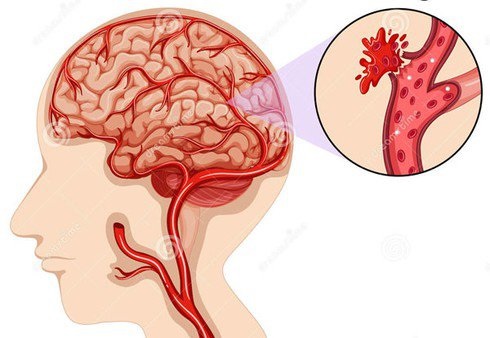
Why exertion increases risk:
-
Blood pressure can spike dramatically during heavy lifting.
-
Breath-holding (Valsalva maneuver) increases intracranial pressure.
-
Pre-existing aneurysms may rupture under stress.
Activities like:
-
Heavy weightlifting
-
Intense competitive sports
-
Sudden bursts of extreme effort
-
Straining during bowel movements
can temporarily elevate pressure inside the skull.
For healthy individuals, this is usually tolerated. But for those with vascular abnormalities, it may trigger bleeding.
Gradual conditioning and proper breathing techniques significantly reduce risk.
4. During Sudden Blood Pressure Fluctuations
Brain hemorrhage is strongly associated with uncontrolled hypertension — especially when blood pressure rises abruptly.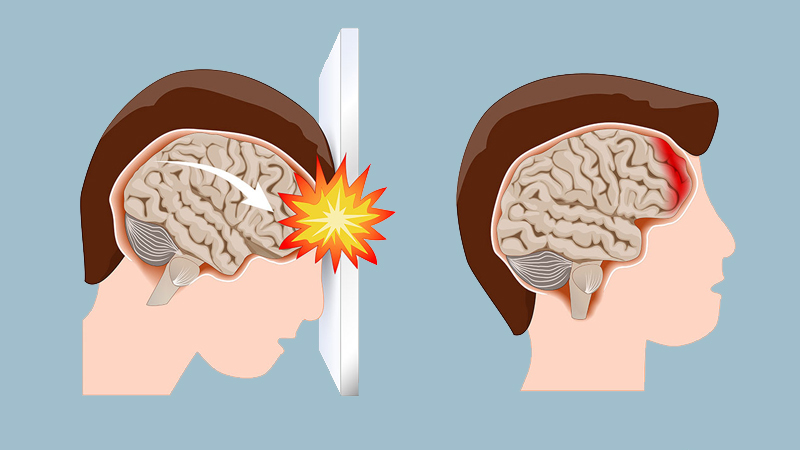
Dangerous scenarios include:
-
Missing blood pressure medication
-
Sudden withdrawal of antihypertensive drugs
-
Hypertensive crisis (BP ≥180/120 mmHg)
-
Cocaine or stimulant use
Rapid pressure changes strain artery walls. Over time, chronic hypertension weakens small penetrating arteries deep in the brain. When a sudden spike occurs, these vessels may rupture.
This is one of the most common causes of spontaneous intracerebral hemorrhage.
Warning signs of hypertensive crisis include:
-
Severe headache
-
Chest pain
-
Shortness of breath
-
Vision changes
-
Confusion
Immediate medical attention is critical.
5. In Advanced Age or During Vascular Degeneration
Aging itself is a significant risk factor for brain hemorrhage.

As people age:
-
Blood vessels lose elasticity.
-
Artery walls become thinner.
-
Small vessel disease becomes more common.
-
Conditions like cerebral amyloid angiopathy develop.
In elderly individuals, even minor trauma — such as a small fall — may lead to bleeding.
Additionally, blood-thinning medications (anticoagulants) prescribed for heart conditions increase bleeding risk.
The combination of fragile vessels and anticoagulation therapy significantly elevates danger.
Key Symptoms That Should Never Be Ignored
Brain hemorrhage symptoms often appear suddenly and worsen rapidly:
-
Sudden severe headache (“worst headache of life”)
-
Nausea or vomiting
-
Sudden weakness on one side
-
Slurred speech
-
Vision problems
-
Loss of consciousness
-
Seizures
Time is critical. Immediate emergency care dramatically improves survival and outcomes.
Prevention: Reducing Your Risk
Although some risk factors (like age) cannot be changed, many can be controlled.
Evidence-based prevention strategies:
-
Maintain blood pressure below 130/80 mmHg.
-
Avoid smoking and recreational stimulants.
-
Limit excessive alcohol intake.
-
Exercise moderately and consistently.
-
Manage stress proactively.
-
Take prescribed medications regularly.
-
Monitor blood pressure at home.
Routine health screenings are especially important for individuals over 40.
Final Thoughts
Brain hemorrhage does not usually occur randomly. It often happens during predictable physiological stress points — early morning pressure surges, intense emotional stress, heavy exertion, sudden blood pressure spikes, and in aging blood vessels.
Understanding these five dangerous periods allows for preventive action, early recognition, and potentially life-saving intervention.
The brain is resilient — but its blood vessels are delicate. Protecting them requires awareness, control of risk factors, and rapid response when warning signs appear.
Staying informed is not fear-based — it is life-protective.