Garlic is one of the most widely used ingredients in kitchens around the world. From stir-fries and soups to sauces and marinades, its bold aroma and flavor make it a culinary essential. It’s also praised for potential health benefits, including immune support and natural antibacterial properties.
However, not every bulb of garlic sitting in the market is worth taking home. While garlic is generally durable and long-lasting, certain visible signs can indicate that the cloves are old, improperly stored, contaminated, or beginning to spoil.
If you notice garlic cloves that look unusual—shrivelled, discolored, moldy, or overly soft—both buyers and sellers should think twice.
Why Garlic Quality Matters
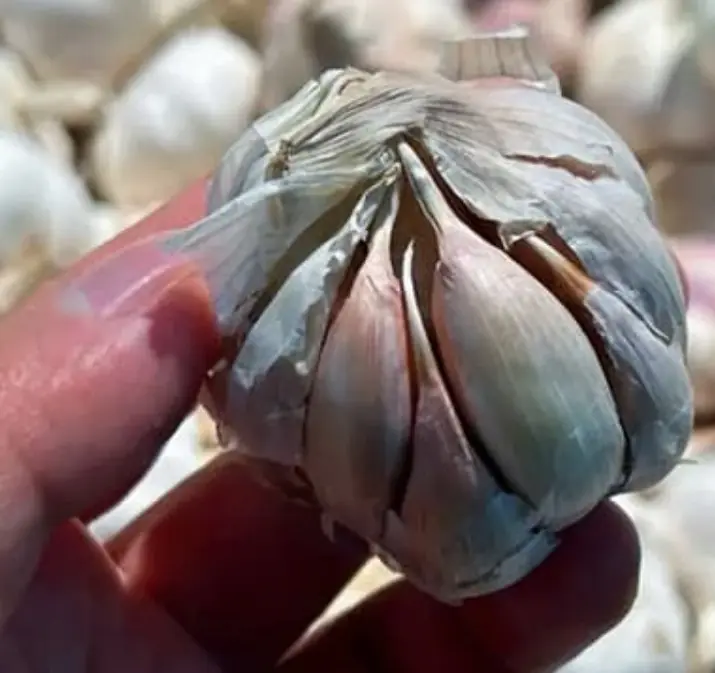
Garlic may seem tough on the outside, but once compromised, it can quickly lose flavor, texture, and safety. Poor-quality garlic doesn’t just affect taste; it can also introduce unwanted bacteria or mold into your meals.
When garlic begins to deteriorate, it may:
-
Develop mold spores.
-
Become overly moist or sticky.
-
Show green or dark brown spots.
-
Feel hollow or unusually lightweight.
-
Emit an unpleasant, sour smell.
These warning signs suggest the garlic is no longer fresh.
Four Types of Garlic You Should Avoid
While garlic is generally safe, here are four types you should avoid buying—or selling.
1. Moldy Garlic
If you see fuzzy white, blue, or black spots on the outer skin or cloves, it’s a clear sign of mold. Mold thrives in damp environments, especially when garlic has been stored improperly.
Consuming moldy garlic may cause digestive upset and can introduce harmful toxins into the body. Even if only one clove appears affected, it’s best to discard the entire bulb.
2. Sprouted Garlic
Garlic that has green shoots growing from the top isn’t necessarily dangerous, but it may taste bitter. Sprouting happens when garlic ages or is exposed to warmth and light.
While the green sprout can be removed and the rest of the clove used, excessive sprouting often indicates the garlic is past its prime.
3. Soft or Mushy Cloves
Fresh garlic should feel firm and tight when pressed. If the bulb feels soft, rubbery, or mushy, it may be rotting from the inside.
Soft garlic can harbor bacteria due to moisture buildup, especially if the cloves were damaged during transport or storage.
4. Discolored or Brown Spots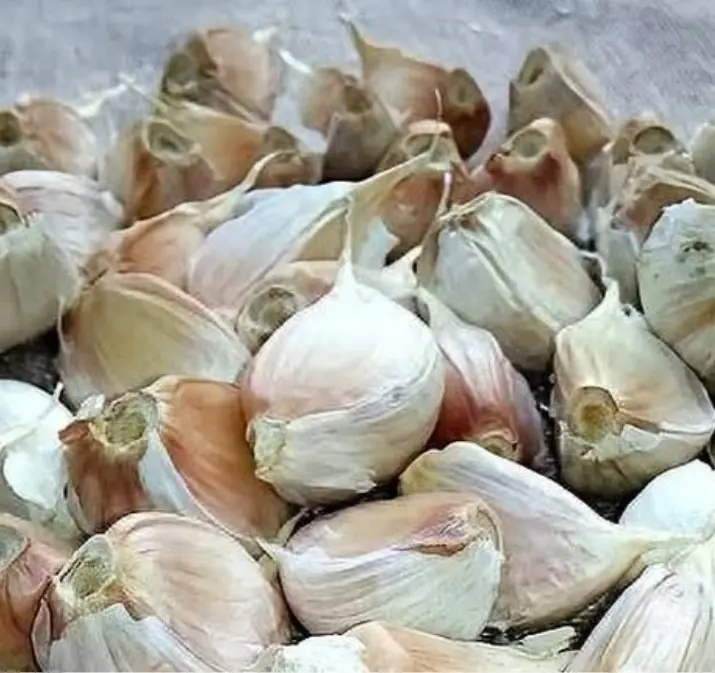
Brown patches, dark streaks, or unusual discoloration on the cloves may signal internal breakdown or fungal growth. Even if there is no visible mold, discoloration suggests the garlic is no longer fresh.
What Causes Garlic to Spoil?
Several factors can shorten garlic’s shelf life:
-
High humidity.
-
Poor ventilation.
-
Exposure to sunlight.
-
Storing garlic in sealed plastic bags.
-
Physical damage during transport.
Garlic stores best in a cool, dry, well-ventilated space. When kept properly, whole bulbs can last several weeks to months.
Advice for Buyers
When purchasing garlic:
-
Choose bulbs that feel heavy for their size.
-
Look for tight, papery skin.
-
Avoid bulbs with cracks, holes, or visible moisture.
-
Gently squeeze to check firmness.
If buying from open markets, inspect carefully before placing it in your basket. It’s better to spend a few extra seconds checking than risk bringing spoiled produce home.
Advice for Sellers
Vendors should also monitor garlic quality regularly. Selling spoiled garlic can damage trust and reputation.
Remove any bulbs showing signs of mold or softness. Store inventory in dry, breathable containers and rotate stock to ensure older bulbs are sold first.
Maintaining proper storage conditions protects both the product and the customer.
Is Bad Garlic Dangerous?
While slightly aged garlic may simply taste less flavorful, moldy or rotten garlic can potentially cause foodborne illness. Symptoms may include nausea, stomach cramps, or digestive discomfort.
Additionally, spoiled garlic can contaminate other ingredients during food preparation.
The Bottom Line
Garlic may be readily available in markets year-round, but not every bulb deserves a place in your kitchen. Visible mold, excessive sprouting, soft texture, and discoloration are all signs that the garlic is past its best.