When people think about heart problems, they usually imagine chest pain or shortness of breath. But in many cases, the body sends earlier and quieter warning signals—sometimes in unexpected places like your legs and feet.
Because your heart is responsible for pumping blood throughout your entire body, circulation problems often show up in the lower extremities first. Reduced blood flow, fluid buildup, and nerve changes can all indicate that your cardiovascular system may be under strain.
Here are five signs your heart could be in serious danger—and why you should never ignore them.
1. Swollen Feet and Ankles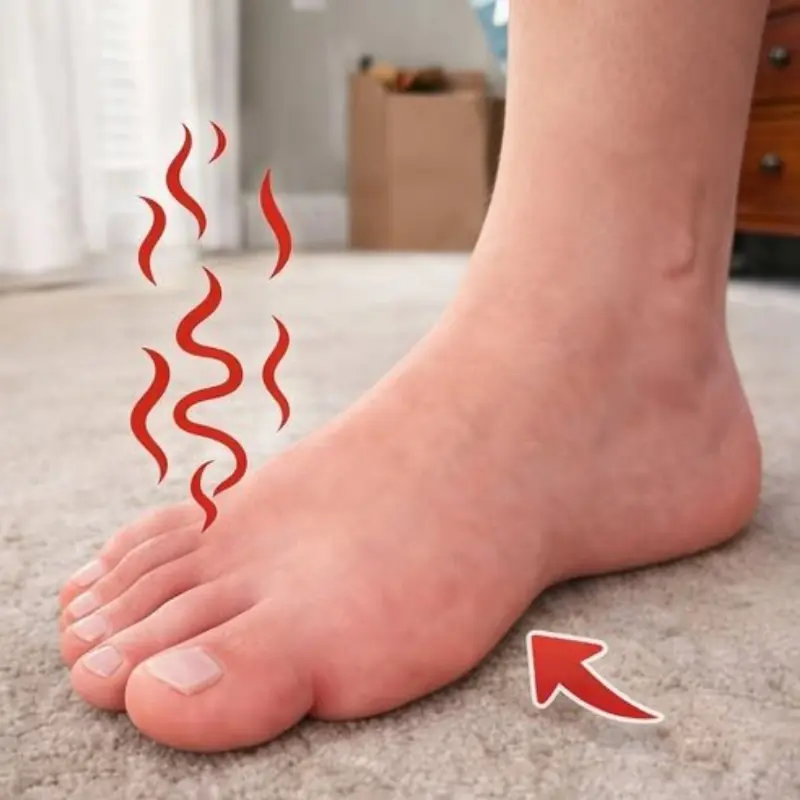
Persistent swelling in the feet or ankles, especially toward the end of the day, may signal fluid retention. This condition, known as edema, can occur when the heart is not pumping blood efficiently.
When circulation slows, fluid can leak from blood vessels into surrounding tissues. Gravity pulls that excess fluid downward, causing noticeable swelling in the lower legs and feet.
Occasional swelling after long periods of standing may be harmless. However, if swelling is frequent, worsens over time, or is accompanied by fatigue or shortness of breath, it could indicate heart failure or poor circulation.
2. Burning or Tingling Sensation
A persistent burning, tingling, or “pins and needles” sensation in the feet may be linked to poor blood flow. When arteries become narrowed due to plaque buildup—a condition known as atherosclerosis—oxygen-rich blood struggles to reach the extremities.
This reduced circulation can cause discomfort, especially at night when you are lying down. In some cases, this may be related to peripheral artery disease (PAD), a condition strongly associated with heart disease.
If you notice worsening symptoms when resting and slight relief when standing or walking, it may be time to consult a healthcare professional.
3. Cold Feet That Don’t Warm Up
Cold feet are common in chilly weather, but chronically cold feet—even in warm environments—may point to circulation issues.
Healthy blood flow helps regulate body temperature. If your heart is not pumping effectively or arteries are blocked, your feet may feel unusually cold compared to the rest of your body.
When coldness is persistent and paired with color changes (such as pale or bluish toes), it could be a sign of vascular problems that deserve medical attention.
4. Leg Pain at Night
Pain or cramping in the legs, especially at night or while lying down, can be another red flag. Reduced blood flow during rest may lead to discomfort known as “rest pain,” a symptom sometimes linked to severe arterial blockage.
Unlike muscle soreness from exercise, circulatory pain may feel deep, aching, or throbbing. It often improves when you sit up or dangle your legs off the bed, as gravity helps blood flow downward.
Ignoring this symptom can be risky, as it may indicate advanced peripheral artery disease—an important warning sign for heart attack or stroke risk.
5. Slow-Healing Wounds on Feet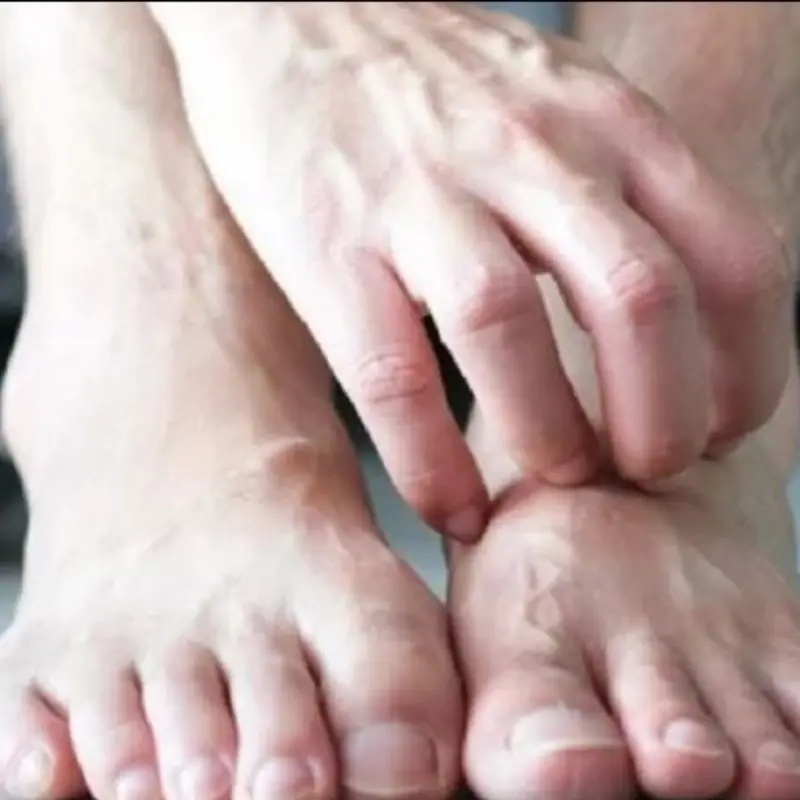
Cuts, blisters, or sores that heal slowly—or not at all—can signal compromised circulation. Proper wound healing requires adequate blood supply to deliver oxygen and nutrients to damaged tissue.
If blood flow is restricted due to arterial blockage or heart dysfunction, the healing process slows significantly. In severe cases, this can lead to infections or tissue damage.
Persistent foot wounds should never be ignored, especially in individuals with risk factors such as diabetes, high blood pressure, or high cholesterol.
Why These Signs Matter
Heart disease remains one of the leading causes of death worldwide. Early detection can significantly reduce the risk of life-threatening complications.
While chest pain and breathlessness are classic symptoms, the body often provides subtle warnings long before a major cardiac event occurs. Recognizing these early signals—particularly in the legs and feet—can prompt timely evaluation and treatment.
Who Is Most at Risk?
Certain factors increase the likelihood of heart-related circulation problems:
-
Smoking
-
High blood pressure
-
High cholesterol
-
Diabetes
-
Obesity
-
Sedentary lifestyle
-
Family history of heart disease
If you have one or more of these risk factors and notice persistent lower-limb symptoms, seeking medical advice is especially important.
When to See a Doctor
You should seek medical attention if foot or leg symptoms are:
-
Persistent or worsening
-
Paired with chest discomfort
-
Accompanied by shortness of breath
-
Associated with dizziness or fainting
Early evaluation may include blood tests, ultrasound imaging, or cardiovascular screening.
The Bottom Line
Your feet may reveal more about your heart health than you realize. Swelling, burning sensations, coldness, nighttime leg pain, and slow-healing wounds can all signal underlying cardiovascular stress.
Pay attention to what your body is telling you. Early detection and lifestyle changes—such as improving diet, exercising regularly, and managing blood pressure—can dramatically reduce risk.