Fish is widely recognized as one of the healthiest protein sources available. It provides high-quality protein, omega-3 fatty acids, vitamin D, selenium, and essential minerals that support heart and brain health. However, not all fish are equal when it comes to safety. Some large predatory species accumulate high levels of mercury, a heavy metal that can pose serious health risks when consumed in excess.
Even if these fish are sold at attractive prices, their mercury content may outweigh the savings. Understanding which species are highest in mercury allows consumers to make safer dietary choices - especially for pregnant women, children, and individuals who eat fish frequently.
Why Mercury in Fish Is a Concern
Mercury enters oceans and rivers through industrial pollution, coal burning, and natural environmental processes. In water, microorganisms convert mercury into methylmercury, a highly toxic form that accumulates in aquatic organisms.
Small fish absorb methylmercury from water and plankton. Larger fish eat smaller fish, accumulating even more mercury over time. This process is called biomagnification.
As a result:
-
Long-lived fish contain more mercury
-
Large predatory species have the highest levels
-
Mercury accumulates in muscle tissue
When humans consume these fish, methylmercury can affect:
-
The nervous system
-
Brain development
-
Kidney function
-
Cardiovascular health
Pregnant women and young children are particularly vulnerable because mercury can interfere with fetal and early childhood brain development.
1. Swordfish

Swordfish consistently ranks among the highest in mercury concentration.
Why It’s High in Mercury
-
It is a large apex predator
-
It lives many years
-
It consumes other mercury-containing fish
Health agencies in many countries advise pregnant women and young children to avoid swordfish entirely.
Even though swordfish steaks are popular for grilling due to their firm texture, frequent consumption significantly increases mercury exposure.
2. Shark
Shark is another top predator with elevated mercury levels.
Risk Factors
-
Long lifespan
-
High trophic level
-
Slow reproductive cycle
Because sharks sit at the top of the food chain, mercury accumulates significantly in their tissues.
Health authorities often list shark among fish to avoid entirely during pregnancy.
3. King Mackerel

King mackerel contains much higher mercury levels than smaller mackerel species.
Important Distinction
Not all mackerel are high in mercury. For example:
-
Atlantic mackerel is generally low in mercury.
-
King mackerel is high in mercury.
Consumers often confuse the two.
King mackerel grows large and feeds on smaller fish, leading to mercury accumulation.
4. Tilefish (Gulf of Mexico)
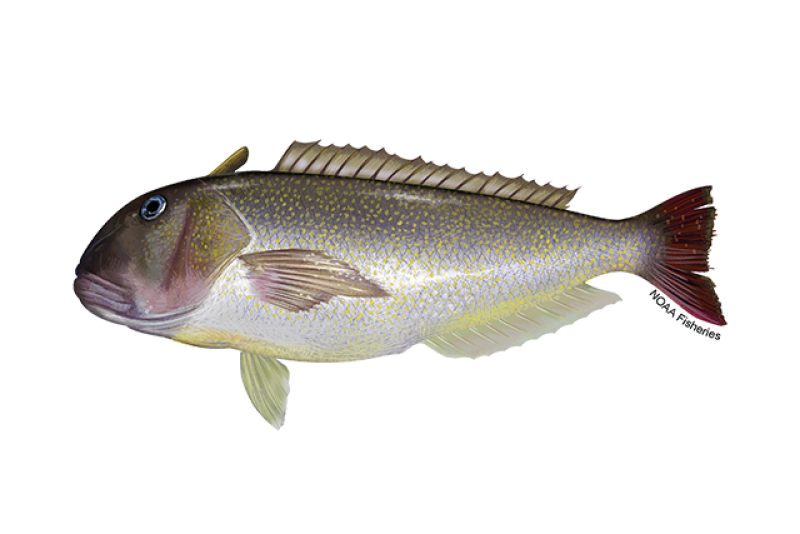
Tilefish, particularly those from the Gulf of Mexico, are known for high mercury levels.
Why Region Matters
Mercury concentration can vary by habitat. Certain regions show higher environmental contamination, affecting fish species differently.
Tilefish from some Atlantic areas may have lower levels, but Gulf tilefish is typically classified as high mercury.
5. Bigeye Tuna

Bigeye tuna tends to contain more mercury than smaller tuna varieties.
Why Tuna Varies
-
Canned light tuna (often skipjack) usually contains lower mercury.
-
Bigeye and certain large tuna steaks contain higher levels.
Frequent consumption of large tuna steaks may significantly increase mercury exposure.
Who Should Be Most Careful?
Certain groups are more vulnerable to mercury toxicity:
-
Pregnant women
-
Women planning pregnancy
-
Breastfeeding mothers
-
Infants and young children
-
People who consume fish multiple times per week
For these individuals, choosing low-mercury fish is particularly important.
Safer Fish Alternatives
Instead of high-mercury species, consider:
-
Salmon
-
Sardines
-
Atlantic mackerel (not king mackerel)
-
Trout
-
Anchovies
-
Herring
These fish provide omega-3 fatty acids while maintaining lower mercury levels.
How Much Mercury Is Too Much?
Health organizations establish reference doses for methylmercury exposure. Regular consumption of high-mercury fish can exceed these limits over time.
Symptoms of mercury overexposure may include:
-
Numbness or tingling
-
Memory problems
-
Coordination issues
-
Vision disturbances
However, toxicity usually develops gradually with repeated exposure.
Why Price Shouldn’t Be the Only Factor
Discounted fish may seem attractive, especially when large predatory species are on sale. However:
-
Lower price does not reduce mercury concentration.
-
Mercury cannot be removed by cooking.
-
Freezing does not reduce mercury levels.
Choosing safer species protects long-term health.
Balanced Perspective
Fish remains an important part of a healthy diet. The goal is not avoidance — it is informed selection.
Moderation matters. Occasional consumption of higher-mercury fish may not pose significant risk for healthy adults, but frequent intake increases exposure.
Understanding species differences allows consumers to maximize benefits while minimizing risk.
Final Thoughts
Five fish varieties commonly associated with high mercury levels include:
-
Swordfish
-
Shark
-
King mackerel
-
Gulf tilefish
-
Bigeye tuna
Even when sold at a discount, these species are not ideal choices for regular consumption — especially for vulnerable populations.
Smart seafood choices prioritize:
-
Smaller fish
-
Shorter lifespans
-
Lower trophic levels
In nutrition, quality matters more than price.
Making informed decisions today supports safer, healthier outcomes tomorrow.