A bright, white smile is often associated with confidence, youth, and good health. However, professional teeth whitening treatments can be expensive, and over-the-counter whitening kits may not be suitable for everyone. That’s why many people are turning to natural remedies using simple kitchen ingredients to help remove stains and improve the appearance of their teeth.
But do these home methods really work? And more importantly, are they safe? Let’s explore some of the most popular kitchen-based teeth whitening tips and how to use them responsibly.
Why Do Teeth Turn Yellow?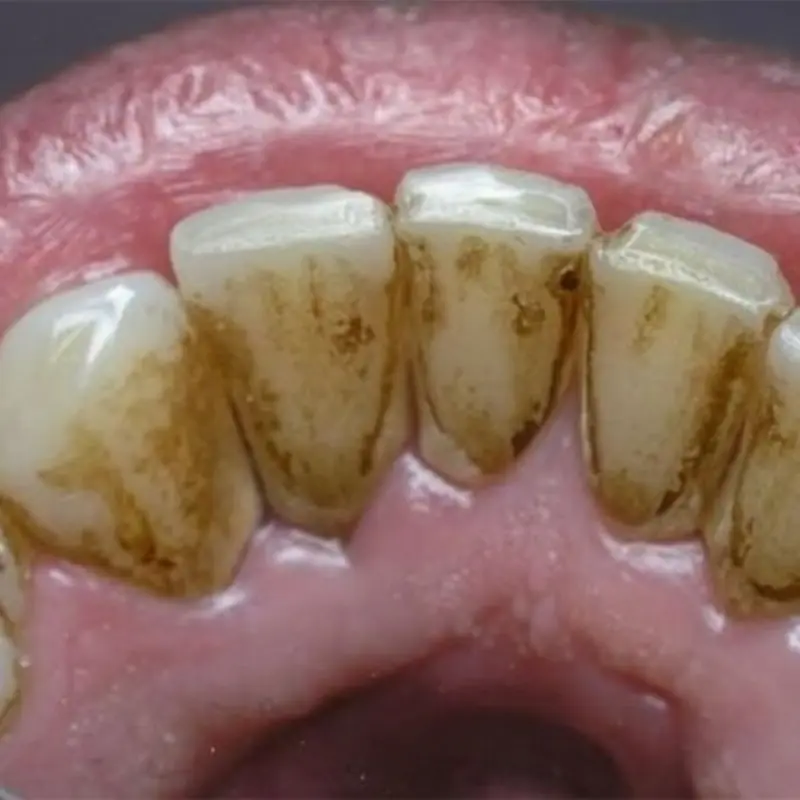
Before jumping into remedies, it’s helpful to understand why teeth become discolored in the first place. Common causes include:
-
Coffee, tea, and red wine consumption
-
Smoking or tobacco use
-
Poor oral hygiene
-
Aging (natural thinning of enamel)
-
Certain medications
Surface stains can often be improved with mild natural methods, but deeper discoloration may require professional dental care.
1. Baking Soda: A Gentle Polisher
Baking soda is one of the most widely recommended home remedies for whitening teeth. It has mild abrasive properties that help scrub away surface stains.
How to use it safely:
-
Mix a small amount of baking soda with water to create a paste.
-
Brush gently for about one minute.
-
Rinse thoroughly.
-
Limit use to 1–2 times per week.
While baking soda can help remove surface stains, overuse may damage enamel. Moderation is key.
2. Hydrogen Peroxide (Diluted)
Hydrogen peroxide is a common ingredient in many commercial whitening products. It acts as a mild bleaching agent.
Safe method:
-
Use a 1.5%–3% solution.
-
Dilute with equal parts water.
-
Swish for 30 seconds, then rinse thoroughly.
Never swallow hydrogen peroxide, and avoid frequent use without dental advice. If you have sensitive teeth or gum issues, consult a dentist first.
3. Oil Pulling with Coconut Oil
Oil pulling is an ancient practice believed to improve oral hygiene. While it may not dramatically whiten teeth, it can help reduce plaque and bacteria, which indirectly improves brightness.
How to do it:
-
Swish one tablespoon of coconut oil in your mouth for 10–15 minutes.
-
Spit it out (not into the sink—use a trash can).
-
Brush as usual afterward.
This method is gentle and safe for daily use.
4. Strawberries and Baking Soda
Strawberries contain malic acid, which may help remove surface stains. Some people mix mashed strawberries with baking soda for a natural whitening paste.
Use with caution:
-
Apply the mixture gently.
-
Leave on for no more than 5 minutes.
-
Rinse and brush with fluoride toothpaste afterward.
-
Limit to once a week.
The acidity of strawberries can weaken enamel if overused.
5. Activated Charcoal
Activated charcoal has become popular for natural teeth whitening. It binds to surface stains and may help remove them.
Important tips:
-
Use sparingly (once a week).
-
Brush gently.
-
Choose a fine powder to reduce abrasion.
Scientific evidence is still limited, so avoid aggressive or daily use.
What to Avoid
Some online “hacks” can be harmful. Avoid:
-
Lemon juice or vinegar directly on teeth (highly acidic)
-
Excessive scrubbing
-
Frequent use of abrasive substances
-
Skipping fluoride toothpaste
Enamel does not grow back. Protecting it should always be your priority.
When to See a Dentist
If your teeth remain deeply discolored despite home care, consult a dentist. Professional whitening treatments are more controlled, effective, and safer for long-term results. In some cases, discoloration may signal underlying dental problems that require attention.
The Bottom Line
Kitchen ingredients can help improve surface stains and enhance your smile when used properly and in moderation. Baking soda, coconut oil, and diluted hydrogen peroxide may offer mild whitening benefits without the high cost of professional treatments.
However, no home remedy replaces proper oral hygiene. Brush twice daily with fluoride toothpaste, floss regularly, limit staining foods and drinks, and schedule routine dental check-ups.