It’s a familiar frustration in many kitchens: your once-reliable non-stick pan starts to lose its smooth surface. Food sticks. The coating looks scratched or begins to peel. Your first instinct might be to throw it out and buy a new one.
But before you rush to the store, there are a few things you should know. While a fully damaged non-stick coating cannot truly be “repaired” to factory condition, there are ways to improve the pan’s performance, extend its life temporarily, and determine whether it’s still safe to use.
Let’s break down what’s happening—and what you can realistically do.
Why Non-Stick Pans Start Peeling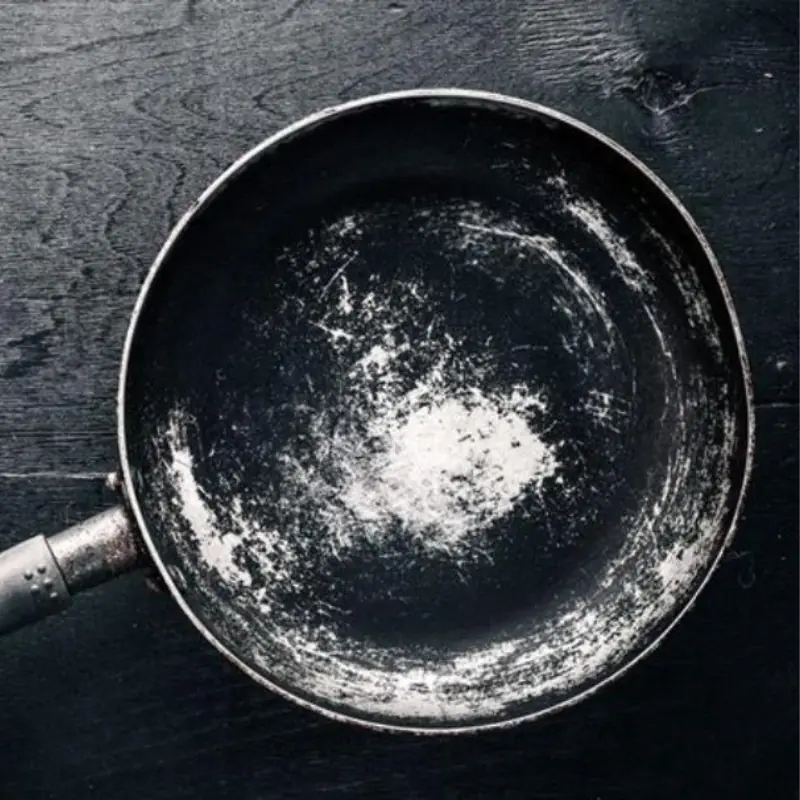
Non-stick pans are typically coated with PTFE (commonly known as Teflon) or ceramic-based materials. Over time, several factors can cause the coating to degrade:
-
High heat exposure
-
Metal utensils scratching the surface
-
Abrasive cleaning pads
-
Sudden temperature changes
-
Dishwasher use
Once the coating begins to peel, the non-stick properties weaken significantly.
Can You Really Restore a Peeling Non-Stick Coating?
Here’s the honest answer: you cannot fully restore a chemically bonded non-stick coating at home. Once it’s peeling, the original layer cannot be reapplied without industrial equipment.
However, if the coating is only mildly worn and not flaking severely, you can sometimes improve the surface performance using a simple conditioning method.
The Simple “Restoration” Trick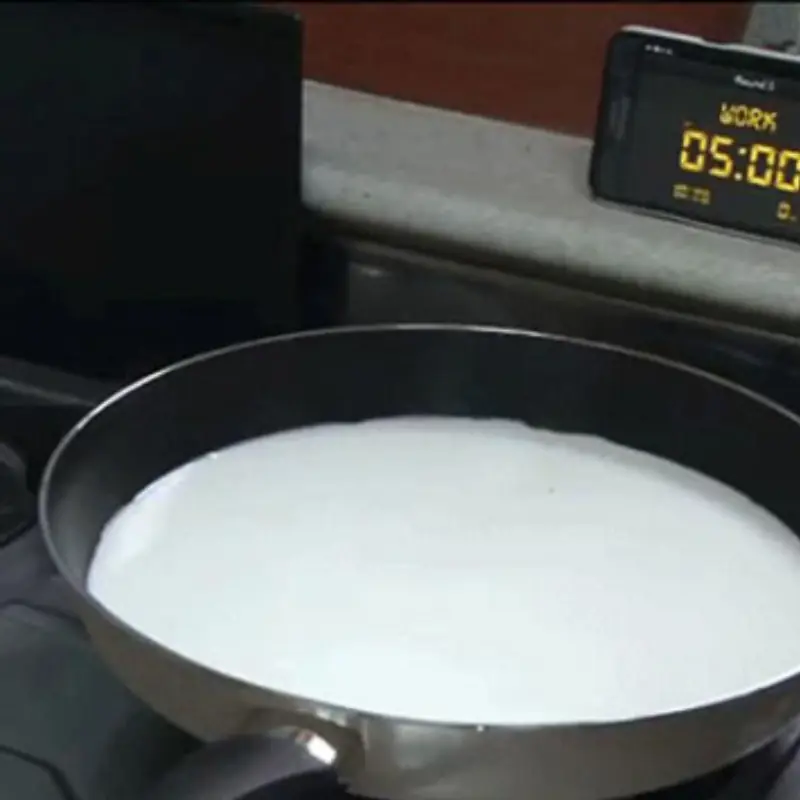
One common trick involves reconditioning the surface to temporarily improve slickness:
Step 1: Deep Clean the Pan
Wash the pan thoroughly with warm water and mild dish soap. Avoid abrasive sponges. If there is residue buildup, gently simmer a mixture of water and baking soda for 5–10 minutes, then rinse and dry completely.
Step 2: Apply a Thin Layer of Oil
Lightly coat the cooking surface with a high-smoke-point oil such as vegetable oil or canola oil.
Step 3: Heat Gently
Place the pan on low to medium heat for about 2–3 minutes. Do not overheat. This allows the oil to lightly bond to the surface.
Step 4: Wipe Off Excess Oil
Once cooled, wipe away any excess oil with a paper towel.
This method can temporarily improve the surface’s non-stick performance, especially if the coating is only slightly worn rather than actively flaking.
Important Safety Warning
If the coating is visibly peeling, chipping, or flaking into food, it’s generally best to replace the pan. While modern non-stick coatings are considered safe under normal use, ingesting flakes is not recommended.
Also, once the protective layer is compromised, the underlying metal may heat unevenly and reduce cooking performance.
No home trick can safely rebuild a damaged non-stick layer.
When to Replace the Pan
You should consider replacing your non-stick pan if:
-
The coating is visibly peeling or bubbling
-
Food sticks even after conditioning
-
The pan has deep scratches
-
The base is warped
Non-stick pans are not designed to last forever. On average, they perform well for 3–5 years with proper care.
How to Make Your Next Pan Last Longer
If you’re investing in a new pan, follow these care tips to extend its life:
-
Avoid high heat—medium is usually enough
-
Never preheat an empty pan for long periods
-
Use silicone, wooden, or plastic utensils
-
Hand wash instead of using a dishwasher
-
Avoid stacking pans without protection
Proper maintenance can significantly slow down coating wear.
Is Milk a Real Fix?
Some viral tips suggest boiling milk in a peeling non-stick pan to “restore” the coating. While heating milk may create a temporary film due to proteins and fats, it does not chemically repair the coating. At best, it may reduce sticking slightly for a short time.
Be cautious about believing dramatic restoration claims. If a pan is truly peeling, replacement is the safest option.
The Bottom Line
Before throwing away a worn non-stick pan, try deep cleaning and light oil conditioning if the damage is minimal. This can sometimes improve performance temporarily.
However, if the coating is actively peeling or flaking, the safest choice is replacement. No home remedy can permanently restore a damaged non-stick layer.