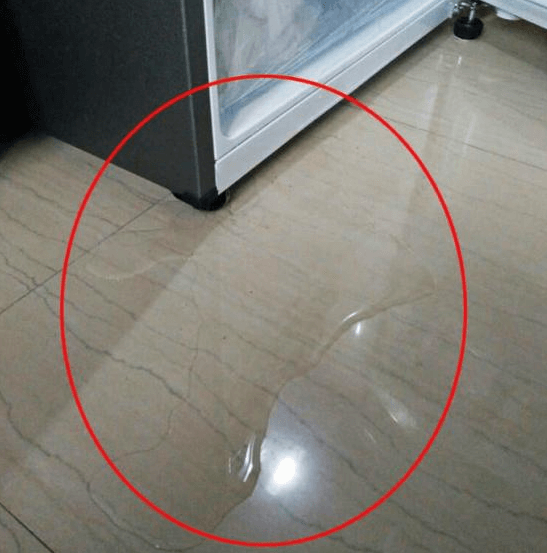
A leaking refrigerator is more than just an inconvenience. Water pooling under or inside your fridge can damage flooring, reduce cooling efficiency, and signal internal mechanical issues. The good news is that most refrigerator leaks are caused by common, fixable problems.
Understanding the root causes — and acting quickly — can prevent expensive repairs and significantly extend the lifespan of your appliance.
Below is a detailed breakdown of why refrigerators leak, how to fix the issue, and how to maintain your unit for long-term performance.

Common Causes of Refrigerator Leaks
1. Clogged or Frozen Defrost Drain
One of the most frequent causes of refrigerator leaks is a blocked defrost drain.
How It Happens
Modern refrigerators automatically defrost. During this cycle, melted frost flows through a small drain hole into a pan beneath the unit, where it evaporates.
Over time:
-
Food particles
-
Debris
-
Ice buildup
can clog the drain.
When the drain is blocked, water backs up and may leak onto shelves or the floor.
Quick Fix
-
Unplug the refrigerator.
-
Locate the defrost drain (usually at the back of the freezer).
-
Flush it with warm water using a turkey baster or syringe.
-
If frozen, gently thaw with warm water — never use sharp objects.
This simple fix often resolves the issue immediately.
2. Damaged or Dirty Door Gasket
The door gasket (rubber seal) ensures an airtight closure.
Why It Causes Leaks
If the seal is cracked, loose, or dirty:
-
Warm air enters
-
Excess condensation forms
-
Water accumulates inside
Over time, this condensation may drip externally.
Quick Fix
-
Clean the gasket with mild soap and warm water.
-
Inspect for cracks or brittleness.
-
Replace if damaged.
A tight seal improves energy efficiency and prevents moisture buildup.
3. Full or Misaligned Drain Pan
At the bottom of the refrigerator sits a drain pan that collects defrost water.
Possible Issues
-
Pan may be cracked.
-
Pan may be misaligned.
-
In rare cases, excessive water may overflow.
Quick Fix
-
Remove and inspect the pan.
-
Clean it thoroughly.
-
Ensure proper positioning.
-
Replace if damaged.
4. High Humidity Levels
In humid environments, refrigerators may produce more condensation.
Why It Happens
Frequent door opening combined with humid air increases internal moisture. This may appear as:
-
Water droplets on shelves
-
Dripping near vents
Quick Fix
-
Limit unnecessary door opening.
-
Ensure doors close completely.
-
Keep refrigerator temperature between 3–4°C (37–40°F).
5. Improper Leveling
If the refrigerator is not level:
-
Water may not flow properly to the drain.
-
Doors may not seal tightly.
Quick Fix
Use a level tool. Adjust the front feet so the refrigerator tilts slightly backward. This helps doors close automatically and supports proper drainage.
When the Leak Is Coming from the Water Line
If your refrigerator has:
-
An ice maker
-
A water dispenser
the leak may originate from a damaged supply line.
Signs of Water Line Leaks
-
Continuous water pooling
-
Drips from behind the unit
-
Reduced water pressure
Quick Fix
-
Inspect the supply line for cracks.
-
Tighten loose connections.
-
Replace damaged tubing.
Turn off the water supply before inspecting.
Maintenance Tips to Extend Refrigerator Lifespan
A refrigerator typically lasts 10–15 years. Proper maintenance can maximize that lifespan.
1. Clean the Condenser Coils
Dirty coils force the compressor to work harder.
How Often?
Every 6 months.
How?
-
Unplug the unit.
-
Use a vacuum or coil brush.
-
Remove dust buildup.
This improves cooling efficiency and reduces strain on internal components.
2. Maintain Proper Temperature
Optimal settings:
-
Refrigerator: 3–4°C (37–40°F)
-
Freezer: -18°C (0°F)
Incorrect temperatures increase compressor workload and moisture production.
3. Avoid Overloading
Overpacking blocks airflow, causing uneven cooling and condensation.
Maintain balanced spacing for proper circulation.
4. Inspect Seals Regularly
A simple paper test works:
-
Close the door on a piece of paper.
-
If it slides out easily, the seal may need replacement.
Strong seals reduce energy waste and moisture intrusion.
5. Keep Drain Clear Proactively
Even if not leaking, periodically flush the defrost drain with warm water to prevent future clogs.
Signs You Need Professional Repair
While many leaks are simple to fix, professional service may be needed if:
-
Leak persists after clearing drain
-
Compressor is noisy or overheating
-
Cooling performance declines
-
Ice buildup becomes excessive
-
Electrical components appear compromised
Ignoring persistent leaks can lead to:
-
Mold growth
-
Structural floor damage
-
Compressor failure
Early intervention prevents major expense.

Why Acting Quickly Matters
Water damage may seem minor, but it can:
-
Warp wooden floors
-
Damage cabinetry
-
Increase electricity bills
-
Reduce appliance efficiency
Addressing small leaks early prevents larger mechanical failures.
Final Thoughts
A leaking refrigerator is usually a sign of a manageable issue — not necessarily a failing appliance.
Most common causes include:
-
Clogged defrost drain
-
Damaged door seal
-
Misaligned drain pan
-
Humidity imbalance
-
Water line issues
With simple maintenance and routine inspections, you can keep your refrigerator operating efficiently for years.
Appliance longevity is not about luck — it is about preventive care.
Fix small problems early, maintain consistent cleaning habits, and your refrigerator will reward you with reliable performance and extended service life.