If you’ve ever prepared shrimp at home, you’ve likely noticed the thin, dark line running along the back. Many recipes instruct you to “devein” shrimp before cooking, but what exactly is that black vein — and is it dangerous if you eat it?
The answer is simpler than many people think. The black vein is not actually a vein at all. It is the shrimp’s digestive tract. While it may look unappetizing, it is not inherently toxic. However, whether you should remove it depends on factors like cleanliness, taste preference, and preparation method.
Let’s break it down clearly.
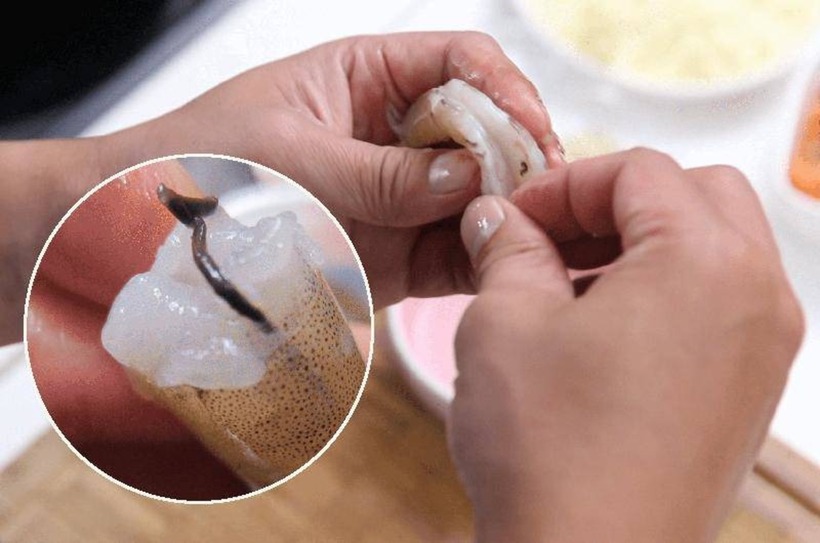
What Is the Black Vein?
The dark line running along the shrimp’s back is its intestinal tract. It contains:
-
Partially digested food
-
Sand or grit
-
Waste material
Because shrimp are bottom feeders, their digestive systems may contain small particles from the ocean floor.
The color varies:
-
Black or dark brown when full
-
Clear or barely visible when empty
Large shrimp tend to have more noticeable digestive tracts, while smaller shrimp may have very thin or nearly invisible ones.
Is It Dangerous to Eat?
In most cases, eating the vein is not harmful.
When shrimp are cooked properly:
-
Heat destroys most harmful bacteria.
-
The digestive tract becomes sterile.
However, there are a few considerations.
1. Texture
The vein may feel gritty due to sand particles. This can affect the eating experience more than safety.
2. Taste
Some people report a slightly bitter or unpleasant flavor when the vein is left intact, especially in larger shrimp.
3. Cleanliness
If shrimp are not cleaned thoroughly before cooking, the digestive tract may contain debris that is simply undesirable to consume.
When Should You Remove It?
Removing the vein (deveining) is recommended when:
-
Using large shrimp
-
Serving shrimp whole for presentation
-
Preparing dishes where appearance matters
-
You want the cleanest possible flavor
For small shrimp used in soups, stir-fries, or heavily seasoned dishes, many cooks skip deveining without issue.
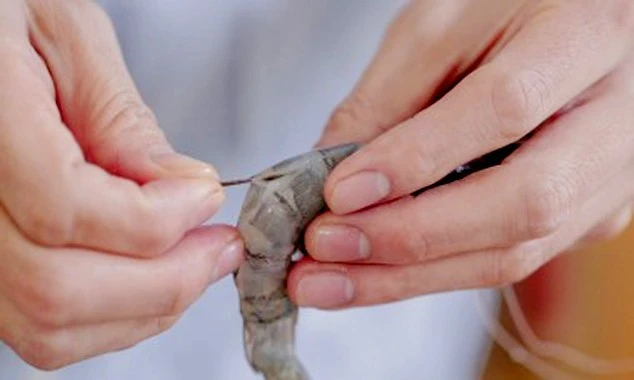
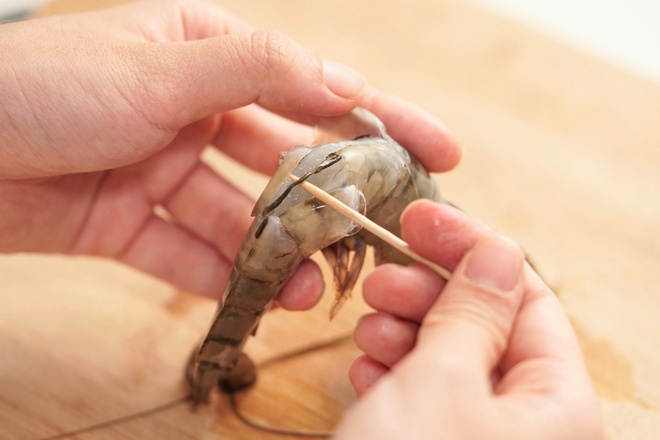
How to Devein Shrimp Properly
Deveining is simple and only takes a minute.
-
Peel the shell (if not already peeled).
-
Use a small knife to make a shallow slit along the back.
-
Lift out the dark line with the tip of the knife or rinse it away under water.
That’s it.
Some shrimp are sold pre-deveined, saving preparation time.
What About the “Second Vein” Underneath?
Occasionally, you may see a lighter line along the underside of the shrimp. This is part of the shrimp’s nerve cord — not another digestive tract. It is safe to eat and usually does not require removal.
Does Cooking Method Matter?
Yes.
-
Boiling, grilling, frying, and steaming all reach temperatures high enough to kill bacteria.
-
Raw consumption (such as in certain seafood dishes) increases food safety concerns overall, but the digestive tract itself is not uniquely dangerous compared to the rest of raw shrimp.
Proper refrigeration and handling matter more than the presence of the vein.
Nutritional Impact
The digestive tract does not significantly change the shrimp’s nutritional profile. Shrimp are rich in:
-
Protein
-
Selenium
-
Vitamin B12
-
Iodine
-
Omega-3 fatty acids
Removing or keeping the vein does not meaningfully affect nutritional value.
When It Might Be a Concern
While generally safe, there are exceptions:
-
Poorly stored shrimp may harbor bacteria throughout the flesh, not just the vein.
-
Shrimp from contaminated waters may contain pollutants, though these accumulate in tissue rather than only in the digestive tract.
Proper sourcing is more important than deveining.
Always purchase shrimp from reputable suppliers.
Cultural and Culinary Differences
In some cuisines, shrimp are almost always deveined for visual appeal. In others, especially where shrimp are small, the digestive tract is commonly left intact.
Professional chefs often remove it primarily for aesthetics rather than safety.
So, Should You Worry?
In short:
-
The black vein is the shrimp’s intestine.
-
It is not toxic.
-
Cooking neutralizes bacteria.
-
Removing it improves appearance and texture.
If you accidentally eat it, there is no need for concern.
Final Thoughts
The black vein in shrimp may look alarming, but it is simply part of the shrimp’s anatomy. While it contains waste material, proper cooking makes it safe to consume. The decision to remove it comes down to preference, presentation, and texture rather than health risk.
Understanding the difference between appearance and actual danger helps avoid unnecessary worry.
In cooking, knowledge replaces myths — and sometimes what looks unpleasant is simply natural biology at work.