When people think about heart health, they often picture cutting salt, avoiding fried food, or exercising more. All of that matters. But here’s something many overlook: color on your plate.
Yellow foods, in particular, are packed with carotenoids, flavonoids, vitamin C, potassium, and heart-protective antioxidants. These nutrients work at the cellular level to reduce inflammation, improve blood vessel function, and support healthy cholesterol levels.
Let’s break down five powerful yellow foods that genuinely support cardiovascular health — and why they deserve a regular spot in your diet.
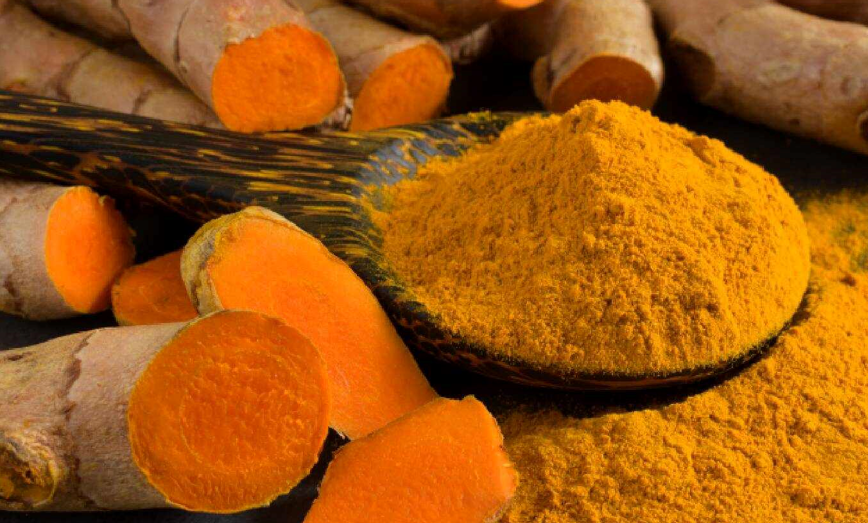
1. Turmeric
Turmeric isn’t just trendy — it’s clinically studied.
The active compound in turmeric, curcumin, has potent anti-inflammatory and antioxidant properties. Chronic inflammation plays a central role in atherosclerosis (the buildup of plaque inside arteries). Curcumin helps suppress inflammatory pathways such as NF-κB, which are strongly linked to cardiovascular disease progression.
Why it’s good for the heart:
-
Helps reduce systemic inflammation
-
Supports endothelial function (the inner lining of blood vessels)
-
May improve LDL oxidation markers
-
Assists in regulating blood pressure
How to use it:
Add turmeric to soups, curries, rice, or blend it into a golden milk latte. Pair it with black pepper — piperine enhances curcumin absorption significantly.
2. Yellow Bell Peppers
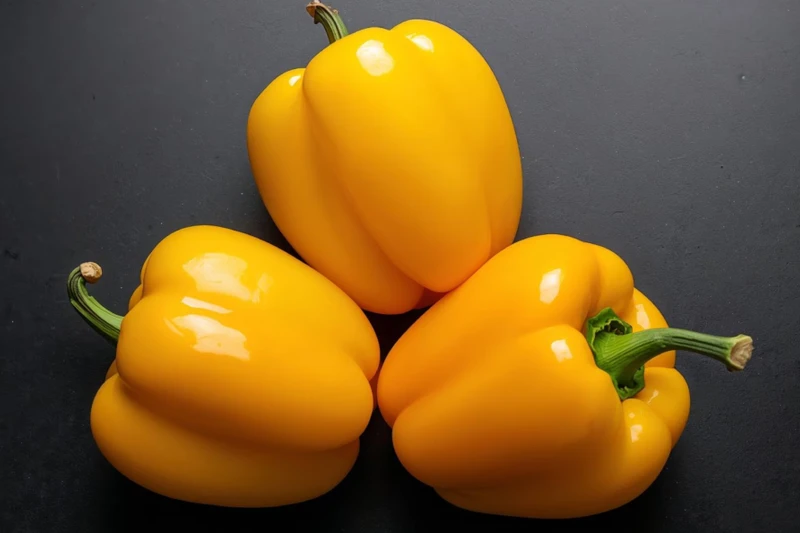
Yellow bell peppers are incredibly rich in vitamin C, an antioxidant essential for vascular integrity.
Vitamin C helps protect arteries from oxidative damage and supports collagen production, which maintains strong blood vessel walls. These peppers are also low in calories and high in fiber — a win for lipid management.
Cardiovascular benefits:
-
Reduces oxidative stress
-
Supports healthy blood pressure
-
Contributes to lower LDL cholesterol
-
Promotes arterial elasticity
Pro tip:
Eat them raw in salads to preserve vitamin C content. Light sautéing also works if you prefer softer texture.
3. Bananas
Bananas are famous for one thing: potassium.
Potassium plays a crucial role in regulating blood pressure by counterbalancing sodium levels. Adequate potassium intake reduces strain on blood vessels and lowers hypertension risk — one of the biggest contributors to heart disease and stroke.
Heart-protective mechanisms:
-
Helps regulate blood pressure
-
Reduces risk of stroke
-
Supports normal heart rhythm
-
Provides soluble fiber for cholesterol control
Bananas also contain resistant starch (especially slightly green bananas), which supports gut microbiome balance — increasingly linked to cardiovascular health.
Best time to eat:
Morning or pre-workout for steady energy and electrolyte support.
4. Pineapple
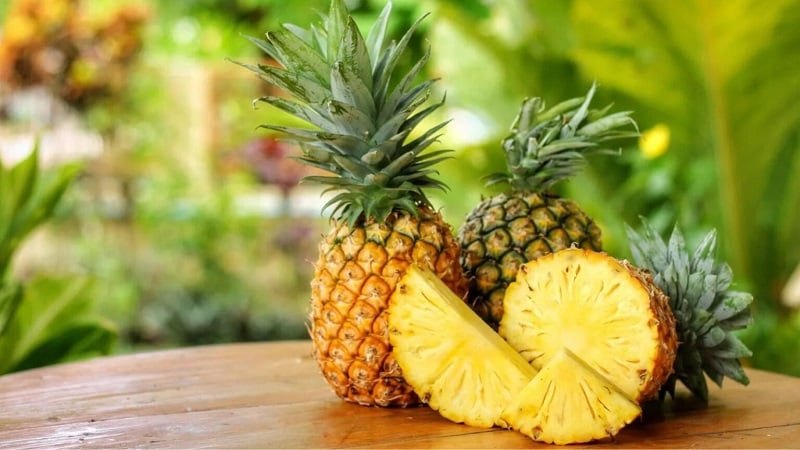
Pineapple contains bromelain, a natural enzyme complex with anti-inflammatory properties.
Bromelain has been studied for its ability to reduce platelet aggregation — meaning it may help prevent excessive blood clot formation. While not a replacement for medical treatment, it offers supportive cardiovascular benefits when consumed as part of a balanced diet.
Why pineapple supports the heart:
-
Reduces inflammation
-
Supports healthy blood flow
-
Provides vitamin C and manganese
-
Assists in digestion, reducing metabolic strain
Important note:
Fresh pineapple contains the highest bromelain levels. Canned versions lose much of this enzyme during processing.
5. Lemons
Lemons are small but metabolically powerful.
They are rich in vitamin C and flavonoids, which help reduce oxidative damage to LDL cholesterol. Oxidized LDL is a key factor in plaque formation within arteries.
Cardiovascular advantages:
-
Supports healthy cholesterol levels
-
Promotes vascular flexibility
-
Enhances detoxification pathways in the liver
-
Encourages hydration when added to water
Starting the day with warm lemon water may help stimulate digestion and indirectly support metabolic health — which is deeply tied to heart function.
Why Yellow Foods Matter for Heart Health
Yellow fruits and vegetables often contain:
-
Carotenoids (like beta-cryptoxanthin and lutein)
-
Vitamin C
-
Flavonoids
-
Potassium
-
Polyphenols
These compounds reduce oxidative stress, decrease inflammation, support endothelial function, and improve lipid metabolism. Cardiovascular disease is not caused by one single factor — it develops over years through inflammation, oxidative damage, hypertension, and metabolic imbalance.
Yellow foods address multiple pathways at once.

The Bigger Picture
No single food prevents heart disease on its own. Cardiovascular health depends on:
-
Balanced nutrition
-
Regular physical activity
-
Stress management
-
Quality sleep
-
Avoiding smoking
-
Managing blood pressure and blood sugar
But adding these five yellow superfoods is a simple, evidence-aligned step that supports long-term heart resilience.
Sometimes, protection doesn’t start with restriction.
It starts with adding the right colors to your plate. 💛
If the goal is a stronger heart, brighter foods might be the easiest place to begin.