Learn How to Eliminate These Unwanted, Foul-Smelling Little Stones
Have you ever coughed and noticed a small white lump with a strong, unpleasant odor coming from your throat? This is more common than you might think.
Many people experience these small formations without knowing what they are. Known as tonsil stones (tonsilloliths), they can be uncomfortable and are a frequent cause of persistent bad breath.
At first, tonsil stones are usually harmless, causing mainly bad odor as a nuisance. However, if they are not removed or if they appear too often, they may contribute to bigger problems, such as tonsillitis and other inflammatory conditions.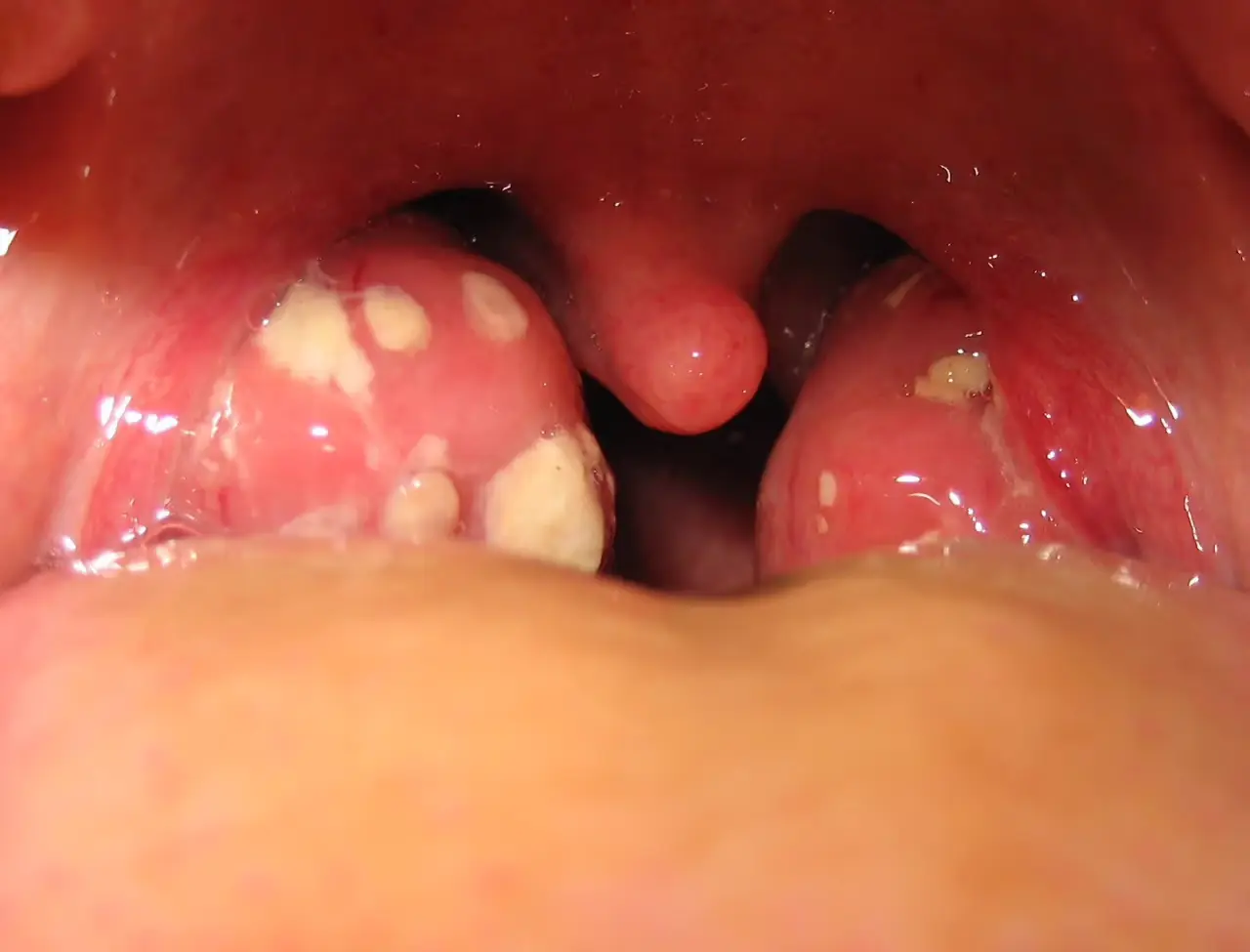
What Are Tonsil Stones?
Tonsil stones are small, hardened formations that develop in the tonsils. They are primarily made up of organic debris, such as food particles, dead cells from the oral mucosa, and bacteria.
When these particles become trapped in the small crevices (crypts) of the tonsils, they combine with calcium present in saliva and gradually harden, forming these “stones.” The strong smell comes from the decomposition of the accumulated material.
In other words, tonsil stones do not form overnight. They result from a continuous and often unnoticed buildup over time.
Main Symptoms You Should Watch For
Tonsil stones do not always cause pain, but they can lead to several uncomfortable symptoms, including:
-
Persistent bad breath, even with good oral hygiene
-
A sensation of something stuck in the throat
-
Mild difficulty swallowing
-
Dry or irritating cough
-
Frequent tonsil irritation or inflammation
Symptoms vary from person to person. Some individuals naturally expel tonsil stones while coughing or eating firm foods, without ever realizing what happened.
Why Do Tonsil Stones Form?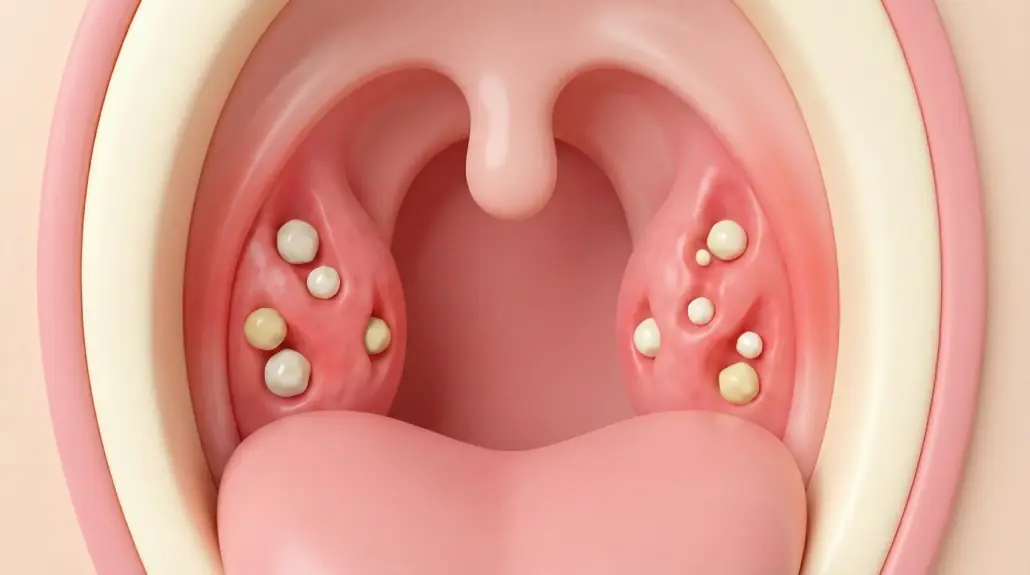
Several factors can increase the likelihood of developing tonsil stones. The structure of your tonsils plays a role — people with deeper tonsil crypts are more prone to buildup. Other contributing factors include:
-
Poor oral hygiene
-
Recurrent tonsillitis
-
Reduced saliva production
-
Smoking or habitual mouth breathing
-
Excessive consumption of dairy products or residue-forming foods
All these factors encourage debris accumulation in the throat, creating an environment where tonsil stones can form.
How to Remove Tonsil Stones Safely
In many cases, tonsil stones dislodge on their own. When they do not, safe removal methods include:
-
Oral irrigators: Devices that use gentle water jets to help clean the tonsils.
-
Warm saltwater rinses: Help reduce inflammation and loosen trapped debris.
-
Firm, crunchy foods: Apples or toast may naturally help dislodge small stones.
-
Professional removal: In persistent or painful cases, consult an otolaryngologist (ENT specialist) for safe extraction.
Avoid using sharp objects or pressing aggressively on your throat, as this can cause injury or infection.
Can Tonsil Stones Be Prevented?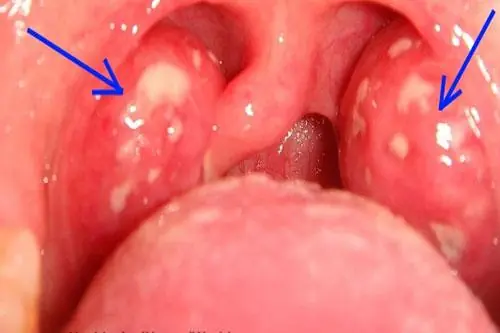
Prevention begins with consistent oral and throat hygiene. Simple habits can significantly reduce the risk:
-
Brush your teeth and tongue after meals
-
Floss daily
-
Use an antiseptic mouthwash
-
Stay well hydrated
-
Limit sticky or residue-forming foods
Keeping your mouth and throat clean not only helps prevent tonsil stones but also supports overall oral health and reduces the risk of infections.
Although tonsil stones are usually not dangerous, they can negatively impact comfort and confidence — especially due to bad breath. Proper care and awareness can make a meaningful difference.