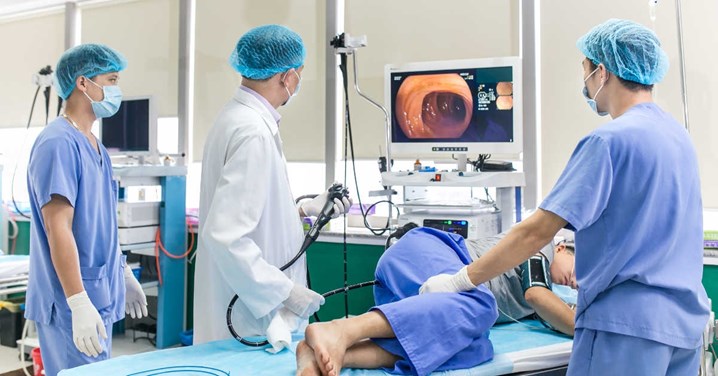
A colonoscopy is one of the most effective screening tools for detecting colorectal cancer and identifying precancerous polyps before they become life-threatening. It is widely recommended for adults beginning at age 45, or earlier for individuals with increased risk factors.
While most people focus on the preparation process — dietary restrictions, bowel cleansing solutions, and sedation — there is one crucial question that often goes unasked:
“What type of bowel preparation is best and safest for my specific health condition?”
This question may seem simple, but it has significant implications for safety, comfort, and the overall effectiveness of the procedure.
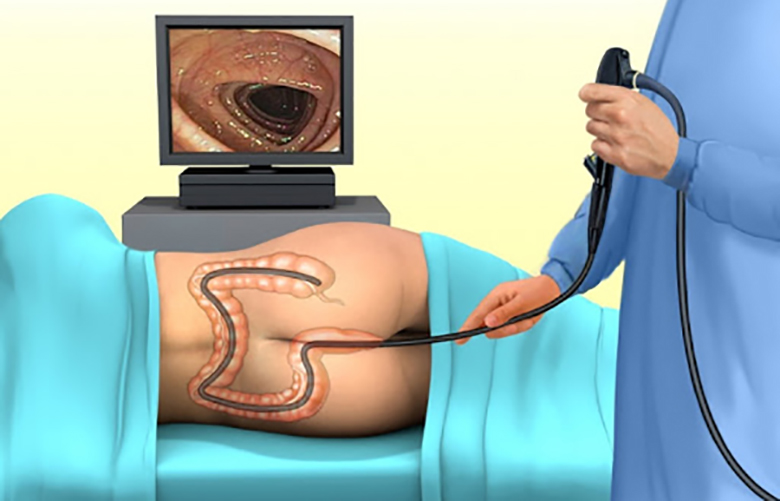
Why This Question Matters
The success of a colonoscopy depends heavily on how clean the colon is at the time of examination. Inadequate bowel preparation can:
-
Obscure small polyps or lesions
-
Prolong the procedure
-
Require repeat testing
-
Reduce detection accuracy
However, bowel preparation is not one-size-fits-all. Different formulations exist, and some may not be appropriate for individuals with certain medical conditions.
Understanding Bowel Preparation Options
Most colonoscopy preparations involve drinking a prescribed solution that induces temporary diarrhea to clear the colon. Preparations generally fall into several categories:
-
Polyethylene glycol (PEG)–based solutions
-
Low-volume combination preparations
-
Sodium phosphate–based agents
-
Sulfate-based solutions
Each type differs in volume, electrolyte composition, and safety profile.
For example:
-
Patients with kidney disease must avoid certain phosphate-containing preparations.
-
Individuals with heart conditions may require careful electrolyte monitoring.
-
Those prone to dehydration may benefit from split-dose regimens with adequate hydration guidance.
Asking about the safest preparation tailored to your health status reduces risk and improves procedural outcomes.
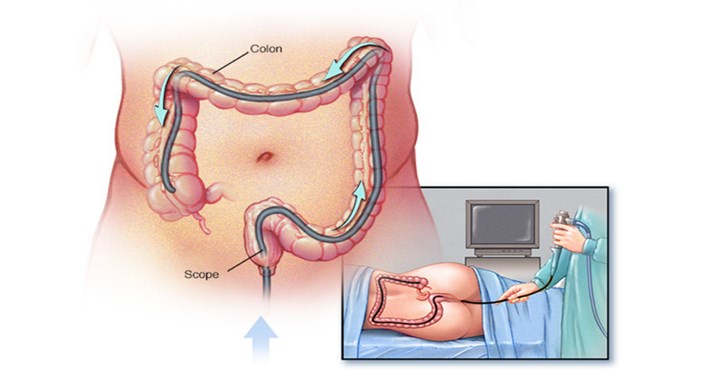
Personal Health Factors That Influence Preparation Choice
Before your colonoscopy, your healthcare provider should review:
-
Kidney function
-
Liver function
-
Heart disease history
-
Diabetes management
-
Use of blood thinners
-
History of electrolyte imbalance
-
Gastrointestinal conditions
Certain medications — including anticoagulants, insulin, and antihypertensives — may require temporary adjustments prior to the procedure. Failing to clarify these details can increase complication risk.
By asking about the most appropriate preparation strategy, you open the door to a more individualized plan.
Safety Considerations Often Overlooked
While colonoscopy is generally safe, complications can occur. Most are rare, but awareness is essential. Potential risks include:
-
Dehydration
-
Electrolyte disturbances
-
Kidney injury
-
Adverse reactions to sedation
-
Bleeding (especially if polyps are removed)
-
Perforation (very rare)
Discussing preparation type helps mitigate avoidable complications — particularly those related to fluid balance and electrolyte shifts.
The Role of Split-Dose Preparation
Research consistently shows that split-dose bowel preparation — where part of the solution is taken the evening before and the remainder on the morning of the procedure — significantly improves colon cleanliness.
When asking your doctor about preparation, also clarify:
-
Should it be taken in divided doses?
-
What time should the final dose be completed?
-
How should hydration be managed?
Proper timing enhances visualization and reduces the likelihood of needing repeat procedures.
Another Critical Clarification: Your Risk Profile
While bowel preparation is the central safety question, you should also confirm:
-
What is your individual colorectal cancer risk?
-
How frequently should you be screened?
-
Are additional imaging or biopsies anticipated?
Patients with family history of colorectal cancer, inflammatory bowel disease, or genetic syndromes may require different screening intervals.
Knowing your risk level contextualizes the procedure and informs long-term follow-up planning.
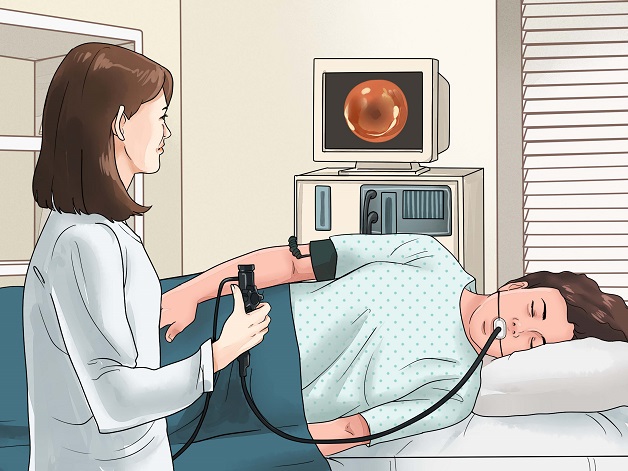
Sedation: What to Know in Advance
Another practical follow-up question relates to sedation:
-
What type of sedation will be used?
-
Will an anesthesiologist be present?
-
How long should recovery take?
Some patients receive moderate sedation, while others receive deeper sedation such as propofol. Individuals with respiratory disorders or cardiovascular disease may require special monitoring.
Clarifying sedation protocols improves preparedness and reduces anxiety.
Why Many Patients Don’t Ask
Colonoscopy discussions often feel routine. Because it is considered standard screening, patients may hesitate to ask detailed questions. Some assume that all preparations are identical or that the provider automatically accounts for personal health factors.
However, medicine is increasingly personalized. Actively participating in the decision-making process improves both safety and outcomes.
The Bigger Picture: Prevention and Early Detection
Colorectal cancer remains one of the leading causes of cancer-related deaths worldwide. The encouraging reality is that it is highly preventable through timely screening and removal of precancerous lesions.
A well-prepared colon dramatically improves detection rates. Even small polyps — which may eventually progress to malignancy — are easier to identify when bowel cleansing is optimal.
Inadequate preparation is one of the most common reasons for missed lesions.
Practical Steps Before Your Appointment
To ensure the safest and most effective experience:
-
Provide a complete medication list.
-
Disclose all chronic medical conditions.
-
Confirm dietary restrictions several days in advance.
-
Follow preparation timing precisely.
-
Arrange transportation due to sedation.
Most importantly, ask that essential question about which bowel preparation is best suited for your health profile.
Final Thoughts
A colonoscopy is not merely a procedure — it is a powerful preventive tool. But its effectiveness depends on preparation quality and individualized medical planning.
Before undergoing your colonoscopy, pause and ask:
“Which bowel preparation is safest and most appropriate for my health condition?”
That single question can improve diagnostic accuracy, reduce complications, and give you greater confidence heading into the procedure.
In preventive medicine, informed participation is not optional — it is essential.