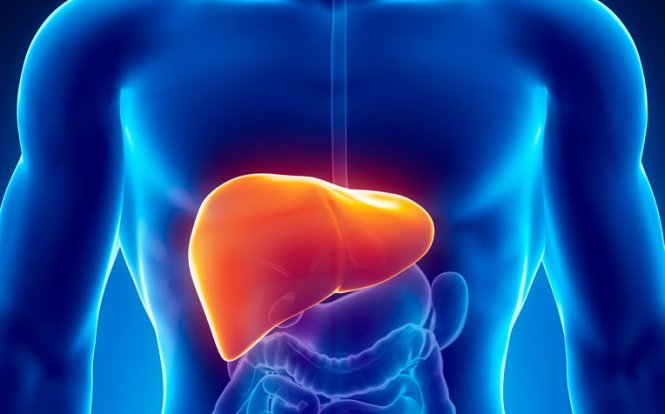
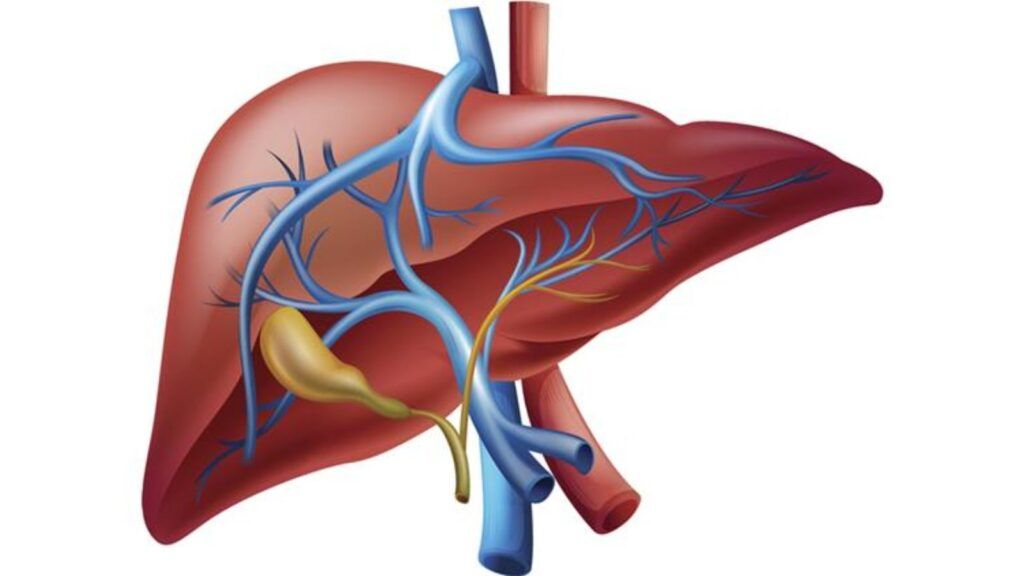
The liver is one of the most metabolically active organs in the human body. It performs over 500 essential functions — from detoxification and bile production to protein synthesis and glucose regulation. What makes liver disease particularly dangerous is its silent progression. In many cases, significant damage occurs before obvious symptoms appear.
Advanced liver disease — including cirrhosis, liver failure, or severe chronic hepatitis — often develops gradually. By the time symptoms become visible, functional liver capacity may already be substantially compromised.
Below are five major warning signals that may indicate serious liver dysfunction and require immediate medical evaluation.
1. Jaundice (Yellowing of the Skin and Eyes)
Jaundice is one of the most recognizable indicators of liver impairment.
It occurs when bilirubin — a yellow pigment formed during the breakdown of red blood cells — accumulates in the bloodstream. Under normal conditions, the liver processes bilirubin and excretes it through bile. When liver cells are damaged or bile flow is obstructed, bilirubin builds up.
Clinical indicators:
-
Yellow discoloration of the skin
-
Yellowing of the sclera (whites of the eyes)
-
Dark urine
-
Pale or clay-colored stools
Jaundice often signals significant hepatic dysfunction and may indicate cirrhosis, bile duct obstruction, advanced hepatitis, or acute liver failure.
This symptom should never be dismissed as minor.
2. Persistent Abdominal Swelling (Ascites)
Abdominal distension caused by fluid accumulation — known as ascites — is a hallmark of advanced liver disease.
When the liver becomes fibrotic (scarred), blood flow through the portal vein is restricted. This condition, called portal hypertension, causes fluid to leak into the abdominal cavity.
Associated signs:
-
Rapid abdominal enlargement
-
Feeling of heaviness or pressure
-
Shortness of breath (due to diaphragm compression)
-
Weight gain despite muscle loss
Ascites indicates severe portal hypertension and typically occurs in late-stage cirrhosis. It significantly increases the risk of infection and requires urgent medical supervision.
3. Easy Bruising and Bleeding
The liver synthesizes clotting factors essential for normal blood coagulation. When liver function declines, production of these proteins decreases, increasing bleeding risk.
Warning manifestations:
-
Frequent nosebleeds
-
Bleeding gums
-
Prolonged bleeding from minor cuts
-
Unexplained bruises
-
Blood in stool or vomit (in severe cases)
Additionally, advanced liver disease can cause esophageal varices — enlarged veins prone to rupture due to portal hypertension. Variceal bleeding is a medical emergency.
Any abnormal bleeding pattern warrants immediate clinical evaluation.
4. Chronic Fatigue and Cognitive Changes (Hepatic Encephalopathy)
Persistent fatigue is common in many conditions, but when associated with liver dysfunction, it may reflect metabolic imbalance.
In advanced stages, toxins such as ammonia accumulate in the bloodstream because the liver can no longer detoxify effectively. These toxins affect brain function, leading to hepatic encephalopathy.
Neurological symptoms may include:
-
Confusion
-
Difficulty concentrating
-
Memory problems
-
Personality changes
-
Slurred speech
-
Hand tremors (asterixis)
In severe cases, patients may develop altered consciousness or coma. Even subtle cognitive decline in someone with known liver disease should be treated seriously.
.jpg)
5. Severe Itching (Pruritus)
Chronic, unexplained itching — particularly without a rash — can signal bile flow disruption.
When bile acids accumulate in the bloodstream due to cholestasis (reduced bile flow), they deposit in the skin and trigger intense itching.
Typical features:
-
Itching worse at night
-
No visible skin lesions initially
-
Scratching marks secondary to irritation
-
Often affects palms and soles
Although it may seem like a dermatologic issue, persistent pruritus can indicate underlying hepatic dysfunction, particularly in cholestatic liver diseases.
Why These Signs Appear Late
The liver has remarkable regenerative capacity. Up to 70–80% of liver function can be compromised before symptoms become evident. This compensatory ability explains why many individuals with chronic liver disease remain asymptomatic for years.
Common risk factors for progressive liver damage include:
-
Chronic alcohol consumption
-
Viral hepatitis (B or C)
-
Non-alcoholic fatty liver disease (NAFLD)
-
Obesity and metabolic syndrome
-
Autoimmune liver disorders
-
Long-term exposure to hepatotoxic medications
Because early stages often lack symptoms, routine screening — particularly liver function tests and imaging — is essential for high-risk individuals.
When to Seek Medical Attention
Immediate medical evaluation is necessary if any of the following occur:
-
Yellowing of skin or eyes
-
Sudden abdominal swelling
-
Vomiting blood or black tarry stools
-
Severe confusion
-
Rapid worsening fatigue
Delaying assessment in advanced liver disease can result in life-threatening complications, including liver failure or sepsis.
Protecting Liver Health
Prevention remains significantly more effective than late-stage treatment. Evidence-based strategies for maintaining liver health include:
-
Limiting alcohol intake
-
Maintaining a healthy body weight
-
Managing blood sugar and cholesterol
-
Vaccination against hepatitis A and B
-
Avoiding unnecessary medications or supplements
-
Regular monitoring if at risk
The liver is resilient — but not indestructible. By the time major symptoms appear, intervention becomes more complex and outcomes less predictable.
Final Perspective
Liver disease rarely announces itself loudly in its early stages. Instead, it progresses quietly — until warning signs become unmistakable.
Jaundice, abdominal swelling, abnormal bleeding, cognitive changes, and severe itching are not minor inconveniences. They are physiological signals of compromised hepatic function.
Recognizing these signs early — and acting decisively — can significantly improve prognosis and quality of life.
Ignoring them may allow a manageable condition to become a critical one.