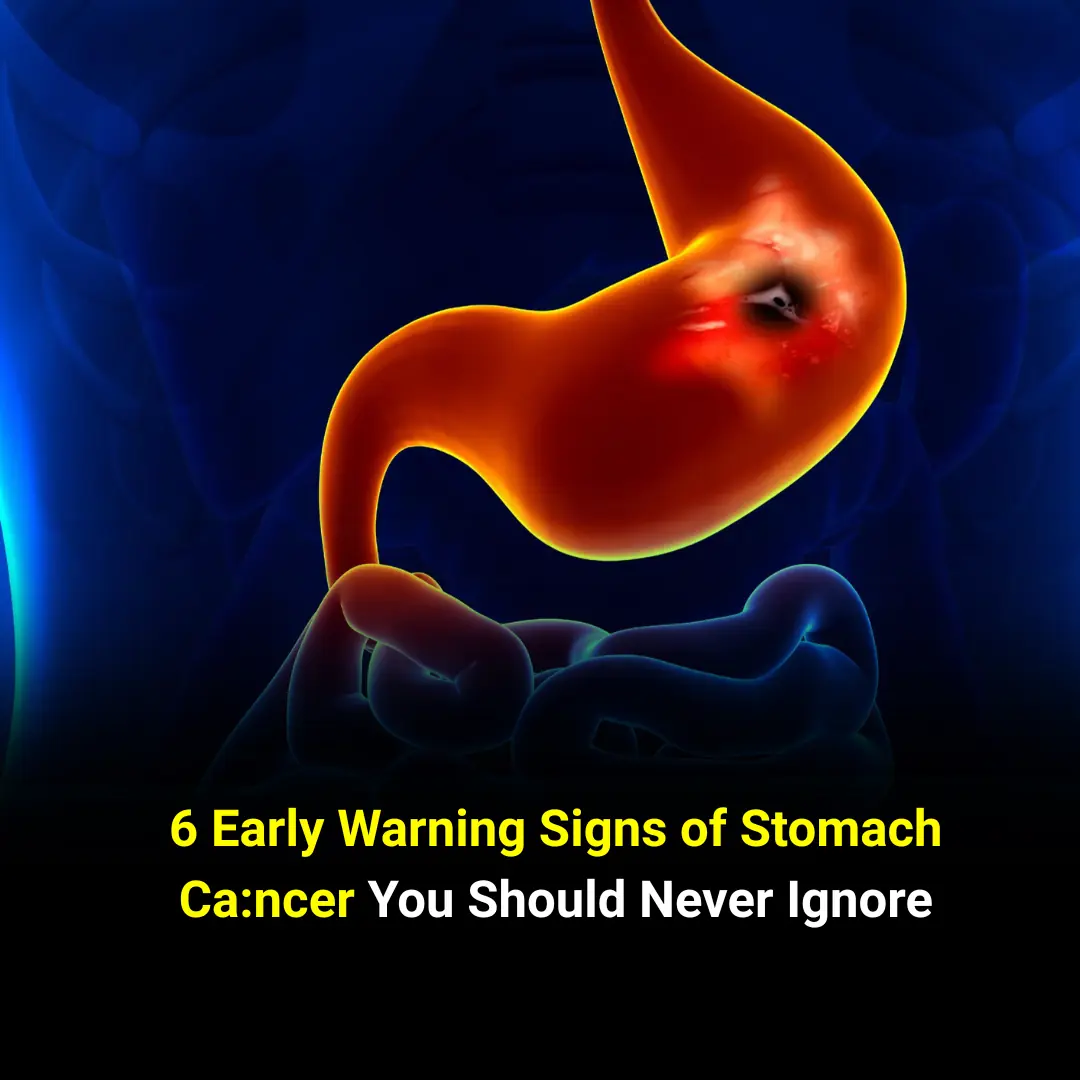
Stomach cancer, also known as gastric cancer, is one of the leading causes of cancer-related deaths worldwide. Unfortunately, it often goes undetected in its early stages, which can make treatment more challenging. Recognizing the early signs of stomach cancer is crucial for improving survival rates. While these symptoms can also be associated with other less severe conditions, it’s important to consult a healthcare professional if you notice any of them. Here are six early signs of stomach cancer that you should watch out for.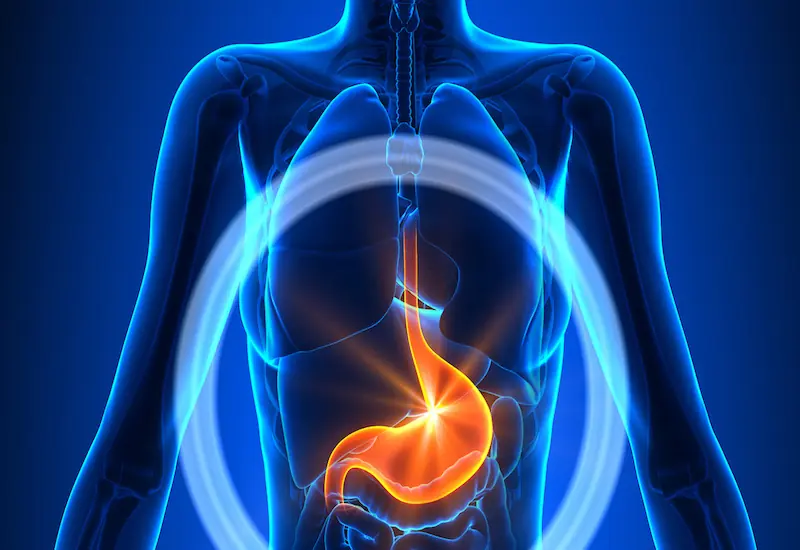
1. Persistent Stomach Pain or Discomfort
A common early symptom of stomach cancer is unexplained and persistent stomach pain or discomfort. This can manifest as a dull ache or a sharp, burning sensation. It may be constant or occur intermittently, especially after eating. If you experience frequent and persistent stomach pain that doesn’t seem to go away, it's essential to seek medical advice.
2. Unexplained Weight Loss
Unexpected weight loss without any change in diet or physical activity can be a significant warning sign. Stomach cancer may cause the body to lose its ability to absorb nutrients, leading to weight loss. If you’re losing weight without trying or don’t have an apparent reason, it’s important to get it checked out by a doctor.
3. Loss of Appetite
People with stomach cancer often experience a sudden loss of appetite. You may feel full after eating only a small amount of food, or you may lose interest in food altogether. A reduced appetite can lead to nutritional deficiencies, further weakening the body. If you notice a dramatic change in your eating habits, it’s advisable to speak with a healthcare provider.
4. Nausea and Vomiting
Nausea and vomiting, particularly when they are persistent and not linked to another illness, can be signs of stomach cancer. The tumor may cause a blockage in the stomach, leading to the feeling of fullness, nausea, or vomiting. If you’re experiencing frequent nausea or vomiting for no apparent reason, it’s important to get an evaluation.
5. Difficulty Swallowing
Difficulty swallowing, also known as dysphagia, is another symptom that may indicate stomach cancer. If a tumor develops near the area where the esophagus meets the stomach, it can make swallowing difficult or painful. This can lead to a sensation of food getting stuck or coming back up. If you find it increasingly hard to swallow solid foods, it’s crucial to consult with a doctor.
6. Fatigue or Weakness
Feeling constantly tired or weak can be an early warning sign of many different health issues, including stomach cancer. The body’s immune system can become compromised as cancer progresses, leading to fatigue. If you’re feeling unusually weak or exhausted, it’s important to speak with a healthcare professional to rule out any serious conditions.
Conclusion
While these early signs may not necessarily mean you have stomach cancer, they are worth paying attention to, especially if they persist or worsen over time. Early detection plays a significant role in successful treatment, so don’t hesitate to seek medical advice if you experience any of these symptoms. Regular check-ups and a healthy lifestyle can also contribute to early detection and prevention of stomach cancer.